Roughly 4,000 calls to US Poison Control centers each year involve Epipremnum aureum — the glossy-leaved vine sold in nearly every garden center under the label “money plant” or “money tree.” And yet, plants sharing that same common name have been harvested, chopped, and simmered across Sri Lanka, Vietnam, and Malaysia for at least 3,000 years.
The common name “money plant” is doing a lot of heavy lifting. Depending on where you are in the world, it attaches to at least three biologically unrelated plants — one of them toxic, two of them genuinely edible. Getting them confused is an easy mistake. Getting them confused in your kitchen is a more consequential one.
This is not nutritional or medical advice — consult a registered dietitian or healthcare professional before significantly changing your diet or using unfamiliar plants for therapeutic purposes.
The “Money Plant” Problem: Three Plants, Three Very Different Outcomes
Common plant names carry no botanical authority. Any nursery can label a pot “money plant,” and frequently they do — for multiple unrelated species that look nothing alike and behave nothing alike once consumed. This creates a genuine identification problem for home cooks, because the edibility of these plants ranges from “beneficial and nutritious” to “keep it away from children and pets entirely.”
In most cases, the confusion originates from a single shared visual characteristic: rounded or coin-shaped leaves. Three plants have inherited the money-plant label for this reason, and they share almost nothing else. Here is what you actually need to know about each.
Epipremnum aureum — The One Sold in Most US Garden Centers
This is the trailing vine with waxy, heart-shaped leaves found in offices, apartments, and hanging planters across North America. Typically sold as “pothos,” “devil’s ivy,” or “money plant,” Epipremnum aureum contains insoluble calcium oxalate crystals distributed through every part of the plant — roots, stems, leaves, and sap. Chewing or swallowing any portion causes immediate, intense burning and swelling of the mouth, lips, and throat. In most cases, symptoms are painful but resolve without hospitalization. In young children and small pets, ingestion in any significant quantity can trigger vomiting and airway swelling severe enough to require medical attention.
There is no documented culinary tradition involving this plant anywhere in the world. The crystals do not break down with heat or prolonged cooking. Do not eat it, and do not substitute it for any edible variety — regardless of visual similarity.
Lunaria annua — The European Silver Dollar With Edible Seeds
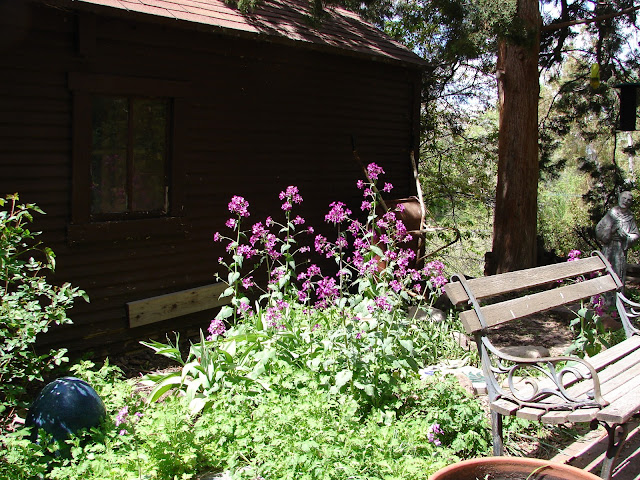
Lunaria annua is the garden ornamental with papery, translucent, coin-shaped seed pods — the “silver dollars” responsible for its alternative common names: “honesty plant,” “silver dollar plant,” and “money plant.” The seeds inside those pods are edible and carry a flavor profile that botanists and culinary historians consistently describe as similar to mild mustard or radish — a sharp front note that mellows to a nuttiness when exposed to heat.
In medieval European kitchens, Lunaria seeds served as a mustard substitute: crushed into oil dressings, scattered over roasted root vegetables, or macerated in vinegar. The young spring leaves are edible as well, with a flavor closer to watercress. Chiltern Seeds and Strictly Medicinal Seeds both carry viable Lunaria seed stock for home growers, typically priced between $3 and $6 per packet. This plant is largely absent from commercial food markets — if you want it, you grow it.
Centella asiatica — The One With a Documented 2,000-Year Culinary History
This is the substantive one. Centella asiatica is called gotu kola in Sri Lanka and India, rau má in Vietnam, pegagan in Indonesia, and “money plant” across parts of South and Southeast Asia — due to its small, rounded, fan-shaped leaves that loosely resemble coins. The leaves grow on thin, delicate stems, typically 2–4 centimeters in diameter. The plant spreads through runners in moist, humid soil and is often found growing wild near water sources across tropical regions.
Archaeological evidence and documented food traditions place Centella in regular culinary use in South Asia going back at least two millennia. High water content, mild bitterness, and aggressive growth make it a practical and affordable ingredient across multiple regional cuisines. In the United States, fresh Centella asiatica is typically available at H-Mart and 99 Ranch Market locations in major metropolitan areas. Mountain Rose Herbs and Frontier Co-op carry dried leaf and powder forms year-round for those without access to Asian grocery stores.
How to Actually Cook With Centella asiatica
Start with fresh leaves whenever the choice is available. Dried Centella — sold in powder form by brands like Organic India (approximately $12–$14 per 100g) and in bulk from Starwest Botanicals — works in applications where the plant is a background note, but it will not carry a dish on its own. The flavor is muted, the texture is gone. If you want Centella to be a real presence rather than an afterthought, fresh is the only path.
Fresh Leaves vs. Dried Powder — A Meaningful Distinction
Fresh Centella leaves have a grassy, mildly bitter quality — somewhere between flat-leaf parsley and baby spinach, with a faint earthiness that does not quite compare to anything else in a Western produce aisle. The bitterness is mild enough that most adults find it appealing rather than challenging. Blanching the leaves for 30 seconds reduces bitterness further without significantly affecting texture — a useful step when introducing the ingredient to skeptical eaters.
Dried powder blends invisibly into smoothies, grain bowls, and batters. It adds a faint herbal note without dominating. This is the form to reach for when the goal is nutritional contribution without prominent flavor — stirred into rice dishes, whisked into pancake batters, or blended into a green smoothie alongside banana and coconut milk.
One distinction worth preserving: the triterpene compounds in Centella — specifically asiaticoside and madecassoside, the ones studied most extensively in peer-reviewed literature — degrade with sustained heat. Evidence suggests the degradation is not total at low temperatures, but it is meaningful. If nutritional value is a primary consideration, fresh preparations and short cooking times are preferable. High-heat stir-frying for more than 4 minutes is probably not the optimal way to use this plant if you are trying to retain its compound profile.
Three Dishes That Put Centella at the Center
Sri Lankan gotu kola sambol is the most approachable starting point. Finely chop 2 cups of fresh Centella leaves. Combine with 1 cup finely grated fresh coconut, one small red onion diced fine, one or two green chilies chopped, the juice of one lime, and salt to taste. No heat required. The result is a bright, textured condiment that cuts through rich curries and dal. Most Sinhalese home cooks adjust the coconut-to-leaf ratio by family tradition — 2:1 (leaf to coconut by volume) is a reasonable baseline for a first attempt.
Vietnamese nước rau má is a cold-pressed green drink: raw Centella leaves blended with water, a small amount of sugar, and lime juice, then strained. Street vendors across Ho Chi Minh City sell it specifically as a cooling drink during hot months. The flavor is far milder than most first-timers expect — closer to a mild green juice than anything intensely herbaceous.
Indonesian sayur pegagan is a quick stir-fry: Centella leaves tossed in hot oil with sliced garlic, cubed tempeh, and sambal. Cooking time is under 4 minutes total. Overcooking is the most common failure point — past 5 minutes at high heat, the leaves turn gray and limp, losing both texture and most of their flavor.
Nutritional Snapshot: What These Plants Actually Deliver
Per 100g fresh weight, drawing from USDA nutritional data and peer-reviewed analysis of Centella asiatica:
| Plant | Edible Parts | Vitamin C (mg) | Iron (mg) | Notable Compounds | Culinary Role |
|---|---|---|---|---|---|
| Centella asiatica | Leaves, stems | ~48 | ~3.1 | Asiaticoside, madecassoside, kaempferol, beta-carotene | Primary ingredient — salads, drinks, stir-fries |
| Lunaria annua | Young leaves, seeds | ~22 (estimated) | ~1.8 (estimated) | Glucosinolates (same class as broccoli and arugula) | Seed seasoning, occasional fresh green |
| Epipremnum aureum | None — do not eat | — | — | Calcium oxalate crystals (toxic to humans and pets) | No culinary use |
Centella asiatica’s iron content — approximately 3.1mg per 100g fresh weight — is comparable to spinach, which makes it a useful iron source in plant-forward diets when consumed with reasonable regularity. It also provides measurable amounts of Vitamins B1 and B2, and its beta-carotene content is significant relative to its small leaf size. Nutritional data for Lunaria is substantially less documented in Western food databases; the figures above are extrapolated from related Brassicaceae family members and should be treated as directional estimates rather than precise values.
The glucosinolates in Lunaria seeds — the compounds responsible for the mustard-like sharpness — are the same broad class found in broccoli, cabbage, radishes, and arugula. These are generally considered beneficial in reasonable dietary quantities, though evidence on Lunaria specifically is thinner than for its better-studied relatives.
This is not nutritional or medical advice — consult a registered dietitian or healthcare professional before using any plant for specific nutritional or therapeutic goals.
The Single Biggest Mistake Home Cooks Make With Money Plant
They purchase a plant based on the common name alone. In most US garden centers and online plant marketplaces, “money plant” means Epipremnum aureum — which is toxic. If you are sourcing Centella asiatica for food, buy it from an established food retailer (H-Mart, 99 Ranch, Mountain Rose Herbs) or grow it from verified seed stock with clear species identification. A common name is not a safety guarantee. Under no circumstances should you harvest an unverified plant for culinary use — regardless of what the tag says.
When Centella asiatica Is Not the Right Ingredient
Centella has a specific, particular flavor profile that works brilliantly in some contexts and gets completely lost — or actively clashes — in others. Being clear about what role you need it to fill matters before you commit to using it.
- For neutral bitter greens in Western salads: Baby spinach or watercress delivers similar bitterness with a cleaner, more familiar flavor. Centella’s earthiness can feel mismatched alongside olive oil and Dijon vinaigrette.
- As the base of a green juice: Cucumber or celery carries more liquid volume and a far cleaner flavor. Centella works better as 20–30% of a blend rather than the dominant base ingredient.
- In heavy spice profiles — curries with many aromatics: Moringa leaves are more heat-stable and assertive enough to hold their presence. Centella typically disappears into complex spice blends entirely.
- For seed-based seasoning: Lunaria seeds are a legitimate option but brown mustard seeds are cheaper, universally available, and produce more predictable results. Reserve Lunaria seeds for surplus from a home grow, not as a primary pantry staple you hunt down.
- For Sri Lankan sambols, Vietnamese cold drinks, and Indonesian stir-fries specifically: Centella is the correct ingredient. No substitute replicates the particular combination of texture, mild bitterness, and earthy base note these dishes are built around.
The honest assessment: Centella asiatica is a genuine culinary ingredient with real nutritional value and a long documented history across multiple food cultures. It is not a wellness trend dressed in green packaging, and it is not interchangeable with the toxic Epipremnum on your windowsill. Treat it as you would any unfamiliar green — source it correctly, start with the simplest preparations, and build from there.
Quick Reference Summary
| Factor | Centella asiatica | Lunaria annua | Epipremnum aureum |
|---|---|---|---|
| Safe to eat? | Yes | Seeds and young leaves: yes | No — toxic, do not consume |
| Best culinary use | Sambols, cold drinks, stir-fries | Seed seasoning, fresh salad greens | None |
| Where to source | H-Mart, 99 Ranch Market, Mountain Rose Herbs, Frontier Co-op | Chiltern Seeds, Strictly Medicinal Seeds | Available everywhere — do not cook with it |
| Flavor profile | Mild, earthy, slightly bitter | Sharp upfront, mustard-like, mellows with heat | N/A |
| Cooking difficulty | Low — very forgiving raw, quick to overcook | Low — treat seeds like brown mustard | N/A |