It’s time to change how we think about spiders. They aren’t just creepy crawlies or eight-legged nuisances. They are, in fact, incredibly effective, free, and chemical-free pest control agents. If you’re looking to reduce reliance on expensive and potentially harmful pesticides in your garden and home, welcoming spiders is one of the smartest, most impactful shifts you can make. These often-misunderstood arachnids are relentless predators, working tirelessly to keep populations of common garden and household pests in check.
Embrace the Eight-Legged: Spiders as Your Top Garden Defenders
Making peace with spiders, even actively encouraging them, is a powerful strategy for any gardener or homeowner committed to natural pest control. You are essentially outsourcing pest management to an army of efficient, self-sustaining predators. These creatures don’t require payment, don’t need complicated equipment, and perform their duties 24/7 without fail. Their predatory nature means fewer aphids on your roses, fewer mosquitoes around your patio, and fewer flies buzzing in your kitchen.
It sounds simple, but the shift in mindset is crucial. Instead of reacting with a spray bottle or a shoe, consider the ecological benefit. A healthy garden ecosystem thrives on a balance of predators and prey, and spiders are a foundational component of that balance. They occupy a critical niche, consuming a vast array of insects that would otherwise decimate your crops or become an indoor nuisance.
The Unseen Workforce
Spiders are often out of sight, working in the background. Many species are nocturnal, building their intricate webs under the cover of darkness and dismantling them before dawn. Others are active hunters, patrolling plants and garden beds for unsuspecting prey. This constant, unobtrusive activity makes them incredibly valuable. You might not see them, but the absence of pest damage is often their silent testament. Consider a single orb weaver building a large web. That web can intercept dozens of flying insects, from moths to flies, in a single night. This is passive, yet highly effective, pest management.
Dispelling the Fear Factor
Much of our aversion to spiders stems from cultural conditioning and a lack of understanding. While a few species are medically significant, the vast majority of spiders are harmless to humans and incredibly beneficial. Understanding which spiders pose a risk (and how rare encounters truly are) can help alleviate irrational fears. Most spiders prefer to avoid human interaction and will only bite if directly threatened or accidentally trapped against skin. Focusing on their ecological role rather than sensationalized fears allows us to appreciate their value.
Key Spider Species You Want in Your Orbit
Not all spiders are created equal in the pest control arena, but many common garden species are exceptionally good at their jobs. Identifying these helpful allies can reinforce your decision to welcome them. Learning their habits helps you understand where and how they operate, further integrating them into your natural pest management strategy.
- Orb Weavers: Masters of the Sticky Trap
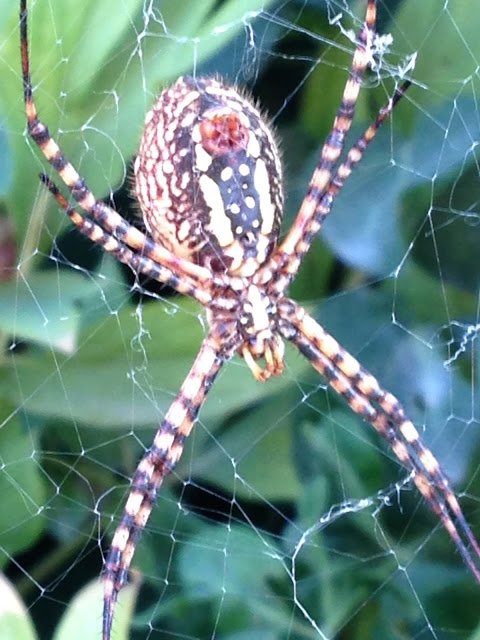
These are the iconic web-builders, creating large, intricate, circular webs often seen strung between plants or across pathways. Species like the Common Garden Spider (Araneus diadematus) or the Marbled Orb Weaver (Araneus marmoreus) are prolific. They specialize in catching flying insects: mosquitoes, flies, moths, and even beetles. Their webs are incredibly strong and sticky, acting as highly efficient, passive traps. You’ll often find them rebuilding their webs daily, ensuring maximum effectiveness against new waves of pests.
- Wolf Spiders: Relentless Ground Hunters
Unlike orb weavers, wolf spiders (family Lycosidae) do not build webs for catching prey. Instead, they are active, agile hunters that stalk and pounce on their victims. They have excellent eyesight and move quickly through leaf litter, low-lying vegetation, and across open ground. Wolf spiders are fantastic for controlling ground-dwelling pests like crickets, grasshoppers, beetles, and even small caterpillars. You’ll often spot them scurrying away when you disturb garden debris. Their presence is a strong indicator of a healthy, active predatory population in your garden.
- Jumping Spiders: Stealthy Stalkers with Superb Vision
Jumping spiders (family Salticidae) are small, often fuzzy, and possess exceptionally large eyes that give them excellent binocular vision. They are incredibly curious and often seem to “watch” you. These spiders don’t build webs to catch prey; instead, they stalk their victims, then leap on them with incredible precision. They are active during the day and are particularly good at catching small insects like gnats, small flies, aphids, and even other spiders. Their compact size allows them to navigate foliage effectively, targeting pests that might be hidden from other predators.
- Crab Spiders: Masters of Ambush
Crab spiders (family Thomisidae) are known for their ability to change color to match their surroundings, often blending seamlessly with flowers or leaves. They position themselves on blossoms, waiting for pollinating insects like bees and butterflies, but also predatory on many pest insects that visit flowers, such as certain beetles and flies. Their unique side-to-side movement, reminiscent of a crab, gives them their name. These spiders are a testament to the diverse hunting strategies employed by arachnids in your garden.
The Silent Killers: How Spiders Tackle Specific Garden Pests
Spiders are generalist predators, meaning they aren’t picky about their meals as long as they fit. This broad diet makes them incredibly versatile for pest control. While they might occasionally catch a beneficial insect, their overall impact on pest populations is overwhelmingly positive. Consider the sheer number of pests they can eliminate.
For instance, a single web can capture dozens of mosquitoes in a single evening, drastically reducing biting insect populations around your home. Ground-dwelling spiders, like wolf spiders, are constantly patrolling, consuming hundreds of small slugs, beetle larvae, and crickets throughout the season. The cumulative effect of these tiny predators working across your garden beds is significant.
Generalist Predators vs. Specialist Hunters
Most beneficial garden spiders are generalist predators. This means they will eat whatever insect they can catch, rather than specializing in one type of prey. This adaptability is a huge advantage. If one pest population declines, they simply shift their focus to another. While ladybugs specialize in aphids, and parasitic wasps target specific larvae, spiders provide a broad spectrum of pest control. This resilience makes them a stable component of a balanced ecosystem, less prone to booms and busts in their food source.
Calculating the Impact
While an exact “impact” number is hard to pin down for individual spiders, research consistently shows that spider populations significantly reduce insect herbivory in agricultural and garden settings. One study on cotton fields, for example, found that spider predation alone could account for a significant percentage of bollworm control. In your home garden, this translates to fewer holes in your lettuce, less damage to your fruit trees, and healthier, more robust plants.
| Spider Type | Primary Hunting Method | Key Pests Controlled | Preferred Habitat |
|---|---|---|---|
| Orb Weavers | Sticky Web Traps | Mosquitoes, Flies, Moths, Midges, Aphids | Between plants, eaves, open spaces |
| Wolf Spiders | Active Ground Hunting | Crickets, Grasshoppers, Beetles, Caterpillars, Small Slugs | Leaf litter, low vegetation, soil surface |
| Jumping Spiders | Stalking & Pouncing | Gnats, Small Flies, Aphids, Thrips, Mites | Foliage, sunny surfaces, indoors |
| Crab Spiders | Ambush from Plants/Flowers | Bees, Flies, Caterpillars (those visiting flowers) | Flowers, leaves, plant stems |
| Funnel Web Spiders | Funnel-shaped Ground Webs | Ground beetles, Ants, Crickets, Slugs | Dense ground cover, tall grass, foundations |
Creating a Spider-Friendly Habitat (Without Inviting Trouble)
Attracting spiders doesn’t mean letting your home become a jungle or tolerating dangerous species. It’s about providing the right conditions in your outdoor spaces and understanding how to manage their presence indoors. The goal is to create a welcoming environment for beneficial species while minimizing encounters with the few potentially harmful ones. This involves thoughtful planting and a mindful approach to garden maintenance.
Think about providing shelter, food sources (other insects), and avoiding anything that would harm them. A diverse garden with varying plant heights and textures naturally creates more niches for different spider species. A well-placed rock pile or a section of undisturbed mulch can become a spider haven.
Plant Choices for Spider Shelter
Spiders need places to hide, hunt, and build webs. Planting a variety of native plants, shrubs, and perennial flowers provides structural complexity. Tall grasses, dense ground covers like clover or thyme, and shrubs with intricate branch structures offer excellent shelter. Consider plants with fine foliage that orb weavers can easily string webs between. Allow some areas of your garden to be a little wilder; perfectly manicured lawns and sparse plantings offer little appeal to most spiders. Even a small patch of native wildflowers can significantly increase the biodiversity of your garden, attracting both prey insects and their spider predators.
Water and Debris for Optimal Living
While spiders don’t drink water in the same way mammals do, they appreciate humidity and the microclimates created by damp areas. Leaving some leaf litter or mulch in garden beds provides moisture retention and habitat for many ground-dwelling spiders and the insects they feed on. Overly tidy gardens that remove all natural debris often remove valuable spider habitats. A small, shallow bird bath or even just consistent irrigation can help maintain the humidity levels that many spiders prefer. Just be mindful of stagnant water, which can become a mosquito breeding ground – though spiders themselves help control mosquito larvae.
Avoiding Harmful Chemical Sprays
This is arguably the most crucial step. Even “organic” pesticides can harm beneficial spiders. Broad-spectrum insecticides kill indiscriminately, wiping out both pests and predators. When you spray for aphids, you also kill the spiders that would have eaten those aphids, creating a vacuum that new pests will quickly fill, often worse than before. This “pesticide treadmill” is expensive and counterproductive. Instead, embrace Integrated Pest Management (IPM) techniques: monitor pest populations, use targeted biological controls, and tolerate a certain level of pest damage. Hand-picking larger pests, using insecticidal soaps for severe outbreaks (applied directly to pests), or releasing beneficial insects are far better options that preserve your spider population.
Addressing Common Concerns About Spiders in Your Home and Garden
It’s natural to have questions, especially when dealing with creatures that carry a long history of fear. Understanding the facts about spider behavior, identification, and risk is key to peaceful coexistence and their benefits.
Are All Spiders Dangerous?
No, absolutely not. Out of over 45,000 known spider species worldwide, only a tiny fraction are considered medically significant to humans. In North America, the primary concerns are the black widow spiders (genus Latrodectus) and brown recluse spiders (genus Loxosceles). Most spider bites are less painful than a bee sting and cause only minor local irritation. A good rule of thumb: if you don’t know what it is, observe from a distance, but don’t assume it’s dangerous. The vast majority of spiders you encounter are harmless and beneficial.
What About Black Widows and Brown Recluses?
These are the two species that warrant caution. Black widows are recognizable by their shiny black bodies and the red hourglass marking on their underside. They prefer dark, secluded, undisturbed areas like woodpiles, sheds, and cluttered garages. Brown recluses are light to medium brown, with a violin-shaped marking on their cephalothorax (front body section), though this can be faint. They are also reclusive, preferring dark, dry, undisturbed places like attics, closets, and storage boxes. Encounters are rare, and bites usually occur when a spider is accidentally pressed against skin, such as putting on clothing where it has hidden. The best prevention is simple: shake out shoes and clothing stored in undisturbed areas, wear gloves when gardening or rummaging in storage, and keep cluttered areas tidy.
How Do I Coexist Peacefully Indoors?
For spiders that wander indoors, a simple catch-and-release method is often the kindest and most effective. Use a cup and a piece of paper to gently trap the spider and release it outside, away from your immediate living space. Most indoor spiders, like the common house spider (Parasteatoda tepidariorum), are excellent at controlling pests like flies, mosquitoes, and silverfish. If their webs become aesthetically undesirable, simply clean them with a duster. Keeping clutter to a minimum and sealing cracks around windows and doors can reduce the number of spiders that enter your home, allowing you to control where you “welcome” them.
Why Chemical Pest Control Costs More Than Just Money
Relying on chemical pesticides in your garden or home is a short-sighted approach. While they offer immediate results, they also carry significant hidden costs: destroying beneficial insects, harming soil health, potentially contaminating local water sources, and posing risks to pets and children. Investing in spider-friendly practices, on the other hand, yields long-term, sustainable benefits for both your garden and the wider environment.
Beyond Pest Control: Spiders as Ecosystem Engineers
The role of spiders extends far beyond simply eating pests. They are integral components of the entire food web, contributing to ecosystem stability and acting as environmental indicators. Their presence signifies a healthy, functioning ecosystem where natural processes are at play. They are a keystone group, meaning their removal would have disproportionately large effects on the environment.
Consider a garden devoid of spiders. Insect populations would likely explode, leading to widespread plant damage, reduced yields, and an increased reliance on human intervention. Spiders, through their sheer numbers and diverse hunting strategies, help maintain the delicate balance that allows your plants to thrive naturally. They prevent any single insect species from becoming dominant, fostering biodiversity.
Indicators of Garden Health
A garden with a healthy spider population is often a healthy garden overall. Spiders need a diverse array of insects to prey upon, which means a variety of plants and habitats are present. Their sensitivity to pesticides means their presence indicates an environment free from harsh chemicals. If you see many different types of spiders – orb weavers, wolf spiders, jumping spiders – it’s a good sign that your garden’s ecosystem is robust and resilient, capable of managing its own challenges with minimal human intervention.
The Web of Life: Spiders in the Food Chain
Spiders themselves are also a food source for other creatures, including birds, lizards, and some small mammals. This makes them a vital link in the food chain, transferring energy from insects to higher trophic levels. Their intricate webs, beyond being insect traps, are engineering marvels. They modify their environment, creating microhabitats and affecting the movement of other small creatures. Understanding this broader ecological impact deepens our appreciation for these often-overlooked creatures, solidifying their status not just as pest controllers, but as essential threads in the vast, interconnected tapestry of life.