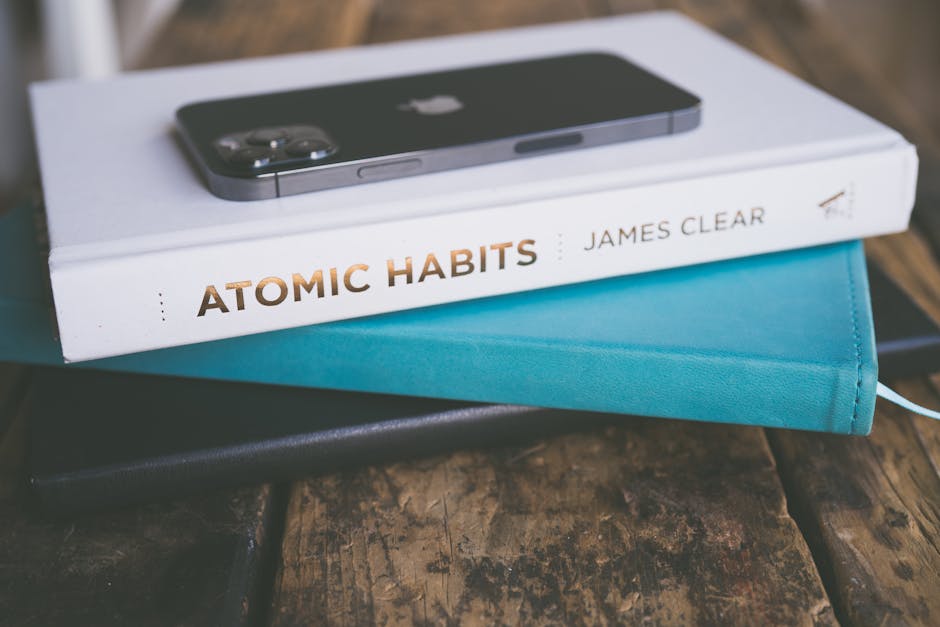
I bought a Moleskine in late 2021. It was the classic black one, hardbound, with that satisfying little elastic strap. It cost me $28 plus tax at a bookstore in Chicago while I was waiting for a train. I had this vision of myself becoming one of those deep, contemplative people who pens profound insights while sipping an espresso. Instead, that notebook sat on my nightstand for exactly 14 months without a single mark in it. I was terrified of ruining the first page with my mediocre handwriting and my even more mediocre thoughts. I felt like I needed to have something important to say before I could justify using the ‘good’ paper.
It was a total failure of intent. I realized later that the more expensive the notebook, the less likely I was to actually use it. The pressure to be profound is the fastest way to kill a habit. Eventually, I grabbed a Bic pen and wrote ‘This is a test’ in giant, ugly letters on the first page just to break the spell. It worked. But it took me over a year to get there.
The gratitude trap is making you bored
I know people will disagree with me on this, and I might be wrong, but I think the standard advice to keep a ‘gratitude journal’ is mostly performative nonsense. We’ve all seen the prompts: Write down three things you’re grateful for today. It sounds nice in a therapy session, but in practice, it becomes a grocery list of the obvious. I’m grateful for my coffee. I’m grateful for my dog. I’m grateful I didn’t get fired. After four days, your brain goes on autopilot. You aren’t actually feeling gratitude; you’re just filling out a form for a boss that doesn’t exist.
What I mean is—actually, let me put it differently. If you aren’t writing down the stuff that makes you uncomfortable, you aren’t really journaling. You’re just PR-ing your own life to yourself. The best journal habit I ever started was the ‘venting’ session. I spend five minutes writing down exactly who annoyed me and why I’m being a petty idiot about it. It’s cathartic. It’s real. It’s much more useful than pretending I’m 100% thankful for everything 100% of the time. Sometimes life sucks. Write that down too.
Real journaling is a mental junk drawer, not a museum exhibit.
Digital journaling is where thoughts go to die
I actively tell my friends to avoid apps like Day One or Notion for personal reflection. I know, I know—it’s 2024 and we’re supposed to ‘leverage’ (ugh, I hate that word) technology. But digital journaling is a graveyard. I tested three different apps over a six-month period in 2022. I tracked my entry frequency and found that my ‘engagement’ dropped by 60% whenever I used my phone. There’s something about the glow of the screen that triggers my ‘work brain.’ I start editing my sentences. I worry about tags and folders. I spend twenty minutes picking the right emoji instead of actually thinking.
I refuse to use digital tools for this. It feels like a chore. If I’m on my phone, I’m three taps away from checking an email or looking at a depressing headline. An analog notebook has no notifications. It has no ‘search’ function, which is actually a feature, not a bug. You aren’t supposed to be building a database of your life. You’re just trying to get through the day without losing your mind.
Paper doesn’t update. It just sits there.
The 14-week experiment with ‘Morning Pages’
Everyone raves about Julia Cameron’s The Artist’s Way and the concept of Morning Pages—three pages of longhand, stream-of-consciousness writing first thing in the morning. I tried it. I really did. I tracked my mood and anxiety levels for 14 weeks using a simple 1-10 scale.
- Weeks 1-3: Felt great, very productive.
- Weeks 4-8: Started feeling massive guilt if I woke up late and couldn’t finish all three pages.
- Weeks 9-14: My anxiety actually spiked on 9 out of 10 Tuesdays because I had early meetings and felt ‘behind’ before the day even started.
I’ve come to the conclusion that three pages is way too much for someone with a real job and a commute. It’s an elitist habit for people who have two hours of quiet time before they have to be ‘on.’ If you can only do three sentences, do three sentences. Don’t let some book tell you that you’re failing because you didn’t write a manifesto before your first cup of coffee. I’ve found that writing at 9:00 PM works way better for me than 6:00 AM anyway. My brain is too foggy in the morning; at night, it’s buzzing with all the crap that happened during the day. That’s when I need to dump it out.
One page is plenty. Seriously.
My unfair bias against fancy pens
This is going to sound stupid, but I hate fountain pens. I know the ‘stationery community’ loves them, but they are incredibly high-maintenance. I tried using a Lamy Safari for a month because a guy on a forum said it would ‘transform’ my writing experience. It didn’t. It leaked in my bag, the ink took forever to dry, and I felt like a Victorian orphan trying to do my homework.
I use a Pilot G2 07. They cost about two dollars. If I lose one, I don’t care. If the dog chews it, I don’t care. This is the secret to a lasting habit: remove the preciousness. When you make the tools special, you make the act of writing feel like a performance. You want it to feel like brushing your teeth. Necessary, slightly boring, but you feel gross if you don’t do it.
Cheap pens win every time.
The part where I admit I don’t have it all figured out
I still go weeks without writing sometimes. I’ll get busy, or I’ll get depressed, and the last thing I want to do is look at a blank page and acknowledge how I’m feeling. I used to beat myself up about that. I thought a ‘habit’ had to be an unbroken chain or it didn’t count. I was completely wrong about that. The journal is a tool, not a master. It’s like emotional scar tissue—it builds up where you need it most, but it doesn’t have to cover your whole body.
Actually, that’s a bit of a dramatic comparison. It’s more like a gym membership. Just because you missed a week doesn’t mean you should cancel the whole thing and never go back. You just show up on Monday and pick up the heavy thing again.
I wonder if I’ll still be doing this in ten years. Sometimes I think about burning all my old journals so no one ever has to read how whiny I was in my late twenties. Is it better to leave a record, or is the value entirely in the moment of writing? I honestly don’t know the answer to that. I guess I’ll just keep buying the cheap notebooks and see what happens.
Just start with one ugly sentence tonight. That’s the whole trick.