Blue oat grass is one of those terms that generates more search confusion than useful buying information. Part ornamental garden plant, part superfood ingredient, part herbal preparation — the name covers several distinct things, and buying the wrong one is easy. Here’s the clear version.
What Blue Oat Grass Is — and the Edible Version That Matters
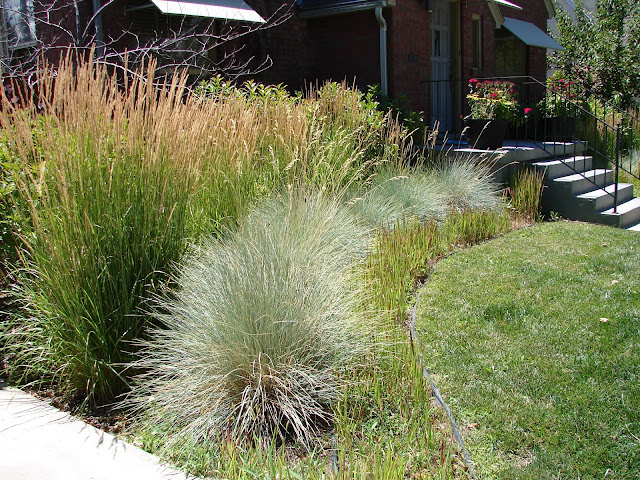
Helictotrichon sempervirens is the plant sold in garden centers as blue oat grass. Its silvery-blue blades look striking in borders alongside lavender or ornamental alliums. That’s all it does. The texture is tough, the flavor is unpleasant, and there is no culinary use for it. If you searched blue oat grass hoping to find a food ingredient, this ornamental plant is not what you want.
The edible oat grass comes from Avena sativa — the same species that eventually produces rolled oats and oat groats. The difference is timing. Harvested as young shoots (7 to 10 days after germination for microgreens, 12 to 18 days for juicing grass), these plants haven’t yet converted their stored energy into grain. The result is a chlorophyll-dense, mineral-rich shoot that bears almost no nutritional resemblance to a bowl of oatmeal.
Why Young Oat Grass Is Nutritionally Different from Oats
Oats as a grain are known for beta-glucan, soluble fiber, and cholesterol management. Young oat grass is a different nutritional proposition. At the shoot stage, the plant is dense in chlorophyll, silica, magnesium, iron, zinc, and vitamins C and K. A 3-gram serving of oat grass powder delivers about 15 calories, 1 gram of protein, and meaningful levels of iron and vitamin K. Not transformative alone, but as one of several greens in a daily smoothie it contributes consistently.
The silica content is worth noting specifically. Silica is a trace mineral that supports connective tissue and bone density, and it’s one of the harder minerals to get in useful amounts from typical Western diets. Oat straw — the mature stalk rather than the young shoot — has been used in herbal preparations specifically for its silica concentration for centuries.
How Blue Enters the Food Conversation
Two separate things cause confusion here. First, some seed retailers list Helictotrichon sempervirens (ornamental, inedible) alongside Avena sativa (edible oat grass seed) in search results for blue oat grass. The packaging can look nearly identical. Always verify the Latin name before buying seeds for food use.
Second, young oat grass shoots can take on a blue-green cast under specific growing conditions — cooler temperatures, indirect light, early germination stages. Some microgreen growers describe freshly cut oat grass as having a distinct bluish tint. This is normal pigmentation variation. It doesn’t indicate a separate variety and has no bearing on flavor or nutrition.
Oat Grass vs. Oat Straw: Two Different Products
Oat straw is the dried upper stalk of the mature Avena sativa plant, cut just before grain heads form. It’s not interchangeable with young oat grass. Oat straw is lower in chlorophyll, higher in silica and calcium, and used almost exclusively for tea and herbal infusions — not smoothies or cooking. It has a mild, slightly sweet, hay-like flavor that works well in herbal blends. Young oat grass (harvested early) is the product for juicing and smoothies. Knowing which one you need before you buy prevents a purchase that sits unused in your pantry for six months.
Four Forms of Oat Grass — Compared Directly
The form you buy determines the use case. Getting this wrong is the most common source of buyer regret with oat grass. Each option has a legitimate application; none is universally best.
| Form | Best Use | Shelf Life | Approx. Price | Flavor Profile | Effort Required |
|---|---|---|---|---|---|
| Freeze-dried powder | Smoothies, baked goods, greens blends | 18–24 months | $12–$20 / 8oz | Mild, grassy, neutral | None — scoop and blend |
| Fresh microgreen tray | Cold-press juicing, salads, garnish | 5–7 days refrigerated | $6–$12 / tray | Bright, fresh, vegetal | Low — buy and cut |
| Sprouting seeds (grow yourself) | Home juicing, continuous supply | 1–2 years dry storage | $8–$15 / lb | Bright or mild depending on harvest timing | Medium — 7 to 18 days to harvest |
| Dried oat straw | Tea, herbal infusions, mineral tonics | 1–3 years | $10–$18 / 8oz | Mild, sweet, slightly hay-like | None — steep and drink |
Powder is the practical default for most cooks. It keeps for nearly two years, mixes clean without a high-powered blender, and the flavor is neutral enough that a teaspoon disappears behind banana or almond milk. Fresh microgreens give you peak chlorophyll and the most vibrant flavor, but the 5–7 day window means you need to plan around delivery or grow your own. Seeds only make economic sense if you’re juicing at least three to four times per week — otherwise the setup cost and ongoing grow cycles aren’t worth it.
Dried oat straw is its own category. If you’re making a mineral-rich herbal tea, it’s exactly right. If you want a greens booster for smoothies, it’s the wrong product entirely.
The Best Oat Grass Powders to Actually Buy
Anthony’s Organic Oat Grass Powder is the right default for most buyers. Around $13 for 8oz, USDA certified organic, and batch-tested for gluten contamination — which matters because oat grass is naturally gluten-free, but shared processing equipment with wheat or barley is common enough in the industry to pose a real risk. Anthony’s publishes their testing results, and the flavor is mild enough that a teaspoon blends invisibly into any green smoothie. For someone new to oat grass or using it a few times per week, this is the uncomplicated choice.
When Pines International Is Worth Paying More
Pines International has been producing oat grass powder since the 1970s — longer than most competitors have existed. Their powder runs about $15 for 7oz, making it slightly more expensive per ounce than Anthony’s. The meaningful difference is processing: Pines uses low-temperature methods designed to preserve live enzymes that higher-heat drying destroys. They also publish detailed sourcing documentation, which matters for commercial buyers or anyone who wants full supply chain transparency.
For daily smoothie use, the practical taste difference between Pines and Anthony’s is small. For buyers who specifically care about enzyme activity or maximum traceability, Pines earns the premium. For everyone else, Anthony’s is fine.
Terrasoul Superfoods: The Budget Option That Works
Terrasoul Superfoods Oat Grass Powder runs about $12 for 8oz — the lowest price among credible organic options currently available. It’s USDA certified organic and works well for casual smoothie use. The trade-off is documentation depth: Terrasoul doesn’t publish the same level of third-party testing as Anthony’s. For someone using oat grass occasionally and without gluten sensitivity, it’s a reasonable buy. For daily use or for households managing gluten issues, the extra dollar for Anthony’s is worth it without hesitation.
What to Skip: Multi-Ingredient Greens Blends
Amazing Grass Green Superfood ($25–$30 per canister) is a legitimate product, but it’s a greens blend — oat grass is one of 8 to 12 ingredients including spirulina, chlorella, wheatgrass, and various adaptogens. If your goal is oat grass specifically, you have no clear picture of how much you’re actually getting per serving. Single-ingredient powder gives you a consistent, controlled dose. Multi-ingredient blends have their place for people who want a broad-spectrum greens supplement, but don’t confuse them with targeted oat grass nutrition.
Three Mistakes That Cost Cooks Money
- Buying ornamental seeds for food growing. Search blue oat grass seeds on Amazon or Etsy and Helictotrichon sempervirens will appear alongside Avena sativa. The packaging often doesn’t make the distinction obvious. Before buying any seeds to grow edible oat grass, confirm the Latin name on the packet says Avena sativa. True Leaf Market clearly labels their sprouting oat seeds and sells a 1lb bag for around $8 — one of the cleaner options for food-grade seed purchases specifically.
- Ignoring gluten testing on powder. The plant contains no gluten. But gluten-free on a label doesn’t guarantee safe processing conditions. If you’re celiac or have significant gluten sensitivity, only buy from brands that publish third-party testing for cross-contamination. Anthony’s and Pines International both do this. Most generic or store-brand green powders don’t — and they won’t tell you that on the label.
- Expecting a strong, distinctive flavor. Oat grass powder is subtle to the point of being nearly undetectable in most applications. A teaspoon in a banana smoothie vanishes. It won’t give your baked goods a grassy taste or a vivid green color. If you want a food ingredient with real flavor impact — something that changes the character of a dish — look at matcha, moringa, or spirulina instead. Oat grass is a nutritional addition, not a flavor feature. Buying it expecting the latter leads to disappointment and a neglected jar in the back of your pantry.
Growing Oat Grass at Home: The Practical Q&A
What seeds do you actually need for edible oat grass?
Unhulled Avena sativa oat seeds, specifically labeled for sprouting or microgreen use. Regular rolled oats and steel-cut oats have been processed and won’t germinate — don’t try it. True Leaf Market sells a 1lb bag of sprouting oat seeds for about $8, enough for several growing trays. Mountain Rose Herbs carries certified organic oat seeds at around $10 per lb, which works well if you want to also let some plants mature for oat straw tea production alongside your microgreens harvest.
How long before you can harvest?
Oat microgreens reach cutting height (2–3 inches) in 7–10 days from seeding. Juicing grass — taller shoots for cold-press use — is ready at 12–18 days when blades hit 6–8 inches. Cut before the central shoot (the jointing stage) appears. Once it emerges, chlorophyll content drops noticeably and the grass becomes less useful for juicing. For oat straw, you’re looking at 60–90 days, harvesting just before grain heads form and drying in small bundles at room temperature for one to two weeks.
Does growing your own actually save money?
For daily juicing: yes, significantly. A 1lb bag of seeds ($8–$10) yields multiple growing trays. Buying fresh trays from a specialty grocer runs $6–$12 per tray, each lasting only 5–7 days. Growing your own, the ongoing cost drops to roughly $1–$2 per tray in seeds. Upfront setup — two growing trays ($3–$5 each) and a bag of coconut coir ($8–$12) — runs under $30 total, with break-even around month two or three depending on how often you juice.
For occasional use — a smoothie two or three times a week — powder is more practical. A bag of Anthony’s at $13 lasts a casual user six to eight weeks with zero growing effort and no trays to manage.
Start with a bag of Anthony’s Organic Oat Grass Powder and use it daily for three weeks. If you’re still reaching for it at the end of that period, order a pound of True Leaf Market sprouting seeds and a pair of growing trays — from that point on, you’ll have fresher product at lower cost per serving.