You walk into a garden center and see a bag labeled “organic potting soil” for $18. Next to it, a conventional bag costs $9. Same size. You wonder: is the expensive bag just a marketing gimmick? Or is there a real difference in what you’re putting in your vegetable bed?
Organic gardening isn’t a vague philosophy. It’s a set of enforceable standards. The USDA National Organic Program (NOP) defines exactly what materials can touch your soil and plants if you want to call the result “organic.” No synthetic pesticides. No petroleum-based fertilizers. No genetically modified seeds. But the details matter more than most home gardeners realize.
What the Organic Label Actually Guarantees (and What It Doesn’t)
The USDA organic seal on a bag of soil or a packet of seeds means a third-party certifier has verified that the product meets NOP standards. For home gardeners, the relevant standard is the National List of Allowed and Prohibited Substances. This document is 67 pages long. It specifies exactly which synthetic substances are allowed (very few) and which natural substances are banned (also few).
Here’s what’s prohibited in organic production:
- Synthetic nitrogen fertilizers (urea, ammonium nitrate)
- Synthetic pesticides (glyphosate, carbaryl, neonicotinoids)
- Sewage sludge (biosolids)
- Genetically modified organisms (GMOs)
- Ionizing radiation (for seed treatment)
Here’s what’s allowed that surprises most people:
- Copper sulfate (a fungicide, but restricted to prevent soil buildup)
- Rotenone (a natural insecticide, though many organic gardeners avoid it due to fish toxicity)
- Bacillus thuringiensis (Bt) — a bacterial pesticide that targets specific caterpillars
- Neem oil (pressed from neem tree seeds)
- Diatomaceous earth (fossilized algae that cuts insect exoskeletons)
One common misconception: organic gardening does not mean “no pesticides.” It means no synthetic pesticides. Some natural pesticides are more toxic to humans than synthetic ones. Rotenone, for example, has been linked to Parkinson’s disease in farm workers. The organic label is a process standard, not a safety guarantee.
Another thing the label doesn’t promise: nutrient density. An organic tomato grown in depleted soil has fewer vitamins than a conventional tomato grown in rich, well-managed soil. The organic method is about how you grow, not what you get.
The Three Pillars of Organic Soil Management
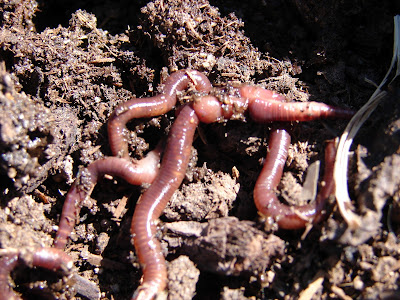
Organic gardening starts with soil. Not plants. If your soil is alive with bacteria, fungi, and earthworms, your plants will be healthy enough to resist most pests and diseases. That’s the core logic. Feed the soil, and the soil feeds the plant.
1. Organic matter is your primary fertilizer
Instead of applying 10-10-10 synthetic fertilizer (which provides nitrogen, phosphorus, and potassium in water-soluble salt form), organic gardeners build soil organic matter. Compost, aged manure, leaf mold, and cover crops decompose slowly, releasing nutrients as microorganisms break them down.
A soil test from your county extension office (typically $15–$30) tells you your organic matter percentage. Most vegetables need 5–8% organic matter. Sandy soils need more. Clay soils need less. If your soil tests at 2% organic matter, you need to add roughly 2–3 inches of compost per year for three years to hit that target.
2. Microbial life drives nutrient availability
Plants can’t absorb nitrogen from the air. They need soil bacteria to convert atmospheric nitrogen into ammonium or nitrate. Mycorrhizal fungi extend plant root systems, increasing water and nutrient uptake by up to 100 times. Synthetic fertilizers suppress this fungal network. Organic practices support it.
Products like Dr. Earth Organic & Natural All Purpose Fertilizer ($18 for 4 lbs) and Espoma Garden-tone ($14 for 4 lbs) contain beneficial microbes and mycorrhizae. They’re not just fertilizer — they’re soil inoculants. Compare that to Miracle-Gro Water Soluble All Purpose Plant Food ($8 for 1 lb), which is a synthetic salt that feeds the plant directly but does nothing for soil biology.
3. Cover crops prevent nutrient loss
Bare soil loses organic matter to erosion and oxidation. Organic gardeners plant cover crops (winter rye, crimson clover, buckwheat) during fallow periods. The roots hold soil in place. When tilled under, they add biomass. A single season of winter rye can add 3,000–4,000 lbs of organic matter per acre. For a 100-square-foot garden bed, that’s about 7–9 lbs of dry plant material.
Skip the cover crop, and you lose roughly 1–2% of your soil organic matter every year through oxidation alone. Over a decade, that’s a 10–20% drop. You can’t buy that back with bagged fertilizer.
When Organic Gardening Fails: Common Mistakes and Real Tradeoffs
Organic gardening has real failure modes. Knowing them upfront saves you a wasted season.
Mistake #1: Using the wrong organic fertilizer. Blood meal (13-0-0) releases nitrogen fast — within 2–4 weeks. Bone meal (3-15-0) releases phosphorus slowly — over 6–12 months. If you apply bone meal to a nitrogen-hungry crop like corn, you’ll get yellow leaves and low yields. Match the release rate to the crop’s growth stage. Fast-growing greens need fast-release nitrogen (fish emulsion, blood meal). Perennial fruit trees need slow-release phosphorus (rock phosphate, bone meal).
Mistake #2: Ignoring pest pressure thresholds. Organic pest control is reactive, not preventive. You can’t spray neem oil preemptively and expect it to work. You need to identify the pest, understand its life cycle, and apply the control at the right stage. For aphids, that means spraying when you see the first winged adults — before they reproduce. For squash vine borers, it means injecting Bt into the stem within 24 hours of seeing frass (sawdust-like droppings). Miss that window, and the plant dies.
Mistake #3: Believing organic means low-maintenance. Organic systems require more labor, not less. You’ll hand-pick tomato hornworms, weed by hand (no glyphosate), and turn compost piles every 3–4 days. A 200-square-foot organic vegetable garden takes about 2–3 hours of work per week during peak season. Conventional gardening with synthetic herbicides and pesticides takes about 1 hour.
When NOT to go organic: If you have a serious pest problem that requires synthetic intervention (like Japanese beetles on fruit trees), organic controls may not work fast enough. The organic option — milky spore disease — takes 2–3 years to establish. During that time, you lose the crop. Sometimes the pragmatic choice is conventional pest control for one season while you build soil health for the next.
| Product | Type | N-P-K Ratio | Release Speed | Price per lb | OMRI Listed? |
|---|---|---|---|---|---|
| Dr. Earth Organic 4-6-5 | Organic (microbial) | 4-6-5 | Slow (4–6 weeks) | $4.50 | Yes |
| Espoma Garden-tone 3-4-4 | Organic (composted) | 3-4-4 | Slow (6–8 weeks) | $3.50 | Yes |
| John & Bob’s Soil Optimizer | Organic (biochar + compost) | 0-0-0 | Very slow (soil structure) | $6.00 | Yes |
| Miracle-Gro All Purpose 24-8-16 | Synthetic | 24-8-16 | Fast (1–2 weeks) | $8.00 | No |
| Osmocote Smart-Release 14-14-14 | Synthetic (coated) | 14-14-14 | Controlled (3–4 months) | $5.50 | No |
Certification vs. Home Practice: Do You Need the Seal?
If you’re growing food for your family, USDA organic certification is irrelevant. It costs $200–$2,000 per year in fees plus inspection costs. No home gardener needs it.
What matters is whether you follow the spirit of the standards. The National Organic Program’s core principle: build soil health, avoid synthetic inputs, and maintain biodiversity. You can do all three without a certificate.
Here’s a practical checklist for the home organic gardener:
- Seeds and starts: Buy organic seeds when possible (Johnny’s Selected Seeds and Baker Creek Heirloom Seeds both offer organic options). Non-organic seeds are allowed under NOP rules if organic aren’t available, but they may be treated with fungicides.
- Soil amendments: Look for the OMRI (Organic Materials Review Institute) seal on bags. OMRI is an independent nonprofit that evaluates products against NOP standards. If it says OMRI Listed, it’s approved for organic production.
- Pest control: Start with physical barriers (row covers, copper tape for slugs). Use Bt for caterpillars, neem oil for soft-bodied insects, and insecticidal soap for aphids. Apply only when pests exceed threshold — not on a schedule.
- Weed management: Mulch with 3–4 inches of straw or wood chips. Hand-pull weeds when they’re small. Flame weeders (propane torches) work for driveways and paths but can damage soil biology if used on beds.
- Water management: Drip irrigation reduces fungal disease by keeping leaves dry. Soaker hoses work too. Avoid overhead sprinklers on vegetable beds — they spread soil-borne pathogens like early blight and powdery mildew.
One hidden cost: organic seeds cost 20–40% more than conventional. A packet of organic ‘Brandywine’ tomato seeds from Johnny’s costs $5.95 for 30 seeds. The conventional version costs $4.25. Over a 100-square-foot garden, seed costs run about $30–$50 per year. Not a dealbreaker, but worth knowing.
The Verdict: Is Organic Gardening Worth the Extra Effort?
For me, yes. But not for the reasons most people cite.
The evidence that organic produce is more nutritious is weak. A 2012 Stanford meta-analysis of 237 studies found no consistent difference in vitamin content between organic and conventional crops. Organic produce did have 30% lower pesticide residue, but both types were well below safety thresholds.
The real value is soil health. After three years of organic practices, my garden soil went from 1.8% organic matter to 5.2%. Water infiltration rate doubled — from 1 inch per hour to 2 inches per hour. That means less runoff, less watering, and deeper root systems. The plants are more resilient to drought and disease. I spend less time troubleshooting problems and more time harvesting.
If you’re starting from scratch, here’s my recommendation: convert one 4×8 raised bed to organic methods this season. Use a pre-mixed organic soil like FoxFarm Ocean Forest Potting Soil ($20 for 1.5 cubic feet) or Espoma Organic Raised Bed Mix ($16 for 2 cubic feet). Plant tomatoes, basil, and peppers — crops that respond well to organic care. See how the soil feels after one season. Then decide whether to expand.
Organic gardening isn’t magic. It’s a set of rules that prioritize long-term soil function over short-term yield. If you care about building something that gets better every year, those rules make sense. If you just want tomatoes in August without thinking about soil microbes, buy a bag of synthetic fertilizer and enjoy your harvest. Both choices are valid. Just know what you’re paying for.