Most home cooks trash edible flowers without a second thought. Big mistake. Bachelor Buttons, for example, aren’t just for looking pretty in a vase. They pack a subtle, sometimes peppery, bitterness. You’re literally throwing flavor in the compost if you’re not using them. It’s time to stop.
The Truth About Bachelor Buttons’ Taste
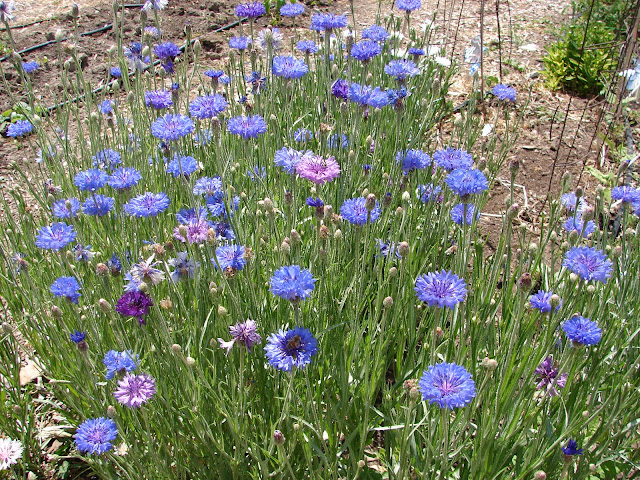
This flower isn’t a neutral garnish; it has a personality. Forget bland. Bachelor Buttons, Centaurea cyanus, offer a flavor profile that ranges from mildly sweet, almost cucumber-like, to a definite peppery or clove-like bitterness. This depends heavily on the specific variety, the growing conditions, and, crucially, how fresh it is. Ignore anyone who says they taste like nothing. They’re wrong. The vibrant blue petals are often the sweetest, carrying notes of green apple or melon, while the central disc can introduce a more pronounced bitter or slightly spicy note, reminiscent of chicory or radish greens. Understanding this nuance is critical for proper integration into your dishes. You wouldn’t use a potent herb like rosemary expecting a subtle whisper; treat these flowers with the same discernment. Their contribution is subtle, yes, but it’s there, and it elevates. Misuse them, and you might as well use plastic.
Why Freshness Matters for Flavor
Like any truly delicate ingredient—think microgreens or ripe berries—Bachelor Buttons lose their vibrant qualities fast. Picked flowers, even under ideal refrigeration, begin to degrade almost immediately. That ephemeral sweetness, the crisp texture, or the surprising peppery kick? It diminishes, often vanishing entirely within a day or two. For optimal flavor and texture, harvest them in the morning after any dew has evaporated, but before the sun’s intense heat starts to stress the plant. Use them within a few hours. Any delay beyond that is a direct compromise on the sensory experience. Sourcing them from a commercial grocer is almost always a losing proposition. These flowers are typically harvested for visual longevity, not peak flavor, often treated to withstand travel. Their flavor profile will be muted, their texture limp. Don’t waste your time or money on anything less than garden-fresh. You wouldn’t buy a wilted herb and expect it to sing; don’t expect it from these.
Pairings That Work, and Those That Don’t
Bachelor Buttons demand thoughtful pairings. Their delicate character means they are easily overpowered by aggressive flavors. Don’t throw them into a robust beef stew or a heavy, spice-laden curry. That’s just a waste. They shine brightest when paired with lighter, brighter flavors. Think fresh, soft cheeses—a creamy goat cheese log, a delicate ricotta, or a fresh mozzarella. They complement crisp green salads with a simple lemon vinaigrette or a light champagne dressing. Cucumber sandwiches, delicate canapés, or even a simple bruschetta benefit from their visual pop and subtle flavor. For proteins, consider light fish like pan-seared halibut, delicate chicken breast, or fresh shellfish. Avoid strong herbs such as rosemary, sage, or thyme; these will completely overwhelm the flower’s subtle contribution. However, they pair beautifully with citrus; lemon and lime awaken their inherent sweetness and temper any bitterness. They also hold their own against mild spices like white pepper or a hint of ginger. In sweet applications, they excel. They add elegance to simple desserts: panna cotta, shortbread biscuits, almond financiers, or a glazed fruit tart. The intense blue varieties create a stunning contrast on a lemon meringue pie or a vanilla bean cheesecake. The key is to provide a clean canvas for their subtle charm. It’s not complex; it’s about respectful integration.
Generic Tip 1: Always, and I mean always, ensure any edible flower you intend to consume is grown without pesticides, herbicides, or systemic chemicals. Organic certification or your own pesticide-free garden are the only guarantees. Ingesting chemically treated flowers isn’t just unpleasant; it’s potentially harmful. Your plate should be a sanctuary, not a chemical experiment.
Growing Bachelor Buttons for the Kitchen
If you want truly exceptional, culinary-grade Bachelor Buttons, you must grow them yourself. It’s a straightforward process; these aren’t temperamental exotic plants. They are robust annuals, forgiving and prolific. Your kitchen will thank you.
-
Choose the Right Location and Soil
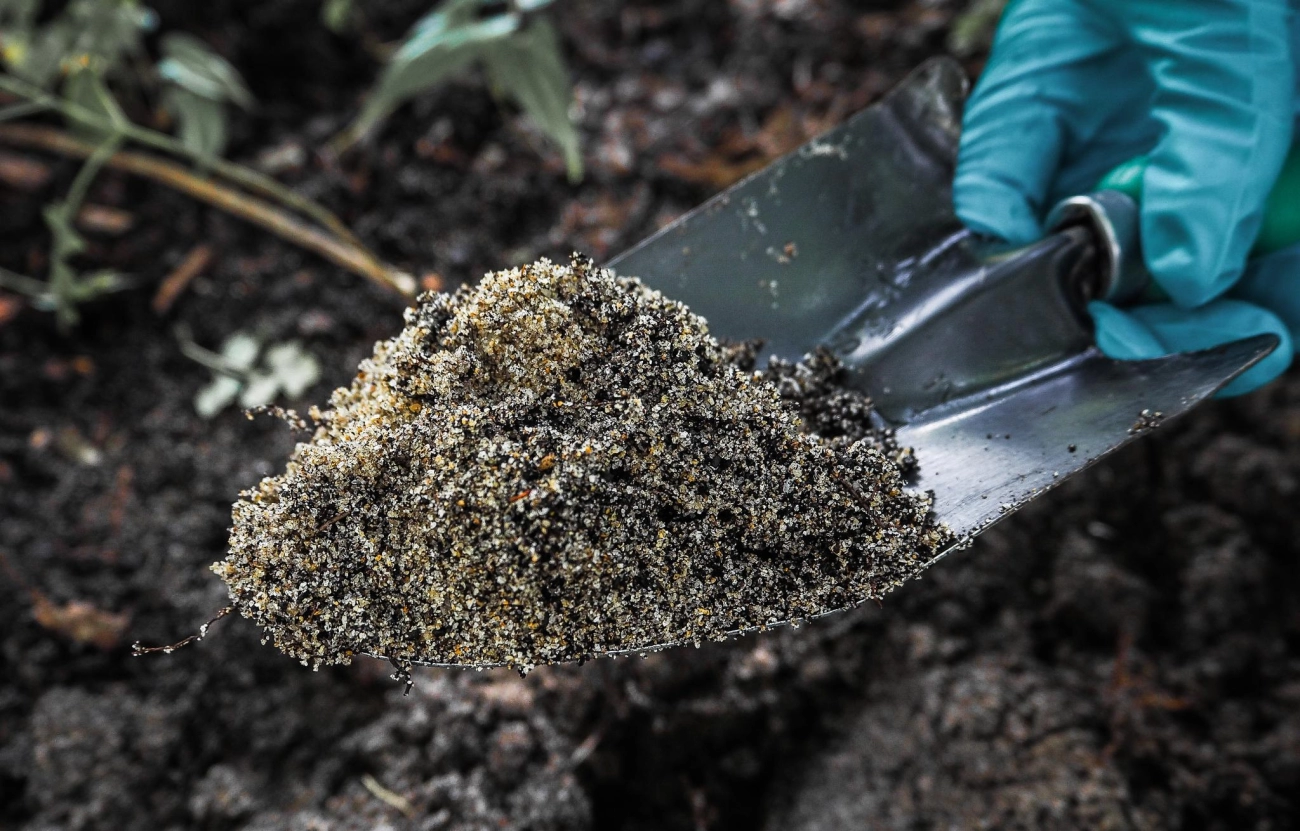
Bachelor Buttons thrive in full sun, meaning at least six hours of direct sunlight daily. In scorching climates, a spot that receives some afternoon shade can prevent wilting and prolong blooming. They are not particular about soil type, as long as it’s well-draining. Heavy clay or constantly waterlogged soil will lead to root rot. Aim for average garden soil, slightly alkaline to neutral pH (6.0-7.0), amended with a little compost for fertility and drainage. Don’t overdo the nitrogen; too much encourages leafy growth at the expense of flowers and can dilute their delicate flavor. A basic, balanced organic fertilizer at planting is sufficient.
-
Seed Selection and Sowing Techniques
For culinary purposes, standard Centaurea cyanus seeds are your best bet. Avoid highly hybridized varieties specifically bred for massive, ornamental blooms, as their flavor might be compromised. Look for heirloom or open-pollinated seeds. Direct sow seeds in early spring, once the danger of the last hard frost has passed, or in late fall in regions with mild winters for blooms the following spring. Plant them shallowly, about a quarter-inch deep, and space them 6-12 inches apart. This spacing allows for good air circulation, which is crucial for preventing fungal issues, and provides ample room for plant development. If you’re going for a dense, naturalistic look, scatter seeds more thickly and thin seedlings to about 6 inches apart once they are a few inches tall. Germination is usually reliable, occurring within 7 to 14 days under favorable conditions.
-
Watering and Ongoing Care
Consistent moisture is important, especially during germination and establishment. Once established, Bachelor Buttons are relatively drought-tolerant but will produce more blooms and healthier plants with regular watering. Aim for about an inch of water per week, either from rain or irrigation. Water deeply at the base of the plant to encourage strong root growth and avoid wetting the foliage, which can lead to mildew. Deadheading, or removing spent flowers, is critical. This practice encourages the plant to produce more blooms throughout the season, rather than diverting energy into seed production. Regular deadheading means a continuous supply of fresh, flavorful flowers for your kitchen.
-
Optimal Harvesting for Flavor and Appearance
Timing your harvest is everything for culinary quality. Pick individual flowers or entire flower heads when they are fully open, vibrant in color, and still young. Avoid any flowers that show signs of wilting, discoloration, or pest damage. The petals are the most common culinary component. To harvest just the petals, gently pull them from the central disc. For whole flower heads, use clean, sharp snips or scissors to cut the stem just below the bloom. Harvest in the early morning after the dew has dried to ensure maximum freshness and minimal stress to the plant. Regular harvesting not only provides you with a steady supply but also stimulates the plant to produce more flowers. It’s a simple, effective cycle.
Generic Tip 2: Before incorporating any edible flowers into your cooking, gently rinse them under cool, running water. Place them on a clean paper towel or a salad spinner to dry thoroughly. Excess moisture can dilute flavors, make them stick together, or even lead to quicker spoilage. A dry flower holds its texture and visual appeal much better.
Are Bachelor Buttons Safe to Eat?
This isn’t a trick question. Yes, Bachelor Buttons are generally considered safe for human consumption. But "generally" isn’t "always." There are caveats. Don’t be foolish.
Which Parts are Edible?
The vibrant petals are the primary edible component. They are prized for their color, delicate flavor, and appealing texture. You can use entire flower heads for a striking visual, but often, separating the individual petals is preferred, especially when integrating them into a dish like a salad or a dessert sprinkle. The green sepals, those small, leaf-like structures directly beneath the petals, are typically bitter and fibrous. They offer no culinary benefit and are best removed. The stems are likewise inedible and should be discarded. Focus on the colorful, delicate parts. Anything else is filler.
Pesticides and Your Plate: What to Watch For
This is the single most critical factor for edible flower safety. If you didn’t grow them yourself in a pesticide-free environment, or if you cannot absolutely verify their organic cultivation methods, do not eat them. Commercial florists use a wide array of pesticides, herbicides, and systemic chemicals that are not approved for human consumption. Many garden center plants are treated with growth regulators and pest control agents that permeate the entire plant structure and cannot be washed off. Asking the seller is a minimum step, but trust is earned. If there’s any doubt, err on the side of caution. It’s simply not worth risking your health for a garnish. Your best, safest option is to cultivate them yourself from organic seeds or purchase from a certified organic edible flower farm. No exceptions.
Are There Any Allergenic Risks?
While Bachelor Buttons are not listed among the common severe allergens, individual sensitivities are always a possibility with any new food. They belong to the Asteraceae family (also known as Compositae), which includes plants like sunflowers, daisies, marigolds, and chrysanthemums. If you have known allergies to other members of this family, you might experience a cross-reaction. Symptoms could range from mild skin irritation to digestive upset. If you’re trying them for the first time, introduce them in very small quantities. Observe your body’s reaction for a day or two before consuming more. This is standard protocol for any novel food item, not unique to edible flowers. If you have a compromised immune system or severe allergies, consult a healthcare professional before adding new foods to your diet. Better safe than sorry.
Generic Tip 3: Think of edible flowers as culinary accents, not main ingredients. Their purpose is to enhance, not dominate. A subtle sprinkle adds elegance and intrigue; a heavy-handed application can make a dish look messy and overwhelm the delicate balance of flavors. Less is often more.
Creative Culinary Uses for Bachelor Buttons
Beyond simply scattering petals, Bachelor Buttons offer a surprising range of applications. Their vibrant hues—blues, purples, pinks, and whites—can transform an ordinary dish. Consider both color contrast and how their subtle flavor interacts with other ingredients.
| Application | Flavor Contribution & Visual Impact | Ideal Dishes & Examples |
|---|---|---|
| Fresh Garnish | Primarily visual. Adds a mild, fresh, slightly peppery or sweet note, especially the blue petals. Bright, vibrant color contrast. | Green salads (e.g., arugula with a lemon vinaigrette), fruit salads (especially with berries or melon), cheese boards (with soft goat cheese or brie), chilled soups (cucumber gazpacho), open-faced sandwiches (cream cheese and cucumber), avocado toast. Think delicate and fresh. |
| Infusions | Imparts a very delicate, floral, slightly herbaceous flavor. Petals can release subtle color into liquids, especially hot ones. | Simple syrups for cocktails (gin, vodka, prosecco) or lemonades, homemade vinegars (white wine vinegar), herbal teas (cold brew or hot), light custards (panna cotta), homemade ice cream or sorbet bases. The blue can create a surprising, natural tint. |
| Baking & Confections | Flavor mostly disappears with heat, but the vibrant color often remains. Provides an elegant, natural decorative element. | Shortbread cookies, sugar cookies (pressed onto dough before baking), plain scones, clear jelly or gelatin desserts, transparent glazes for cakes (e.g., lemon loaf, Bundt cake), handmade chocolates (embedded in tempered chocolate). A blue petal on a white chocolate square is striking. |
| Frozen Elements | No significant flavor impact when frozen. Purely aesthetic, adding a touch of elegance to beverages. | Ice cubes (with whole petals or small clusters), popsicles (for a visual surprise), frozen fruit purees. Perfect for summer drinks, sparkling water, or serving with a clear spirit. |
| Compound Butters & Spreads | A delicate, fresh, slightly herbaceous flavor when mixed into butter or soft cheese. Visually appealing flecks of color. | Mixed into unsalted butter to spread on crusty bread, melted over steamed asparagus or new potatoes, used to finish grilled fish or chicken, stirred into cream cheese for bagels or crackers. The freshness brightens rich fats. |
Beyond Garnish: Infusions and Desserts
If you’re only using Bachelor Buttons as a direct sprinkle, you’re overlooking their true potential. Their delicate nature makes them excellent for infusions. Steep the petals in hot water for a subtle, floral tea, or infuse them into a simple syrup. That syrup can then elevate a classic Gin and Tonic, transform a basic lemonade, or add a unique twist to a homemade vinaigrette. Imagine the visual appeal of a clear cocktail with a hint of natural blue from infused petals. For desserts, the possibilities are equally compelling. Press whole, fresh petals onto raw shortbread cookie dough before baking for a delicate, natural pattern. Or, fold them into a clear glaze for a lemon tart or a pound cake; the blue petals, in particular, create a stunning contrast against yellow or white backgrounds. Don’t overthink these applications; the flower itself provides most of the elegance and visual impact with minimal effort from you. It’s about their natural beauty and subtle flavor, not forcing them into complex recipes.
Storing Bachelor Buttons for Longevity
Let’s be direct: Bachelor Buttons are not built for long-term storage. Their delicate structure means they degrade rapidly. Your absolute best bet is to use them immediately after harvesting. If you must store them, place unwashed, whole flowers in a single layer on a lightly damp paper towel. Gently roll the paper towel and slide it into an airtight container or a zip-top bag. Store this in the crisper drawer of your refrigerator. Expect them to last a day, maybe two, at most, before wilting or losing flavor. Anything beyond that is a compromise in both appearance and taste. Don’t kid yourself.
Bachelor Buttons are a genuinely useful, distinct edible flower that demands thoughtful cultivation and precise application to unlock its subtle, unique culinary potential.