Summer kitchens often seek fresh inspiration. The usual herbs and vegetables are good, but they can feel repetitive. What if you could add a burst of color and unexpected flavor to every dish, straight from your garden?
Edible flowers offer a simple, elegant solution. They provide unique aromas, textures, and visual appeal that transform everyday meals into something special. Growing them yourself ensures freshness and avoids the high cost of specialty store options.
Why Edible Flowers Elevate Summer Dishes
Integrating edible flowers into your summer culinary repertoire goes beyond mere aesthetics. These vibrant additions bring complex flavor profiles, surprising nutritional benefits, and an undeniable elegance to any meal. They solve the common problem of culinary monotony, offering a natural way to experiment without relying on exotic, hard-to-find ingredients.
Think about a simple garden salad. Adding a few bright Nasturtium petals changes the entire experience. Their peppery kick adds a counterpoint to mild greens. A sprinkle of delicate Pansies provides a subtle, sweet note and a visual feast. This isn’t just about making food pretty; it’s about expanding your palate and engaging all senses. They are also a conversation starter at any summer gathering.
Beyond their direct use in dishes, growing edible flowers encourages a deeper connection to your food source. You understand the lifecycle from seed to bloom. This mindfulness enriches the eating experience. It also means you control the growing conditions, ensuring your petals are free from harmful pesticides or chemicals, a critical factor for any edible plant.
Flavor Beyond Aesthetics
Many edible flowers boast distinct flavors. Nasturtiums, for instance, deliver a sharp, peppery taste reminiscent of watercress or arugula. They are excellent in salads or as a garnish for grilled meats. Borage flowers have a subtle cucumber-like freshness, perfect for cocktails or chilled soups. Chive blossoms offer a mild oniony zest, ideal for scrambled eggs or potato salads. Roses, particularly older varieties like ‘Apothecary Rose’, carry a sweet, perfumed essence that brightens desserts or infused drinks.
Understanding these flavor profiles allows for intentional culinary pairings. You’re not just decorating; you’re building layers of taste. Calendula petals add a slight bitterness and a golden hue to rice dishes or baked goods. Lavender brings a distinct floral, slightly savory note that pairs surprisingly well with lamb or in shortbread cookies. The key is to taste them first, in small amounts, to understand their intensity and how they will interact with other ingredients. Different parts of the flower, like petals versus the entire bloom, can also have varied intensities.
Unexpected Health Benefits
Edible flowers aren’t just about taste and beauty; they also pack a nutritional punch. Many varieties are rich in vitamins, minerals, and antioxidants. For example, Calendula, often called the pot marigold, contains carotenoids and flavonoids, which are beneficial plant compounds. It has historically been used for its anti-inflammatory properties.
Rose petals are a source of Vitamin C and various polyphenols, known for their antioxidant activity. Pansies and Violas contain significant amounts of rutin, an antioxidant flavonoid. Borage is high in gamma-linolenic acid (GLA), an omega-6 fatty acid. These benefits are often in small quantities, but they contribute to overall dietary diversity. Consuming a rainbow of plant-based foods, including edible flowers, is a recognized strategy for improving health. Ensuring your garden soil is rich in organic matter will further enhance the nutrient density of your blooms.
Top Edible Flowers for Your Summer Garden
Choosing the right edible flowers for your garden depends on your climate, space, and culinary ambitions. Some are incredibly forgiving, while others require more specific conditions. We recommend starting with varieties known for their ease of growth and versatile flavors. This ensures a rewarding experience and a continuous supply for your kitchen. Consider both annuals and perennials to ensure continuous blooms throughout the summer season.
| Flower Name | Flavor Profile | Ease of Growth | Sunlight Needs | Best Uses |
|---|---|---|---|---|
| Nasturtium | Peppery, spicy | Very Easy | Full Sun to Partial Shade | Salads, sandwiches, garnishes, infused oils |
| Calendula | Slightly bitter, tangy | Easy | Full Sun | Rice dishes, soups, baked goods, teas |
| Borage | Cucumber-like, fresh | Easy | Full Sun to Partial Shade | Drinks, salads, chilled soups, seafood |
| Pansy/Viola | Mild, sweet, grassy | Easy | Partial Shade to Full Sun | Desserts, salads, garnishes, candied flowers |
| Chive Blossoms | Mild onion/garlic | Very Easy | Full Sun | Eggs, potato salad, savory dishes |
| Zucchini Flowers | Delicate, mild zucchini | Moderate | Full Sun | Frying, stuffing, quesadillas |
| Rose | Sweet, perfumed | Moderate | Full Sun | Desserts, jams, syrups, teas |
| Lavender | Floral, slightly savory | Moderate | Full Sun | Baked goods, lamb dishes, infused sugar |
Beginner-Friendly Choices
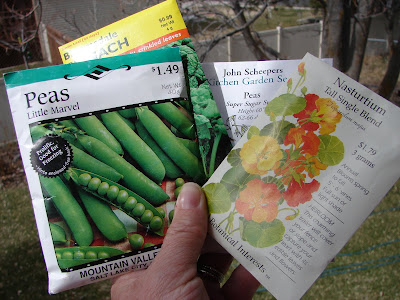
For those just starting, Nasturtium is an absolute must. It germinates quickly, grows vigorously, and offers both edible leaves and vibrant flowers with that signature peppery kick. They thrive even in poor soil. Another excellent choice is Calendula. These bright orange and yellow blooms are resilient, attracting pollinators while providing a steady supply of petals. You can harvest petals almost daily. Borage is also highly recommended for beginners; its star-shaped blue flowers are charming and have a distinctive cucumber flavor, perfect for summer drinks. It self-seeds readily, ensuring a return year after year. For a more delicate option, Pansies and Violas are fantastic. They prefer cooler weather but can last into early summer in shaded spots, offering a mild, sweet flavor and a spectrum of colors. These can be easily grown from seed packets from brands like Burpee or Botanical Interests.
Unique Flavors for the Adventurous
Once you’ve mastered the basics, consider expanding your palette with more distinct floral flavors. Roses, specifically fragrant varieties like ‘Gertrude Jekyll’ or ‘Mr. Lincoln’, offer intense sweetness for jams, syrups, and desserts. Ensure they are organically grown and free of pesticides. Lavender, particularly culinary varieties like ‘Munstead’ or ‘Hidcote’, provides a strong, aromatic note that can be challenging but rewarding. It pairs well with savory dishes like roasted chicken or in baked goods like shortbread. Zucchini flowers, while not a true flower in the ornamental sense, are a culinary delight often found at farmer’s markets. They require a zucchini plant to be grown, and harvesting should be done carefully to ensure fruit production. Their delicate, mild flavor is perfect for stuffing and frying. These varieties elevate cooking significantly, but demand more attention to specific growing conditions and proper flavor balance in dishes.
Cultivating Your Floral Kitchen Garden: Step-by-Step
Successfully growing edible flowers begins with understanding their basic needs. You don’t need a large plot; many varieties thrive in containers. The goal is healthy, robust plants that produce abundant, beautiful, and flavorful blooms. Start small and expand as your confidence grows. Organic practices are for edible plants.
- Choose the Right Location: Most edible flowers, like Nasturtiums and Calendula, require at least 6 hours of direct sunlight daily. However, Pansies and Violas prefer partial shade, especially in the intense afternoon heat of summer. Observe your garden throughout the day to identify optimal spots. A south-facing window box or a well-lit patio can be ideal for container gardening.
- Prepare the Soil: Good drainage is critical for preventing root rot. A well-draining, loamy soil rich in organic matter is best. Amend heavy clay soils with compost or well-rotted manure. For container planting, use a high-quality organic potting mix. Avoid garden soil in pots, as it compacts easily. The pH level for most edible flowers is slightly acidic to neutral, between 6.0 and 7.0.
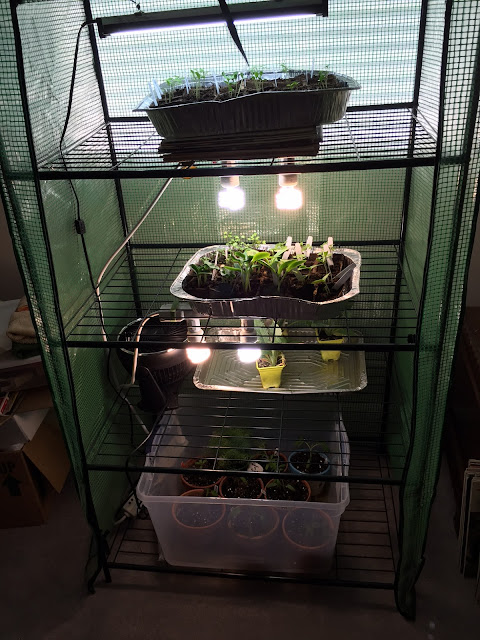
- Planting Seeds or Starts: Many edible flowers, like Borage and Nasturtium, are easily grown directly from seed after the last frost. Follow package directions for spacing and planting depth. For a head start, you can sow seeds indoors 4-6 weeks before the last frost. Seed companies like Baker Creek Heirloom Seeds offer a wide range of open-pollinated, non-GMO varieties. Transplants of Pansies or Violas can be purchased from local nurseries.
- Watering Consistently: Uniform moisture is key. Most flowers prefer consistently moist but not waterlogged soil. Water deeply when the top inch of soil feels dry. Drought stress can lead to fewer blooms and a bitter taste in some varieties. Avoid overhead watering, which can encourage fungal diseases, especially in humid conditions. Drip irrigation or watering at the base of the plant is more efficient.
- Fertilizing Sparingly: Edible flowers generally don’t require heavy feeding. Over-fertilization, especially with high-nitrogen formulas, can promote leafy growth at the expense of flowers. A balanced organic fertilizer applied once or twice during the growing season is usually sufficient. Compost tea or liquid seaweed extract can provide gentle nourishment.
- Pest and Disease Management: Healthy plants are less susceptible to pests. Monitor your plants regularly for common pests like aphids or spider mites. If infestations occur, start with non-toxic solutions. A strong spray of water can dislodge aphids. Insecticidal soap or neem oil can be effective for more stubborn issues. Always opt for organic, food-safe pest control methods when growing edibles. Ensure good air circulation to prevent fungal problems.
- Deadheading and Harvesting: Regularly removing spent flowers (deadheading) encourages the plant to produce more blooms. For harvesting edible flowers, pick them in the morning after the dew has dried but before the sun is intense. This is when their flavor and fragrance are at their peak. Use clean snips or your fingers.
Essential Soil and Sunlight Needs
Most edible flowers thrive in a specific blend of light and soil. For plants like Lavender and Calendula, full sun – meaning at least six to eight hours of direct sunlight per day – is non-negotiable for abundant blooms. Without adequate light, these plants will produce fewer, weaker flowers and their flavor might be diminished. However, flowers such as Pansies and Violas prefer a location with partial shade, particularly during the hot afternoon sun, which can cause them to wilt and shorten their blooming period. Understanding these distinct light preferences is crucial for placement in your garden or on your patio. A soil rich in organic matter promotes strong root development and supports continuous flowering. Adding a good layer of compost before planting, and perhaps a side-dressing mid-season, provides the slow-release nutrients essential for vigorous growth. The soil must also be well-draining; soggy roots are a death sentence for most flowering plants. If your soil is heavy clay, amending it with sand and organic matter will significantly improve its structure.
Smart Watering and Pest Prevention
Watering correctly is vital for the health and flavor of your edible blooms. Consistent moisture is generally preferred, but overwatering can lead to fungal diseases and root rot. Stick your finger an inch or two into the soil; if it feels dry, it’s time to water. Early morning watering is best, allowing foliage to dry before nightfall, which reduces the risk of mildew. For pest prevention, a proactive approach saves a lot of trouble. Regularly inspect your plants for any signs of trouble, like chewed leaves or tiny insects. Many common pests, such as aphids, can be dislodged with a strong spray of water from the hose. Introduce beneficial insects like ladybugs, which naturally prey on aphids. Organic insecticidal soaps or neem oil solutions can be used for more persistent problems, but always ensure they are safe for edible plants and follow application instructions carefully. Companion planting can also deter pests; planting marigolds near your flower beds can naturally repel some harmful insects.
Maximizing Your Harvest and Storage
Harvesting your edible flowers at the correct time and storing them properly ensures their peak flavor and extends their freshness. This is often a very short window. Don’t let your hard work go to waste by picking at the wrong moment. Freshness makes a huge difference in both taste and texture, especially for delicate petals.
For optimal use, plan to harvest flowers just before you intend to use them. If immediate use isn’t possible, proper handling ensures they remain vibrant and flavorful for several days. This minimal effort preserves their quality.
When to Pick for Peak Flavor
The best time to harvest most edible flowers is in the early morning, right after the dew has dried and before the sun’s intensity increases. At this point, the flowers are fully hydrated and their volatile oils, which contribute to their fragrance and flavor, are at their most concentrated. Picking flowers in the heat of the day can result in wilted petals and diminished flavor. Choose fully opened blooms that are free from blemishes or insect damage. Avoid picking flowers that are starting to fade or show signs of disease. Use sharp scissors or snips to make clean cuts, or gently pinch the stem just below the bloom. Some flowers, like Zucchini blossoms, should be picked just as they open, typically in the early morning.
Keeping Petals Fresh
Once harvested, edible flowers are delicate and perishable. For immediate use, a quick rinse under cool water to remove any lingering soil or insects is usually sufficient. Gently pat them dry with a paper towel. If you need to store them, place the clean, dry flowers on a damp paper towel inside an airtight container. Keep this container in the coolest part of your refrigerator, typically the crisper drawer. Most delicate flowers like Pansies and Violas will last for 2-3 days this way. More robust flowers like Nasturtiums or Calendula may last a bit longer. Avoid washing them until just before use if you plan to store them, as excess moisture can accelerate spoilage. Some flowers, like Roses or Lavender, can also be dried for longer-term storage and use in teas or potpourri, though their fresh culinary appeal is often preferred.
Infusing Floral Notes into Everyday Cooking
The bold truth is, you are missing out on an entire dimension of flavor if you haven’t cooked with edible flowers. They offer an accessible way to elevate common dishes from mundane to magnificent. It’s not just about garnish; it’s about incorporating subtle, aromatic, or peppery notes that awaken the palate. Start simply, then get creative.
Think beyond just scattering petals. Infusions, syrups, and even baked goods can benefit immensely from floral additions. The key is balance. A little goes a long way with some more potent varieties like lavender or strong-flavored roses. Experimentation is part of the fun. Your summer kitchen will never be the same once you embrace these natural flavor enhancers.
Simple Applications for Beverages and Salads
For instant refreshment, infuse water or lemonade with Borage flowers for a crisp, cucumber-like essence. Freeze small edible flowers like Violas or Pansies into ice cubes to add a beautiful touch to cocktails and iced teas. A classic gin and tonic becomes artful with a single Nasturtium bloom. In salads, edible flowers shine. Toss whole Nasturtium leaves and flowers with mixed greens, a light vinaigrette, and goat cheese for a peppery kick. Scatter colorful Pansy and Viola petals over a Caprese salad for visual appeal and a delicate, sweet note. Chive blossoms are perfect for potato salads or sprinkled over fresh cucumber and dill salads, providing a mild oniony zest without overpowering other flavors. Even a simple green salad can be transformed into a vibrant dish with a mix of Calendula and Cornflower petals.
Creative Combinations for Desserts
Edible flowers truly elevate desserts. Candied Violets or Pansies make stunning decorations for cakes, cupcakes, and tarts; simply brush them with egg white and dust with superfine sugar, then dry. Incorporate finely chopped Rose petals into shortbread cookies or blend them into homemade ice cream for a unique floral aroma. Lavender is exceptional in crème brûlée or infused into simple syrup for a subtle addition to fruit salads or lemonade. Zucchini flowers, lightly fried in a tempura batter and drizzled with honey, create an unexpectedly sophisticated sweet treat. For a simpler approach, scatter delicate Calendula petals over a fruit crumble before baking, adding a hint of tang and color. The goal is to complement, not overpower, the existing flavors of your sweet creations, adding a layer of complexity and elegance.
Growing and cooking with edible summer flowers adds unparalleled beauty and unique flavors to your table, transforming simple meals into memorable experiences.