A bag of mixed greens at the grocery store costs $5–7 and wilts within four days. A properly planted salad bed costs roughly $20–40 to set up and produces harvests for 8–12 weeks per season. The numbers favor the bed by a wide margin — but only if you plant the right things.
What a Salad Bed Is (And Why Most Garden Advice Gets It Wrong)
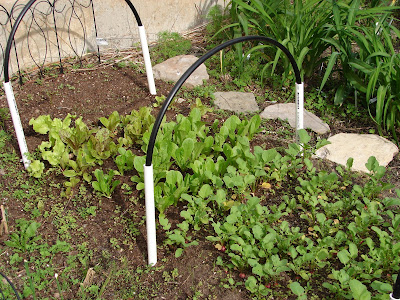
A salad bed is a dedicated planting area — raised bed, ground-level row, or container system — filled exclusively with cut-and-come-again leafy greens. The operative word is dedicated. Most gardening guides tell you to scatter lettuce between tomatoes or tuck arugula into random gaps. That approach works, but it turns harvesting into a treasure hunt and makes succession planting almost impossible to manage.
A dedicated bed changes the dynamic. You plant densely (6-inch spacing for most varieties), harvest the outer leaves repeatedly, and replant sections as they bolt. It runs like a small production system, not a hobby corner. The consistent supply is the whole point.
What Makes a Good Salad Bed Location
Full sun works, but it is not ideal for all greens. Lettuce, spinach, and arugula actually prefer partial shade in summer — 4–6 hours of direct light is sufficient, and afternoon shade extends the season by 2–3 weeks before bolting kicks in. South-facing walls that collect hot afternoon sun will toast your spinach by June.
Minimum bed size worth building: 4×4 feet (16 square feet). Smaller than that and you are harvesting a handful of leaves every few days — not a full meal. Four to six square feet per person eating from the bed is a workable target for consistent supply.
Raised Bed vs. Ground Level: The Honest Trade-Off
Raised beds drain better, warm faster in spring, and make harvest ergonomic. Ground-level beds are cheaper and retain moisture longer in dry climates. Neither is universally superior.
If your native soil is clay-heavy or compacted, raised is worth the cost. A 4×8 cedar raised bed kit from Home Depot runs $80–120. That is the realistic price — not the $35 DIY figure most guides quote. If you have decent loam, save the lumber money and amend the soil directly instead.
Bottom Line: For most home gardeners, a 4×4 raised bed is the easiest path to a productive salad bed. The upfront cost pays back in two growing seasons.
The 8 Best Greens for a Salad Bed — Ranked by Ease and Flavor
Not all salad greens perform equally in a home bed. Some are easy and productive. Others look great in seed catalogs and bolt within three weeks. The table below covers what you actually need to know before buying seeds.
| Green | Days to Harvest | Heat Tolerance | Flavor | Difficulty |
|---|---|---|---|---|
| Buttercrunch Lettuce | 55–65 days | Low | Mild, buttery | Easy |
| Arugula (Slow Bolt variety) | 28–40 days | Very Low | Peppery, sharp | Easy but bolts fast |
| Bloomsdale Spinach | 40–50 days | Low | Earthy, mild | Easy in cool weather |
| Red Sails Leaf Lettuce | 45–55 days | Medium | Mild, slightly sweet | Very Easy |
| Freckles Romaine | 55–70 days | Medium | Crisp, mild | Easy |
| Mustard Greens | 30–40 days | Medium-High | Spicy, sharp | Easy |
| Mizuna | 35–45 days | Medium | Mild, slightly peppery | Easy |
| Swiss Chard | 50–60 days | High | Earthy, beet-like | Easy, long season |
The Three-Variety Starter Kit That Works Every Time
For a first salad bed, plant Buttercrunch lettuce, Red Sails leaf lettuce, and Bloomsdale spinach together. These three cover mild, sweet, and earthy flavor profiles, mature at staggered rates, and are genuinely hard to kill in cool weather. You will get a visually varied bowl with minimal planning.
Baker Creek Heirloom Seeds sells Bloomsdale spinach for $2.50 per packet. Johnny’s Selected Seeds stocks Buttercrunch at $3.95. Both list germination rates on the packet and typically hit 85–90%+. Seed packets from dollar stores or discount bins often fall below 50% — the savings evaporate when half your seeds fail to sprout.
What to Skip on Your First Planting
Head lettuce varieties like Iceberg and Crisphead do not regrow after harvest. You cut once, and they are done. For a cut-and-come-again bed focused on ongoing production, loose-leaf varieties are the right choice every time. Also skip cilantro in the salad bed — it bolts within two weeks in warm weather and occupies space better used by greens with longer production windows. Grow it in a separate pot near the kitchen instead.
How to Build and Plant Your Salad Bed From Scratch
Here is the process, without filler. Soil first, then spacing, then timing.
Step 1: Get the Soil Right Before You Plant Anything
Salad greens are shallow-rooted — 6–8 inches of quality soil is enough. What they need is loose, well-draining texture with consistent moisture retention. Heavy clay compacts around roots, stunts plants, and holds too much water after rain. You will notice the problem immediately when seedlings fail to establish or sit yellowed in wet soil.
The most practical approach for a raised bed: a 50/50 mix of quality compost and bagged garden soil. Espoma Organic Garden Soil ($7–9 per 0.75 cu ft bag at most garden centers) combined with composted manure in equal parts gives you a reliable growing medium. For the best possible setup, Mel’s Mix — from the book “Square Foot Gardening” — calls for one-third compost, one-third peat moss, and one-third vermiculite. It drains perfectly and warms fast in spring, but filling a 4×4 bed costs $40–60 in materials upfront.
The simple moisture test: push your finger 2 inches into the soil after watering. If it is still damp, hold off. Salad greens prefer consistent moisture, not wet feet for days at a stretch.
Step 2: Spacing and Planting Depth
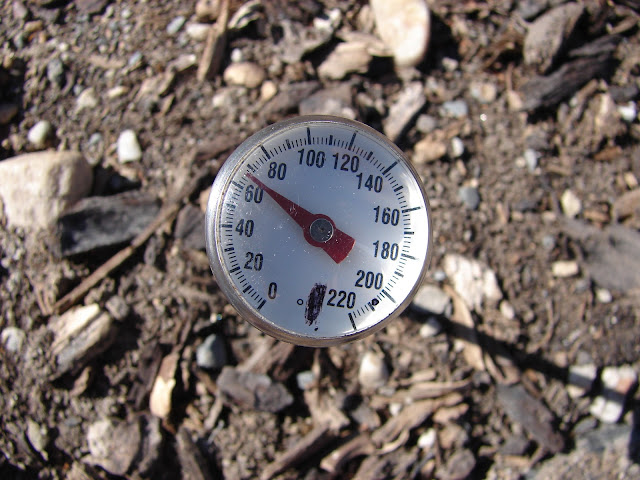
Direct sow most greens — no starting indoors required. Salad greens germinate fast once soil temperature reaches 45°F.
- Lettuce (all leaf varieties): sow 1/4 inch deep, thin to 6 inches apart
- Spinach: 1/2 inch deep, thin to 4–6 inches apart
- Arugula: surface sow (press seeds into soil surface), thin to 4 inches apart
- Mizuna and mustard: 1/4 inch deep, thin to 6 inches apart
- Swiss chard: 1 inch deep, thin to 6–9 inches apart
Thinning is non-negotiable. Crowded plants bolt faster, produce fewer leaves per plant, and develop weaker root systems. Thin to the listed spacing even when it hurts to pull healthy seedlings. Eat the thinnings — baby arugula pulled at two weeks is excellent in any bowl.
Step 3: Succession Planting Is the System That Makes This Work
Plant a new section of the bed every 2–3 weeks. This single technique matters more than any fertilizer or soil amendment you could add. Plant everything at once and you will face a short glut followed by a six-week gap while the next round matures.
In a 4×4 bed, divide it mentally into four quadrants. Plant the first, wait three weeks, plant the second, and continue. By the time the fourth quadrant goes in, the first is ready to harvest. This rolling system sustains harvests from April through June and again from September through November across USDA zones 5–8.
Water at roughly 1 inch per week, split into multiple sessions. Light, frequent watering every 2–3 days in summer beats deep, infrequent soaking for leafy greens. Their root systems stay in the top few inches of soil — that zone dries out fast, and heat-stressed lettuce does not recover cleanly once it wilts past a certain point.
Cut-and-Come-Again: The Whole Harvest Strategy in Two Sentences
Cut one-third of the plant’s height. Leave the growing crown intact. The plant regrows from the center in 7–14 days, and you can harvest 3–5 times per planting before it bolts or exhausts itself. Cutting below the crown kills the plant permanently — that is the only real mistake to avoid here.
Why Your Salad Bed Failed: Common Problems Diagnosed
Why Did My Lettuce Get Bitter?
Heat. Lettuce turns bitter rapidly above 75°F as the plant redirects energy toward seed production. Once bitterness sets in, it does not reverse — harvest everything immediately and start a fall planting. To extend the spring season, 30–40% shade cloth (available for $10–15 for a small bed from any garden center or Amazon) lowers soil temperature by 5–10°F and adds 2–3 extra weeks of mild-flavored harvest before bolting becomes inevitable.
Why Is My Spinach Dying in Summer?
Spinach is a cool-season crop that cannot handle heat. Above 80°F, it bolts within days. This is not a fixable problem — it is a calendar problem. Spinach belongs in spring (soil temperature 35–65°F) and fall. For summer greens, switch to Swiss chard, heat-tolerant New Zealand spinach, or Malabar spinach (not a true spinach but heat-loving with a similar flavor). Planting regular spinach in July is the single most common and most predictable failure in a home salad bed.
Why Are My Plants Leggy and Pale?
Not enough light. Salad greens need 4–6 hours of direct sun at minimum. Below that threshold, plants stretch toward any available light source, grow pale, and produce less flavor per leaf. This is not fixable with water or fertilizer adjustments — the location is wrong. If moving the bed is not possible, switch to mâche (corn salad) or tatsoi, both of which genuinely produce in low-light conditions where standard lettuce struggles.
My Arugula Bolted in Three Weeks. Was It Defective?
No. Standard arugula is one of the fastest-bolting greens in the garden — 3–4 weeks in warm weather is normal behavior, not a failure. The fix is buying specifically the ‘Slow Bolt’ variety from Botanical Interests ($2.50/packet) or Johnny’s ‘Astro’ arugula, both bred for extended production windows. Regular arugula in warm temperatures will always disappoint regardless of how carefully you water or fertilize it. Variety selection matters more than any other variable with arugula.
When a Salad Bed Doesn’t Make Sense
The salad bed works best as an active production system with consistent attention. These are the situations where a different approach actually beats a full bed setup.
Container Growing: The Right Scale for Small Spaces
A 12-inch container planted with ‘Tom Thumb’ lettuce — a miniature variety specifically bred for pots — or Buttercrunch produces 1–2 servings per week. That is not a full salad operation, but it delivers fresh greens from a balcony with no garden space required. EarthBox self-watering planters (around $50) are the well-known product here — their built-in water reservoir significantly reduces watering frequency, which matters if you travel or have an inconsistent schedule. For herbs and microgreens alongside salad greens, an 18–24 inch window box handles three to four varieties simultaneously with minimal maintenance.
When the Season Is Too Short or the Schedule Too Unpredictable
USDA zones 3–4 have growing windows that may fall under 60 days in certain years. For these climates, fast-maturing options — arugula at 28 days, baby spinach at 25–30 days for baby leaf harvest, or microgreens at 10–14 days — make more practical sense than a full salad bed built around slow-developing romaine. The salad bed system assumes 8–10 weeks of moderate weather to work properly.
If you travel frequently, salad greens will punish you for it. They need watering every 2–3 days in warm weather. A five-day gap in July can kill an entire planting. Either install a basic drip irrigation timer ($25–40 at any hardware store) before relying on a full bed, or be honest about the time commitment before building one.
The Best Seed Brands for a Salad Bed — Where to Actually Buy
Seed brand matters more than most first-time growers assume. Low-quality stock carries uncertain germination rates and imprecise variety labeling. These four sources are consistently reliable.
Johnny’s Selected Seeds and Baker Creek: Start Here
Johnny’s Selected Seeds is the professional standard for home growers who want accurate data. Their ‘Salanova’ lettuce series is engineered specifically for cut-and-come-again production — each head separates into individual bite-sized leaves at harvest, eliminating any cutting work. ‘Astro’ arugula and ‘Space’ spinach are two of the best-performing varieties available for home beds. Prices run $3.50–5.50 per packet, germination rates consistently top 90%, and their catalog descriptions are transparent about heat tolerance and days-to-maturity in a way most competitors are not.
Baker Creek Heirloom Seeds focuses on flavor diversity. Their ‘Freckles’ romaine — spotted red and green leaves with a mild, crisp flavor — and ‘Forellenschluss’ lettuce, an Austrian heirloom also known as Flashy Trout’s Back, produce flavors genuinely unavailable in any grocery store. Packets run $2.25–3.50. Both companies ship reliably and include lot-specific germination percentages on every packet.
Botanical Interests and Burpee: The Accessible Options
Botanical Interests is sold at Ace Hardware and independent garden centers nationwide. Their ‘Slow Bolt’ arugula is the best value arugula seed on the market, consistently extending the harvest window by 2–3 weeks compared to standard varieties. Packets include detailed planting calendars and exact spacing instructions on the reverse side — practical information, not filler. Around $2.50–3.00 per packet.
Burpee is at Home Depot and Walmart. Germination rates run 80–85%, and varieties like ‘Buttercrunch’ lettuce and ‘Bloomsdale Long Standing’ spinach are reliable performers with decades of track record. Not the most exciting catalog, but entirely trustworthy when you are already at the hardware store picking up soil. Packets run $3.49–4.99.
Bottom Line: For a first salad bed, buy Johnny’s ‘Salad Mix’ blend ($5.25, covers a 100-square-foot bed) or Baker Creek’s loose-leaf lettuce mix ($2.95). Both include multiple complementary varieties and remove the guesswork about what to combine. Once you know which greens you actually eat regularly, buy those varieties individually in following seasons and build out from there.
Seed breeding has advanced considerably in recent years. Varieties now exist specifically for container growing, genuine shade tolerance, and extended heat resistance that were unavailable a decade ago. The quality ceiling on a home salad bed keeps rising — and the limiting factor is increasingly which seeds you plant, not how carefully you tend them.