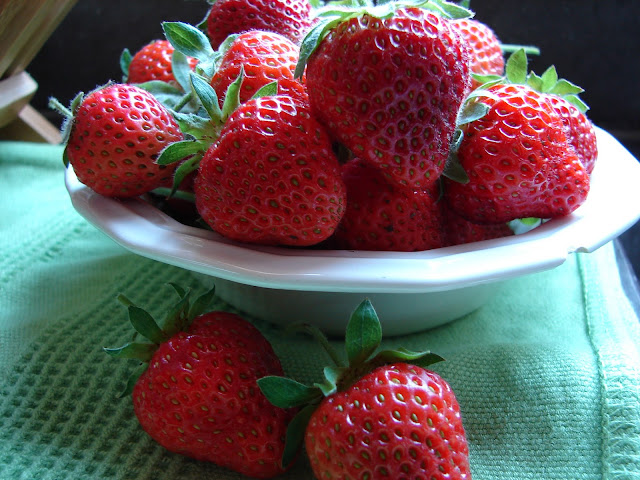
Picture this: a bright July morning in your Utah backyard, you step out and pluck a handful of ripe, sweet strawberries, still warm from the sun. That perfect moment doesn’t happen by accident. It starts with knowing exactly when and how to get those plants in the ground, tailored for Utah’s unique climate. Forget guesswork. This guide gives you the precise steps to make it happen, ensuring a bountiful harvest.
When to Plant Strawberries in Utah: Spring vs. Fall
Choosing the right time to plant is the single most critical decision for strawberry success in Utah. Our state experiences significant seasonal shifts, from hot, dry summers to cold winters with heavy snow in many areas. Both spring and fall planting have distinct advantages and disadvantages that influence establishment, growth, and first-year harvest potential. Understanding these differences will help you decide which window aligns best with your gardening goals and available time.
Most gardeners lean towards a spring planting, and for good reason. Plants set in spring have the entire growing season to establish a robust root system before facing the stress of winter. This strong foundation often leads to better survival rates and more vigorous growth in subsequent years. Fall planting, while less common for new beds, can be a strategic choice for specific varieties or for gardeners looking to get a jump on the following year’s root development, even if the first harvest is minimal.
| Feature | Spring Planting (Late March – Early May) | Fall Planting (Late August – Early October) |
|---|---|---|
| Establishment Time | Full growing season (April-Oct) | Short window before dormancy (Sept-Nov) |
| First Year Harvest | Minimal, often recommended to remove flowers for plant vigor | No significant harvest; focus on root development |
| Winter Survival | Excellent, with proper mulching | Good, with sufficient root establishment and protection |
| Runner Production | High, allowing for bed expansion | Lower, as plants focus on root growth |
| Plant Availability | Widely available as bare-root crowns | More limited, often potted plants or specific bare-root orders |
| Watering Needs | Consistent, especially through summer heat | Moderate, reducing as temperatures drop |
Spring Planting Advantages
Spring planting, specifically from late March through early May, is often recommended for most Utah gardeners. The warming soil temperatures and increasing daylight hours provide an ideal environment for young strawberry plants to establish quickly. You’ll typically find a wider selection of bare-root varieties at local nurseries and garden centers during this time. The plants get a full season to develop strong root systems and healthy foliage, which is crucial for long-term productivity. While you’ll likely sacrifice a significant harvest in the first year by pinching off flowers to divert energy to root growth, this investment pays off with much larger yields in subsequent years.
Fall Planting Considerations
Fall planting, usually from late August to early October before the first hard freeze, is a less conventional but viable option. It allows plants to establish some root growth before going dormant for winter. The cooler temperatures reduce transplant shock, and natural rainfall can lessen initial watering needs. However, the limited daylight and dropping temperatures mean less top growth. You won’t get a harvest the following spring, as plants will still be developing. The primary benefit is that the plants are already in place and ready to explode with growth and fruit production the second year, potentially earlier than spring-planted ones. Availability of bare-root plants can be trickier in fall; you might find more success with potted plants or by ordering specific bare-root varieties online well in advance.
Choosing the Right Strawberry Varieties for Utah
Selecting the correct strawberry variety is crucial for success, especially in Utah’s diverse climate zones. Not all strawberries are created equal, and some will perform much better than others given our specific growing conditions, including cold winters, hot summers, and often alkaline soils. There are three main types of strawberries, each with unique fruiting patterns and suitability for different gardening goals.
Understanding the difference between June-bearing, Everbearing, and Day-neutral varieties is the first step. June-bearing plants produce a single, large crop over a 2-3 week period in late spring or early summer, making them ideal for canning, freezing, or making jams. Everbearing and Day-neutral varieties, on the other hand, produce smaller, continuous harvests throughout the growing season, perfect for fresh eating over an extended period. Beyond fruiting habit, cold hardiness is a non-negotiable trait for Utah gardeners, as our winters can drop well below freezing, particularly in mountain valleys and higher elevations.
June-Bearing Types for Main Harvest
These varieties are the workhorses for large, concentrated harvests. They typically produce fruit in June or early July in Utah, depending on your specific elevation and microclimate. They form many runners, which means they spread vigorously and can quickly fill a matted row system. Popular June-bearing varieties known to perform well in Utah include ‘Honeoye’, which is very cold hardy and produces early, firm, flavorful berries. ‘Surecrop’ is another excellent choice, offering good disease resistance and reliable yields. For later harvests, ‘Allstar’ provides large, sweet berries. When planting June-bearers, plan to remove all flowers in the first year to encourage strong root development. This sacrifice leads to significantly higher yields in their second and third years. Most June-bearers are productive for about 3-5 years before needing replacement.
Everbearing and Day-Neutral Options
If you prefer a steady supply of fresh berries over an entire season rather than one large flush, Everbearing and Day-neutral varieties are your best bet. Everbearers produce a spring crop and then a smaller, second crop in late summer or early fall. ‘Ozark Beauty’ is a common Everbearing variety, known for its decent berry size and good flavor, suitable for fresh eating. Day-neutral varieties, like ‘Tristar’ or ‘Seascape’, are even more continuous, producing berries as long as temperatures are between 35°F and 85°F. They don’t produce many runners, making them suitable for container gardening or raised beds where space is limited. With these types, you can often allow a small first-year crop, especially if planted in early spring, but it’s still beneficial to pinch off early flowers for stronger plant establishment. They are generally less cold-hardy than June-bearers but can thrive with proper winter protection.
Cold Hardiness Ratings
Regardless of the fruiting type, always check the cold hardiness rating of any strawberry variety you consider. Most strawberry plants are hardy to USDA Zone 4 or 5, which covers much of Utah. However, specific varieties like ‘Honeoye’ (Zone 3) offer extra insurance against exceptionally harsh winters. In colder parts of Utah (Zones 3-4), prioritizing these more robust varieties is critical. Even with hardy plants, winter mulching is essential for survival, providing insulation against deep freezes and freeze-thaw cycles that can heave plants out of the ground. Pay attention to variety descriptions that specifically mention tolerance to heat and drought, as Utah summers can be brutal, impacting berry quality and plant health.
Preparing Your Strawberry Bed: A Step-by-Step Checklist
Successful strawberry growing begins long before the plants arrive. Proper site selection and thorough soil preparation are non-negotiable. Skipping these steps often leads to weak plants, low yields, and susceptibility to disease. Think of it as building a solid foundation for your berry empire. Investing time here saves you headaches later. The goal is a well-drained, nutrient-rich bed that receives ample sunlight.
This checklist covers everything you need to do to get your strawberry patch ready. Do not cut corners. Each item plays a role in plant health and productivity.
- Step 1: Choose Your Site. Select an area that receives at least 6-8 hours of direct sunlight daily. Strawberries need sun to produce sweet fruit. Avoid low spots where water might collect, as this encourages root rot. Also, rotate your crops; don’t plant strawberries where tomatoes, potatoes, peppers, or eggplant (all in the nightshade family) have grown in the last three years, as they can share common soil-borne diseases.
- Step 2: Test Your Soil. This is critical. Pick up a soil test kit from your local extension office or a garden center. Strawberry plants thrive in slightly acidic to neutral soil, with a pH range of 5.5 to 6.5. Utah soils often lean alkaline, so you might need to amend. The test will also tell you about nutrient deficiencies.
- Step 3: Amend the Soil. Based on your soil test, incorporate organic matter like compost or well-rotted manure generously. Aim for a depth of at least 12-18 inches. This improves drainage in heavy clay soils and water retention in sandy soils. If your pH is too high (alkaline), add elemental sulfur to lower it. If too low (acidic), add lime. Follow the soil test recommendations precisely for application rates.
- Step 4: Ensure Excellent Drainage. If your soil is heavy clay, consider building raised beds. Raised beds offer superior drainage and allow you to control the soil mix entirely. A typical raised bed for strawberries should be at least 8-12 inches deep and about 3-4 feet wide for easy access from both sides. Fill it with a mix of good quality topsoil, compost, and possibly some sand if drainage is still a concern.
- Step 5: Prepare for Irrigation. Strawberries need consistent moisture, especially during fruiting. Install a drip irrigation system or soaker hoses *before* planting. This delivers water directly to the root zone, minimizing water waste and reducing the risk of fungal diseases that can occur with overhead watering. Lay out your system, ensuring uniform coverage across the bed.
- Step 6: Clear Weeds. Thoroughly remove all weeds and perennial grasses from the planting area. Strawberries don’t compete well with weeds, especially in their establishment phase. Consider solarizing the bed with clear plastic for a few weeks prior to planting if you have a severe weed problem.
- Step 7: Level and Rake. Once amendments are incorporated, rake the bed smooth and level. This provides an even surface for planting and ensures consistent access to water and nutrients for all plants.
How to Plant Bare-Root Strawberries Correctly
Bare-root strawberry plants are dormant crowns without soil around their roots. They are the most common and economical way to start a new strawberry patch. Handling and planting them correctly is crucial for their survival and future productivity. The process is straightforward but demands attention to detail, particularly regarding root placement and planting depth. Treat these plants gently; they’re essentially sleeping and need careful waking up.
When your bare-root plants arrive, they might look like small, dry bundles of roots and a tiny crown. Don’t worry; they’re alive. Proper rehydration and careful planting ensure they wake up and thrive in their new home. You’ll want to work quickly but methodically, especially on a sunny or windy day, to prevent the roots from drying out further.
Root Preparation
Upon receiving your bare-root strawberries, immediately open the package. If you’re not planting them within a few hours, keep them in a cool, dark place, like a refrigerator, ideally wrapped in slightly damp newspaper or peat moss. Before planting, soak the roots in a bucket of room-temperature water for 20-30 minutes. This rehydrates them after their journey and helps reduce transplant shock. While they are soaking, prune any excessively long or damaged roots to about 4-6 inches. A clean cut encourages new root growth. Discard any plants that show signs of mold or rot.
Planting Depth is Key
Dig a hole large enough to accommodate the roots without bending or crowding them. Create a small mound of soil in the center of the hole. Place the strawberry crown on top of this mound, spreading the roots down and out over the soil. The critical part here is planting depth: the crown, which is the thick part of the plant where the leaves emerge, must be planted exactly at soil level. If it’s too deep, the crown can rot. If it’s too shallow, the roots can dry out. The base of the crown should be level with the surrounding soil. Gently backfill the hole with soil, firming it lightly around the roots to remove air pockets.
Initial Watering
Immediately after planting, give your new strawberry plants a thorough watering. This settles the soil around the roots and provides much-needed moisture. Use a gentle stream of water to avoid displacing the newly planted crowns. Continue to monitor soil moisture closely for the first few weeks. The soil should remain consistently moist but not waterlogged. Check the soil daily by sticking your finger an inch or two deep; if it feels dry, it’s time to water again. Adequate moisture is vital for root development and successful establishment.
First Month Care: What Strawberries Need Right After Planting
The first 30 days after planting are critical for establishing a healthy, productive strawberry patch. How you care for your plants during this period will largely dictate their long-term vigor and ability to produce fruit. It’s a time for attentive observation and consistent care, ensuring the young plants overcome transplant shock and begin to grow strong roots and foliage. Think of it as nursing a newborn—they need constant, gentle attention.
Many new gardeners make the mistake of assuming the hard work ends with planting. In reality, it’s just beginning. Focusing on correct watering, flower removal, and early nutrient management will set your plants up for years of delicious harvests. Ignore these steps, and you risk a weak, disease-prone patch with disappointing yields.
How much water do they need?
Strawberry plants need consistent moisture, especially during their establishment phase. For the first two to four weeks, aim for approximately 1-1.5 inches of water per week, delivered through drip irrigation or soaker hoses. This amount might need adjusting based on rainfall and local temperatures. The soil should feel moist a few inches down, but never soggy. Overwatering can lead to root rot, while underwatering stresses the plant and hinders root development. Check the soil moisture daily, especially during hot, dry spells, and water deeply when the top inch or two of soil feels dry. Remember, consistent moisture is more important than sporadic drenching.
Should I remove flowers?
Yes, for most varieties and especially for spring-planted June-bearers, removing all flowers for the first growing season is a non-negotiable step. This practice, often called “pinching off flowers,” redirects the plant’s energy from fruit production into developing a robust root system and strong foliage. While it might feel counterintuitive to remove the very thing you want, this sacrifice in the first year leads to significantly larger and more abundant harvests in subsequent years. For Everbearing and Day-neutral varieties, you can sometimes allow a small first crop, but it’s still often beneficial to remove flowers for the first 4-6 weeks after planting to ensure good root establishment. After that initial period, you can let them flower and fruit.
When can I fertilize?
Avoid fertilizing your newly planted strawberries for the first 3-4 weeks. The rich, amended soil you prepared should provide sufficient nutrients for initial growth. Introducing too much fertilizer too soon, especially high-nitrogen fertilizers, can burn delicate young roots or encourage excessive leafy growth at the expense of root development. After this initial period, if your soil test indicated deficiencies, you can apply a balanced, slow-release granular fertilizer (like a 10-10-10 or 5-10-10) at a reduced rate, or a liquid feed at half strength. Organic options like fish emulsion or compost tea are also excellent choices for a gentle nutrient boost. Always water thoroughly after applying any fertilizer to help it reach the roots and prevent burning.
Winterizing Your Utah Strawberry Plants is Non-Negotiable
Ignoring winterization in Utah is a direct path to dead strawberry plants. Our cold winters, combined with fluctuating temperatures and often insufficient snow cover, create conditions that can easily kill off unprotected plants. You simply cannot skip this step if you want to harvest berries next year. It’s not just about freezing temperatures; it’s about preventing the freeze-thaw cycles that can heave plants out of the ground, exposing their roots to drying winds and fatal cold. Proper mulching is the single most important task you’ll perform in the fall for your strawberry patch.
Mulch Application Timing
Timing is everything when it comes to applying winter mulch. Do not apply mulch too early. Wait until your strawberry plants have experienced several hard frosts (temperatures consistently below 28°F) and the foliage has died back, but before the ground completely freezes solid. In most parts of Utah, this usually means late October to late November. If you mulch too early, while plants are still actively growing, you risk trapping too much warmth and moisture, which can encourage fungal diseases or rodent activity. The goal is to insulate the dormant crowns, not to keep them growing.
Material Choices for Protection
The best mulching material is a loose, insulating, and weed-free option that won’t compact easily. Straw, specifically clean, weed-free cereal straw (like wheat or oat straw), is the gold standard. Apply a layer 4-6 inches thick over the entire strawberry bed. This depth provides excellent insulation. Other suitable materials include pine needles or shredded leaves, but ensure they are not heavily compacted. Avoid using sawdust or wood chips, as they can tie up nitrogen in the soil. In spring, once the danger of hard frost has passed (typically late March to early April), you’ll rake back about half of the mulch from over the crowns, leaving a thinner layer between the plants to suppress weeds and retain soil moisture. If heavy snow cover is reliable in your area, that also provides excellent natural insulation, but a layer of straw is still a wise backup.
The Single Best Planting Window for Utah Strawberries
For most Utah gardeners, the absolute best time to plant strawberry plants is in **early spring**, specifically from late March through early May. This window allows the plants ample time to establish a robust root system before the stress of summer heat and ensures excellent winter survival. While fall planting is an option, spring planting consistently yields the strongest plants and the most bountiful harvests in subsequent years. Focus on getting those bare-root crowns in the ground as soon as the soil is workable.