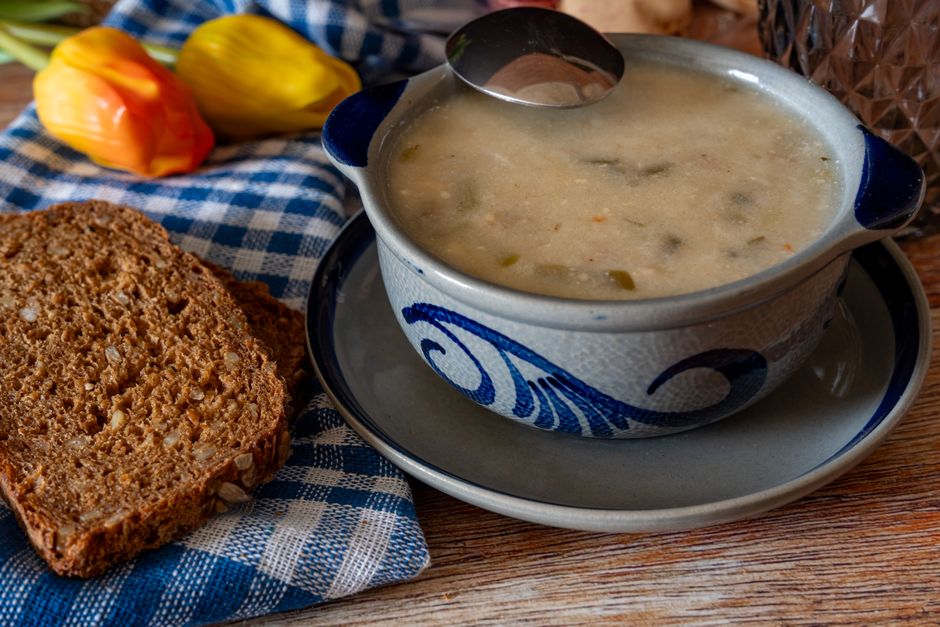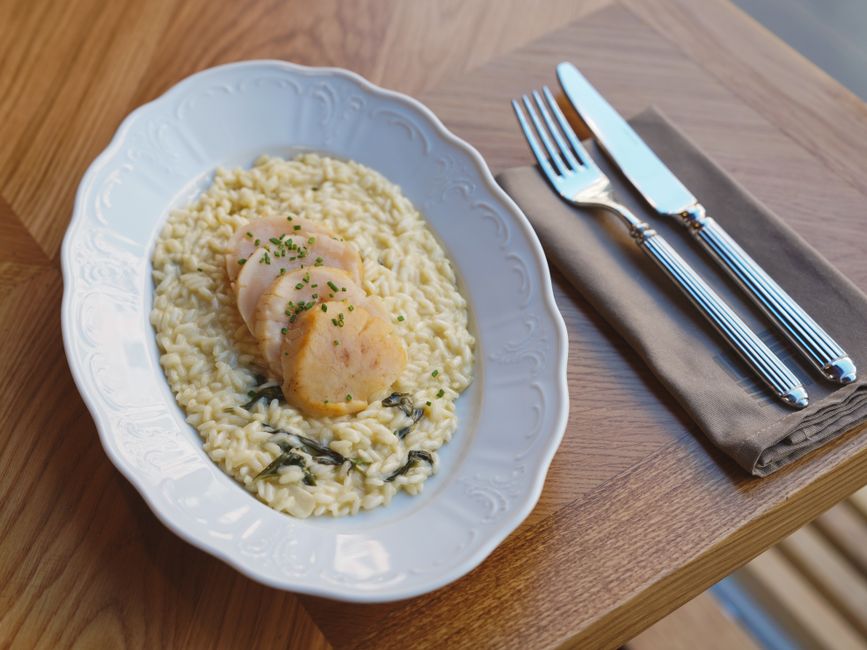
One cup of dry risotto rice can absorb roughly three cups of stock, yet the pot still needs only about 18 to 22 minutes of cooking. That narrow window is why mushroom risotto feels harder than its ingredient list suggests. The real problem is rarely the rice itself. It is usually cold stock, a pan that is too narrow, mushrooms that release water at the wrong time, or nonstop stirring that breaks the grains before they turn creamy.
This guide treats risotto like a small kitchen investment: measure the inputs, watch the timing, and reject advice that sounds impressive but produces glue. The best method uses hot stock, moderate stirring, separate mushroom browning, and a final rest. This is not financial advice, but it is a practical way to protect your dinner budget.
Why constant stirring is a bad risotto rule
The better stirring verdict
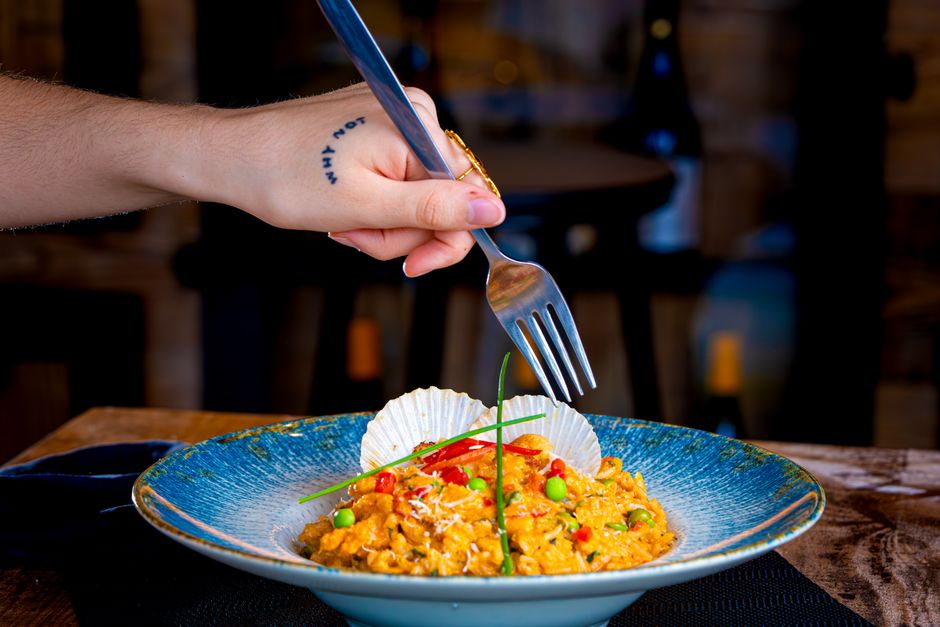
Do not stir risotto without stopping; stir every 20 to 30 seconds, scrape across the base, and pause while the rice absorbs the liquid, because nonstop movement does not create all the creaminess and can break the grains into a pasty sauce while also lowering the pan temperature each time you lift and move the rice.
What the rice actually needs
The rice needs enough friction to rub starch into the stock, but it also needs quiet time for the liquid to reach the center of each grain, so the winning rhythm is one slow sweep around the pan followed by several seconds of rest, with extra attention after each stock addition because that is when rice can stick to a hot stainless-steel surface.
The clear choice is controlled stirring: use a wooden spoon or silicone spatula, move from the outside edge toward the center, and never beat the pan as if you were whisking eggs; if the rice sits in a loose wave and the liquid disappears in about 45 to 60 seconds, your heat and movement are in the right range, while a dry pan in 20 seconds needs lower heat and a soupy pan after two minutes needs more heat or a longer pause before the next addition.
Seven risotto mistakes that cost you creaminess
Failure modes to remove from the process
- Using cold stock: Cold liquid drops the pan temperature and creates a stop-start simmer. Keep stock in a small saucepan at a steady low heat.
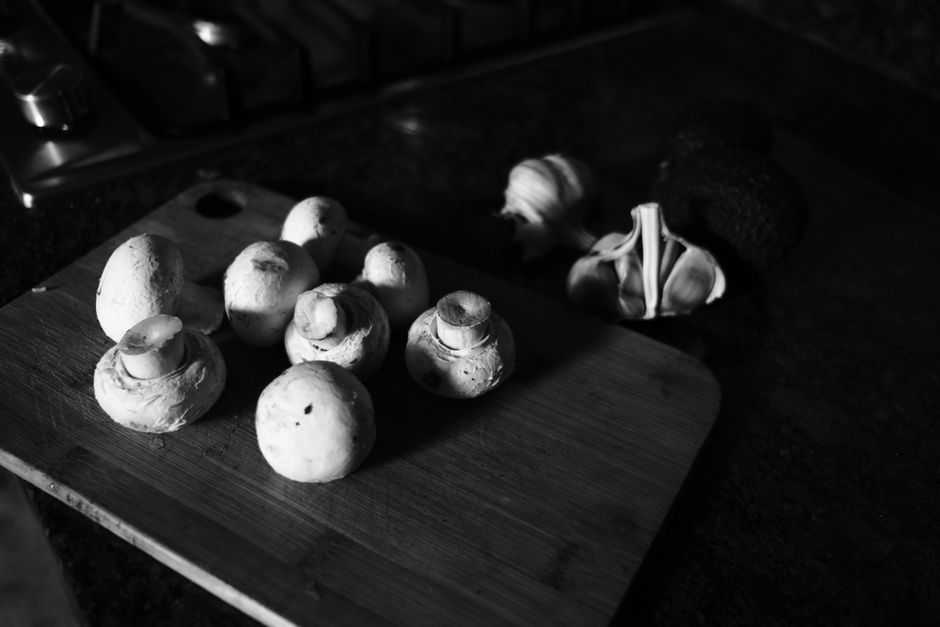
- Overcrowding the mushrooms: A full skillet steams mushrooms instead of browning them. Cook in two batches if the pieces touch.
- Rinsing the rice: Washing removes surface starch, which is one of the tools that makes risotto creamy. Rinse only if a recipe specifically calls for a different rice dish.
- Adding all the stock at once: This produces boiled rice with a thin sauce. Gradual additions give the grains time to release starch.
- Using high heat: Fast boiling can leave an undercooked center and a scorched base. Medium heat gives you more control.
- Adding Parmesan too early: Cheese cooked for 20 minutes can turn stringy and dull. Add it after the pan leaves the heat.
- Skipping the final rest: Serving immediately makes the sauce look loose and uneven. Two minutes under a lid gives the starch time to settle.
When not to rescue the batch
Do not keep adding stock to rice that is already soft and broken. That only produces a thinner version of the same problem. If the bottom is burned, move the unburned risotto to a clean pan without scraping. If the mushrooms taste watery, brown a fresh small batch and use it as a topping instead of forcing the wet pieces through the sauce.
Verdict: The most expensive mistake is not using the wrong rice; it is trying to fix poor heat control with more liquid. Texture gives you better evidence than a timer alone.
Which rice, pan, and stock earn their shelf space?
My clear pick is Carnaroli rice in a wide, heavy pan with homemade or low-salt stock. It costs more than basic Arborio, but the grains stay firmer and give you a larger margin for error. For a normal supermarket batch, Riso Gallo Arborio Rice, sold in a 1 kg bag, is the practical value choice. Bob’s Red Mill Arborio Rice, commonly sold in a 27 oz package, is easy to find and works well when the cooking time is watched closely. Lundberg Organic Arborio Rice, often sold in a 32 oz bag, suits cooks who prioritize organic sourcing, but it does not automatically create a better texture.
Rice: choose the grain that matches your margin for error
Choose Carnaroli for dinner parties because it resists overcooking. Choose Arborio for weeknight cooking because it releases starch quickly and is widely available. Choose Vialone Nano for a looser, more fluid risotto. The verdict is simple: Carnaroli wins for control, Arborio wins for cost and convenience, and Vialone Nano wins when you want a softer regional style.
Stock: flavor matters more than a premium label
Better Than Bouillon Roasted Mushroom Base comes in an 8 oz jar and delivers concentrated mushroom flavor, but it can push sodium too high if you add it by eye. Kettle & Fire Chicken Bone Broth is sold in a 32 oz carton and gives a rich result for cooks who are not making a vegetarian dish, though its price is harder to justify for a casual weeknight bowl. For vegetarian risotto, use a low-salt vegetable stock and add mushroom trimmings, thyme stems, and a Parmesan rind while it warms.
Pan: wide beats fashionable
A 3.75-quart Staub Cocotte holds a two-to-four-serving batch comfortably and retains heat well. A 5.5-quart Le Creuset Round Dutch Oven works for four to six servings, but its taller sides make evaporation slower than in a wide sauté pan. The best pan is the one that lets the rice sit in a shallow layer, roughly 1 to 1 1/2 inches deep. Spend on a heavy base before spending on a famous logo.
Here is the financial reality: a pantry batch may cost $8 to $18, while carrying that purchase on a card at 19.99% to 29.99% APR can add roughly $0.13 to $0.45 in interest for 30 days on a $10 to $18 balance, assuming no payment is made; a late fee of $0 to $39 matters far more than the price difference between two rice brands. This is not financial advice. It is a reminder that a dependable technique usually saves more money than premium packaging.
Bottom Line: Buy Carnaroli when texture insurance matters, Arborio when value matters, and a low-salt stock when you want control over the final seasoning.
Mushroom risotto questions readers ask before cooking
Does risotto need constant stirring?
No. Stir every 20 to 30 seconds and after each stock addition, then let the rice sit briefly. Constant stirring can break grains and cool the pan, while no stirring at all can leave a layer stuck to the base.
Should mushrooms go in early or late?
Brown most mushrooms separately and add them during the final 5 minutes. This keeps their roasted flavor intact and prevents their water from diluting the rice. A small amount of finely chopped mushroom can go into the base early for deeper flavor, but a full batch belongs in the skillet first.
Can carton stock work for risotto?
Yes, if it tastes good before it reaches the rice. Warm it in a separate saucepan, taste for salt, and dilute very salty stock with water. Stock that tastes aggressively salty will become even more concentrated as the rice absorbs liquid and the pan evaporates.
What should you do if the rice is still crunchy?
Add 1/4 cup of hot stock, stir for 30 seconds, and cook for another 2 to 3 minutes before tasting again. If the rice is soft but the sauce is thin, stop adding liquid and let the pan rest uncovered. Do not solve a texture problem by adding butter alone; butter adds richness, not hydration.
The final comparison is straightforward. Use the option that matches the result you want, not the label that sounds most expensive.
| Cooking situation | Best choice | Reason |
|---|---|---|
| First attempt | Arborio rice and low-salt vegetable stock | Affordable, easy to monitor, and forgiving |
| Firm restaurant-style grains | Carnaroli rice and a wide heavy pan | Better texture control during the final minutes |
| Deep mushroom flavor | Separate mushroom browning plus mushroom stock base | Concentrates flavor without watering down the rice |
| Vegetarian dinner | Vegetable stock, Parmesan, and olive-oil-browned mushrooms | Balances savoriness without chicken stock |