
Why butternut squash soup tastes creamy without cream
The best butternut squash soup without cream gets its silky body from roasted squash, enough cooking liquid, and a proper blend—not from dairy. Cream can soften sharp flavors, but it also dulls the squash and adds weight. A well-made dairy-free version tastes brighter, sweeter, and more like autumn.
Roasting builds the flavor base
Raw squash becomes tender in a pot, but roasting gives it browned edges and concentrated sweetness. Cut one medium butternut squash into 1-inch cubes, toss it with 1 tablespoon of olive oil, and roast at 425°F for 30 to 35 minutes. The cubes should show brown spots and yield easily when pierced. Those browned spots carry more flavor than another splash of cream ever could.
Starch and fat create the smooth texture
Butternut squash contains enough natural starch to thicken soup after blending. Onion adds sweetness, while a small potato makes the texture more stable if your squash tastes watery. Use 4 cups of stock for roughly 2 pounds of peeled squash. Add 1 tablespoon of olive oil or butter at the start, then blend the finished soup until the liquid moves in a smooth vortex. Too much stock produces thin soup; too little leaves a paste that cannot circulate.
Acid matters too. Add 1 to 2 teaspoons of apple cider vinegar or lemon juice at the end. The soup should taste sweet, savory, and lightly sharp rather than flat.
The exact ratio and method for a smooth batch
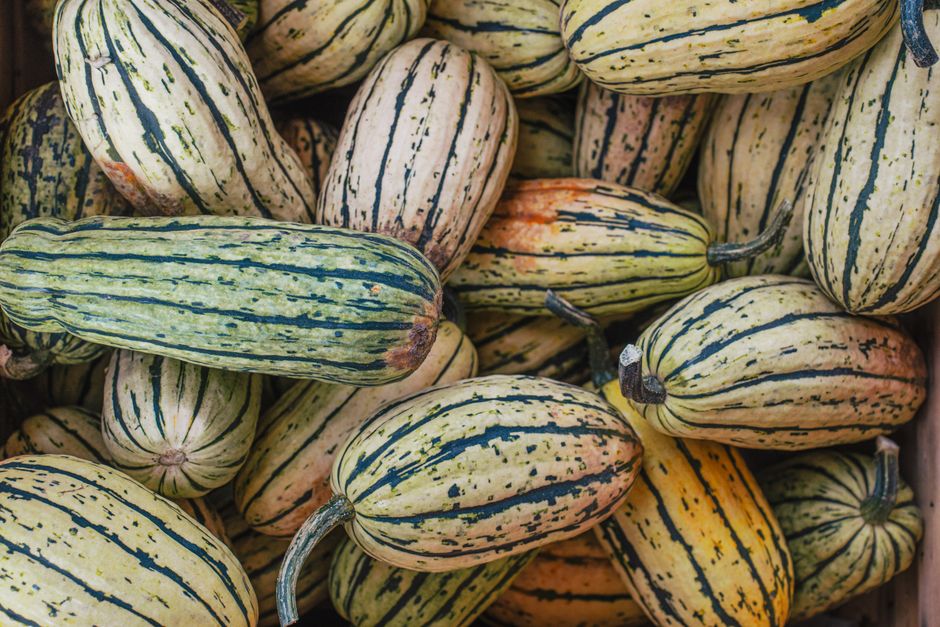
Use the table as a reliable four-to-six serving formula. The squash weight refers to peeled, seeded flesh, not the whole vegetable.
| Ingredient | Amount | Purpose |
|---|---|---|
| Butternut squash | 2 pounds, peeled and cubed | Sweet body and natural starch |
| Yellow onion | 1 medium, diced | Savory sweetness |
| Garlic | 3 cloves, minced | Depth |
| Olive oil | 2 tablespoons | Roasting and richness |
| Vegetable stock | 4 cups | Liquid and seasoning |
| Kosher salt | 1 1/2 teaspoons, plus more | Brings out the squash |
| Apple cider vinegar | 1 teaspoon | Balances sweetness |
| Ground nutmeg | 1/8 teaspoon | Warm spice |
- Roast the squash at 425°F for 30 to 35 minutes.
- Cook the onion in 1 tablespoon of oil over medium heat for 8 minutes. Add garlic for 30 seconds.
- Add squash, stock, salt, and nutmeg. Simmer uncovered for 10 minutes.
- Blend in the pot or in batches until completely smooth.
- Stir in vinegar, taste, and adjust salt. Add stock 2 tablespoons at a time if the soup is too thick.
Do not boil the soup hard after blending. A gentle reheat keeps the texture smooth and prevents the bottom from catching.
Which blender makes the smoothest soup?
For most home cooks, an immersion blender is the sensible winner because it blends directly in the cooking pot and avoids transferring hot liquid. A countertop blender can create a finer finish, but it costs more and demands extra care.
| Blender | Typical 2026 price | Useful detail | Best choice for |
|---|---|---|---|
| Breville Control Grip BSB510 | $149.95 | Anti-suction base and 42-ounce jug | Frequent soup makers who want control |
| Vitamix 5200 | $499.95 | 64-ounce container, 2 HP motor, 7-year warranty | The finest texture and large batches |
| KitchenAid KHBV53 | About $99 | Five speeds and removable blending arm | Small kitchens and occasional batches |
| NutriBullet Immersion Blender | About $59.99 | Compact hand blender for light-duty use | Low-cost starter setup |
The Breville Control Grip is my pick for regular soup cooking. Its anti-suction design helps the blade move through thick squash instead of pulling the blender down into the pot. Choose the Vitamix 5200 if you also make smoothies, nut butter, or large blended batches; buying one just for soup is hard to justify at $499.95. The KitchenAid is a better value for a few batches each season.
Five mistakes that make squash soup thin or dull
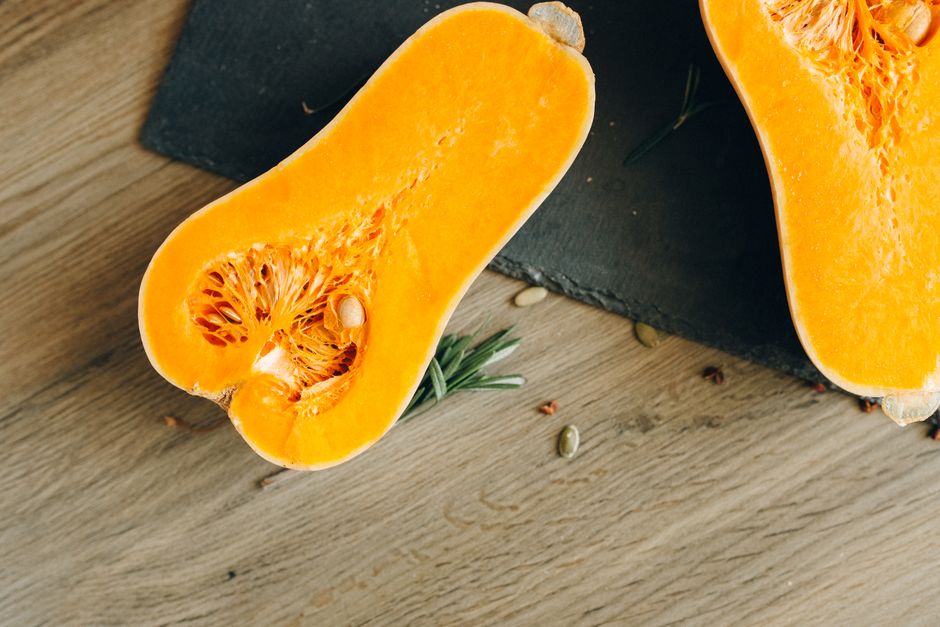
The recipe is forgiving, but these errors change the result quickly. My verdict: fix the cooking sequence before adding more cream, stock concentrate, or sugar.
- Boiling the squash in too much water. Waterlogged squash loses flavor and leaves you chasing thickness later. Roast it, or simmer it with the measured 4 cups of stock.
- Adding all the stock at once. Start with 3 1/2 cups and add the last 1/2 cup after blending. This gives you control over the final body.
- Under-seasoning before blending. Squash tastes sweet, so it needs enough salt to keep the soup from tasting like purée. Add salt in two stages: during cooking and after blending.
- Using burnt garlic. Garlic turns bitter fast. Add it after the onion softens, cook it for 30 seconds, and immediately add stock or squash.
- Blending a sealed container of hot soup. Steam expands and can force the lid off. Vent the lid, cover it with a folded towel, and blend in small batches, or use an immersion blender in the pot.
Another common problem is stopping too early. Blend for at least 60 seconds with an immersion blender, moving it slowly through the pot. If the soup still feels fibrous, pass it through a fine-mesh strainer. That extra step helps older or stringier squash.
Questions that change the final flavor
Can I use boxed vegetable stock?
Yes. Pacific Foods Organic Vegetable Broth costs about $4.99 for a 32-fluid-ounce carton and gives a clean, mild base. Use it when you want the squash to lead. For a stronger savory result, Better Than Bouillon No Chicken Base costs about $6.49 for an 8-ounce jar; dissolve a small amount in hot water and taste before adding extra salt. My pick is boxed broth for a delicate soup and concentrated base for a meal served with bread.
Can I make it entirely dairy-free?
Yes. Use olive oil instead of butter and check the stock label. Coconut milk works, but it changes the soup with a clear coconut flavor. I would use 1/2 cup only if you want a tropical or spicy version. For a classic autumn bowl, olive oil gives the cleaner result.
What can replace butternut squash?
Acorn squash creates a nuttier soup but takes longer to peel. Kabocha squash gives the thickest texture and needs less stock. Pumpkin purée works in a hurry, but it lacks the roasted flavor of fresh squash. Choose kabocha when texture matters most; choose canned pumpkin when speed matters more than caramelized flavor.
Why does my soup taste sweet?
Add acid before adding more salt. Stir in 1 teaspoon of apple cider vinegar, taste, and add another teaspoon if needed. A pinch of cayenne or a few grinds of black pepper can add contrast. Do not add maple syrup until the soup already tastes balanced.
My verdict for the best bowl and the best equipment
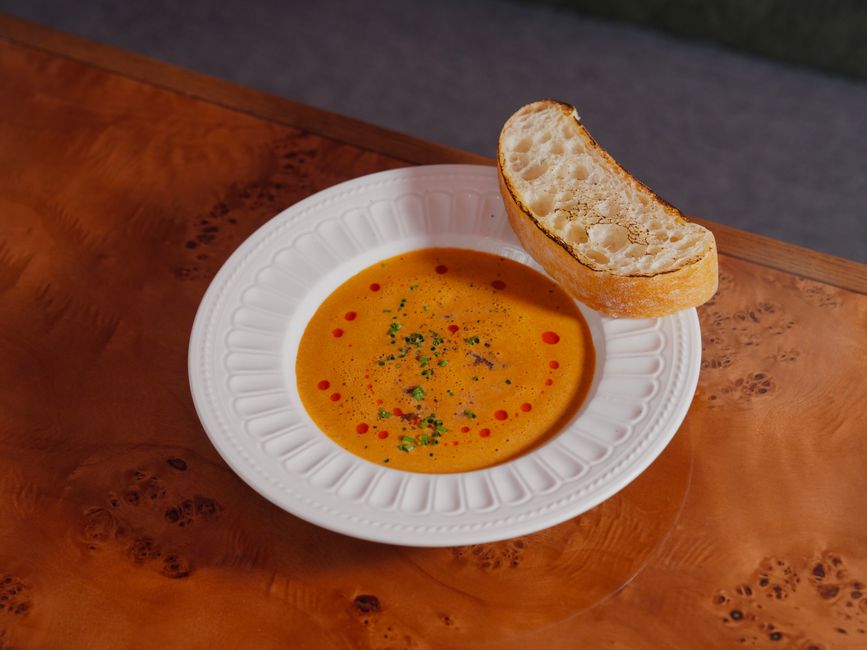
For a silky butternut squash soup without cream, roast the squash, hold back some stock, and blend it with an immersion blender. That method gives the best balance of flavor, safety, cleanup, and cost. The Breville Control Grip BSB510 is the strongest equipment choice for frequent soup makers, while the KitchenAid KHBV53 is enough for occasional autumn cooking. A Vitamix 5200 wins on texture, but its $499.95 price only makes sense if it will handle many other kitchen jobs.
How to finish and serve it
Warm the blended soup gently and adjust salt, vinegar, and thickness one last time. A drizzle of olive oil, toasted pumpkin seeds, chopped parsley, or black pepper adds contrast without hiding the squash. Serve it with sourdough toast, sharp cheddar, or roasted chickpeas. Keep garnishes crisp and salty; the soup already supplies softness and sweetness.
How to store the leftovers
Cool the soup in a shallow container and refrigerate it for up to four days. Reheat it over medium-low heat, stirring often. For longer storage, freeze it for up to three months with a little space at the top of the container. Thaw it overnight in the refrigerator. If the texture looks separated after freezing, whisk in 1 to 2 tablespoons of hot stock while reheating. The flavor usually improves overnight, but the soup may need a fresh splash of vinegar before serving.