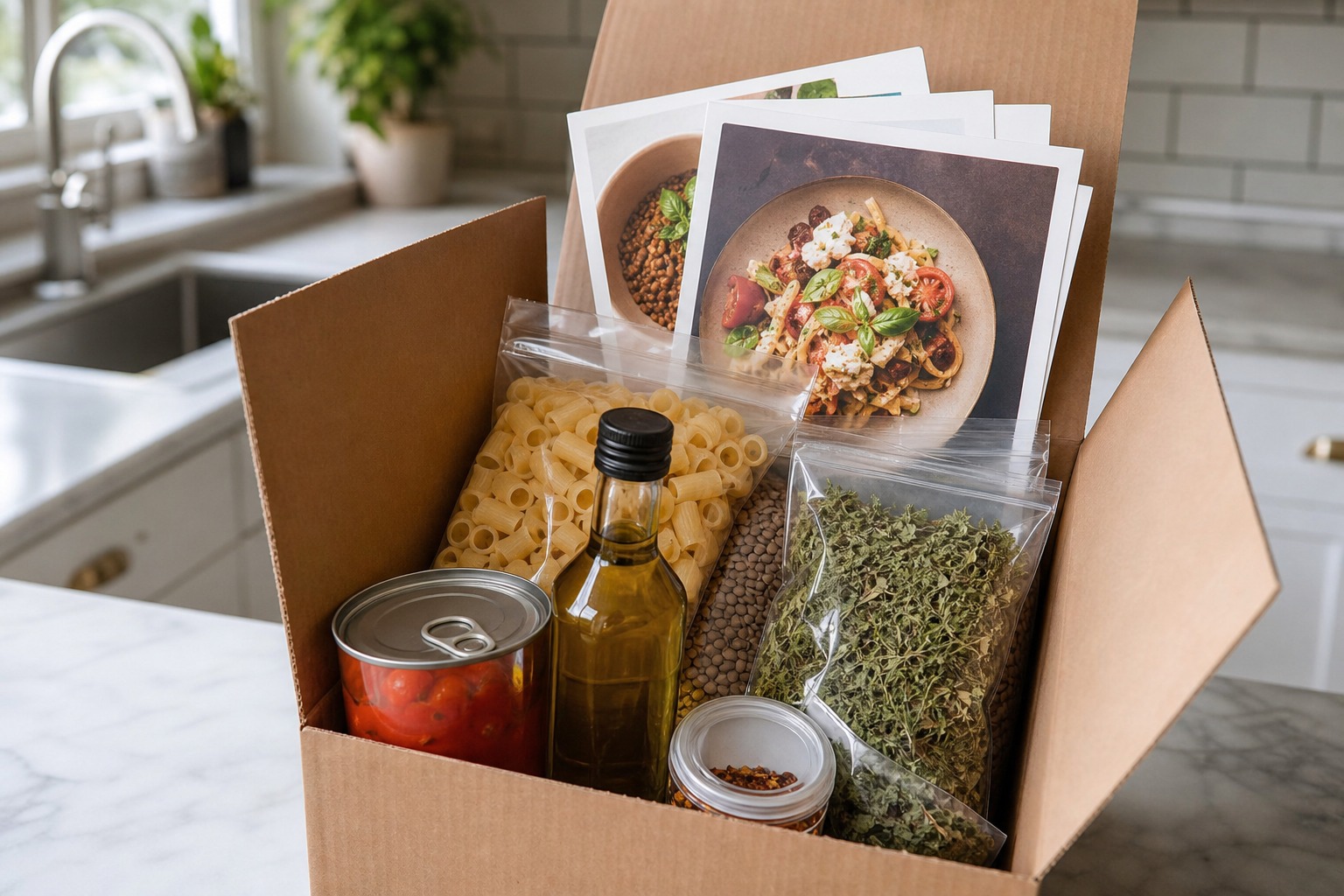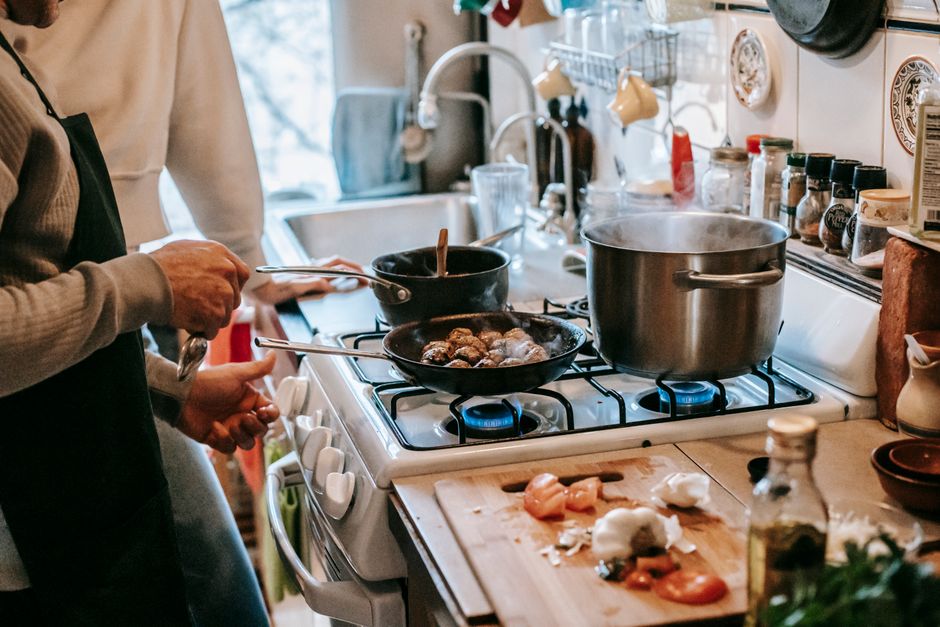
Five weeknight dinners can come from one 90-minute cooking block. That is the useful trick behind freezer-friendly batch cooking: you are not making five complete meals at once. You are preparing a small set of flexible parts that can become soup, pasta, rice bowls, or a quick tray bake later.
The 90-Minute Plan That Actually Survives Autumn
My verdict: cook components, not five identical casseroles. Autumn schedules change. A meal plan that demands the same dinner on Tuesday and Thursday will fail by Wednesday. A freezer system built from cooked grains, roasted vegetables, one sauce, and two proteins gives you options without creating five separate jobs.
Start with one cooking block
Set aside 90 minutes. Use the first 15 minutes to chop onions, carrots, squash, and hardy greens. Roast the vegetables at 220°C or 425°F while a pot of rice, barley, or lentils cooks. During that time, simmer a tomato, bean, or pumpkin-based sauce. Keep the seasoning moderate so each portion can move in a different direction later.
Freeze in useful portions
Pack food in one- or two-serving portions rather than one giant container. One serving works for lunch. Two servings cover dinner for one person or a light meal for two. Label each container with the dish, date, and reheating method. “Bean stew, 6 October, stovetop” beats a mystery brick every time.
Cool food before it hits the freezer
Spread hot food into shallow containers and let steam escape briefly before sealing. Refrigerate it until cold, then freeze it within two days. Smaller portions freeze faster and reheat more evenly. This step protects texture and keeps the freezer from warming everything around the new batch.
What Freezes Well—and What Does Not
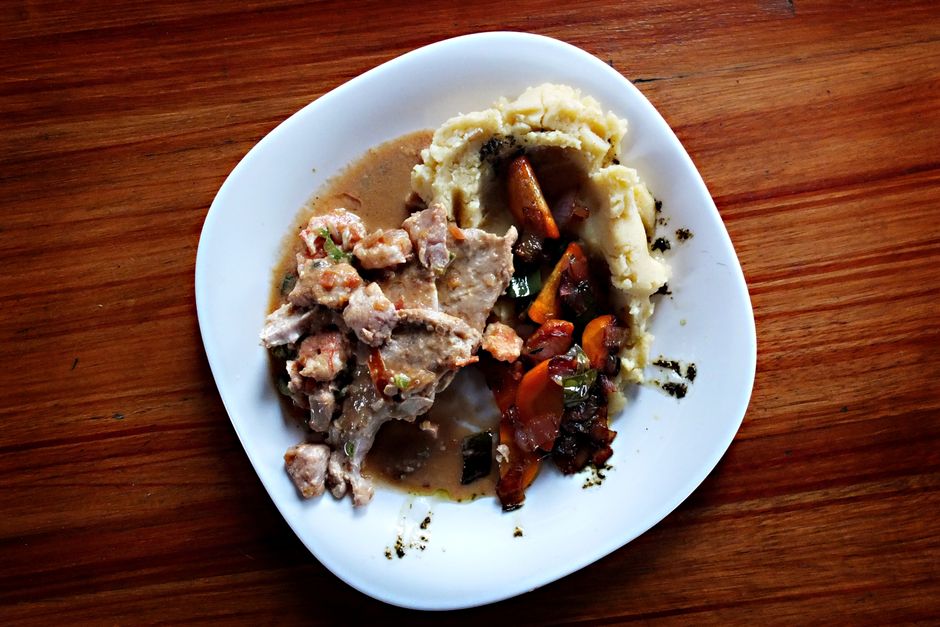
The best freezer meals have enough moisture to survive reheating but not so much water that they turn limp. Use the table as a planning shortcut. My clear winner is stew, soup, or braised beans when you need the safest texture after freezing.
| Food | Freezer result | Best storage time | Reheating move |
|---|---|---|---|
| Bean or lentil stew | Excellent; flavor improves | Up to 3 months | Thaw overnight or heat gently in a pot |
| Tomato pasta sauce | Excellent | Up to 4 months | Warm sauce separately and cook fresh pasta |
| Cooked rice | Good if cooled quickly | Up to 1 month | Reheat with a tablespoon of water |
| Roasted root vegetables | Good but softer | Up to 2 months | Reheat uncovered in a hot oven |
| Mashed potatoes | Good with added fat | Up to 2 months | Stir over low heat with milk or butter |
| Cooked pasta | Fair; can become soft | Up to 1 month | Undercook slightly and reheat in sauce |
| Fresh salad greens | Poor; wilt badly | Do not freeze | Add fresh after reheating |
| Creamy dairy sauce | Risky; may split | Up to 1 month | Freeze the base and add dairy later |
Freeze crispy toppings, fresh herbs, salad leaves, and grated cheese separately. They take seconds to add and make a reheated meal taste newly cooked instead of stored.
Build Meals Around One Strong Base
The best autumn freezer menu starts with a sturdy base, not a recipe pile: choose one pot of beans or shredded meat, one tray of root vegetables, one cooked grain, and one sauce, then turn those parts into different dinners across the week without repeating the same plate; a smoky tomato base can become chili with beans, a sauce for pasta, or a filling for baked potatoes, while roasted squash can sit beside lentils one night and fold into a soup the next; keep two portions plain enough to change direction, because over-seasoning every batch with one strong spice blend is the fastest way to create freezer fatigue; for 2026 meal planning, the strongest system remains the simple one that leaves room for fresh bread, eggs, greens, or a last-minute takeaway without wasting the food already prepared.
Seven Freezer Mistakes That Ruin Good Food
Most freezer failures are planning mistakes, not cooking failures. Avoid these seven.
- Freezing food in deep containers. The center stays warm too long, and the food freezes into a large icy block. Use shallow portions instead.
- Leaving air in the package. Air causes freezer burn and dull flavors. Press out excess air from bags and leave only a small headspace in rigid containers.
- Freezing food while it is piping hot. Hot food warms nearby items and creates condensation. Cool it quickly in shallow portions first.
- Adding fresh garnishes too early. Herbs, greens, crunchy onions, and toasted seeds lose their appeal in the freezer. Keep them fresh and add them after reheating.
- Ignoring the date. Undated food becomes permanent freezer furniture. Write the cooking date and use the oldest meal first.
- Thawing on the counter. Thaw portions in the refrigerator, in cold water changed regularly, or during cooking when the recipe allows it.
- Reheating only the edges. Stir soups, sauces, and grains halfway through heating. Check that the center reaches 74°C or 165°F before eating.
Do not freeze a meal just because it is convenient. If the dish depends on crisp pastry, fresh cucumber, or a delicate emulsion, prepare the cooked filling and finish the fragile part later.
Freezer Batch Cooking Questions, Answered
How many meals should one batch make?
Make four to six portions for a normal workweek. More than that often creates boredom, while fewer portions do not justify the cleanup. For a household of two, six portions can mean three dinners with one fresh side added each night.
Should food be thawed before reheating?
Thaw soups, stews, sauces, and dense portions overnight when you have time. Small portions can go straight into a covered pot over low heat, with a splash of water or stock. Never rush a frozen center with high heat; the outside will burn before the middle is safe.
What is the best first freezer meal?
Start with a tomato and lentil stew. It is cheap, filling, forgiving, and easy to change with rice, bread, pasta, or roasted vegetables. It also teaches the core freezer skills: portioning, labeling, safe cooling, and gentle reheating.
Freezer cooking is moving toward smaller, mix-and-match systems rather than giant meal-prep marathons. That is good news for busy autumn weeks: the future belongs to flexible building blocks that make dinner faster without making every night taste the same.