One-pan chicken thighs with root vegetables should be an easy weeknight dinner, but poor timing often creates pale chicken and hard potatoes. The reliable method is simple: brown the thighs first, cut dense vegetables small, and give every ingredient enough room to roast.
Why this one-pan method works on busy weeknights
Brown the chicken before the vegetables go in. That single decision gives you better skin, deeper flavor, and a more predictable cooking time. Chicken thighs release fat as they cook, so the pan becomes a built-in roasting surface for potatoes, carrots, onions, and parsnips.
Bone-in thighs solve the timing problem
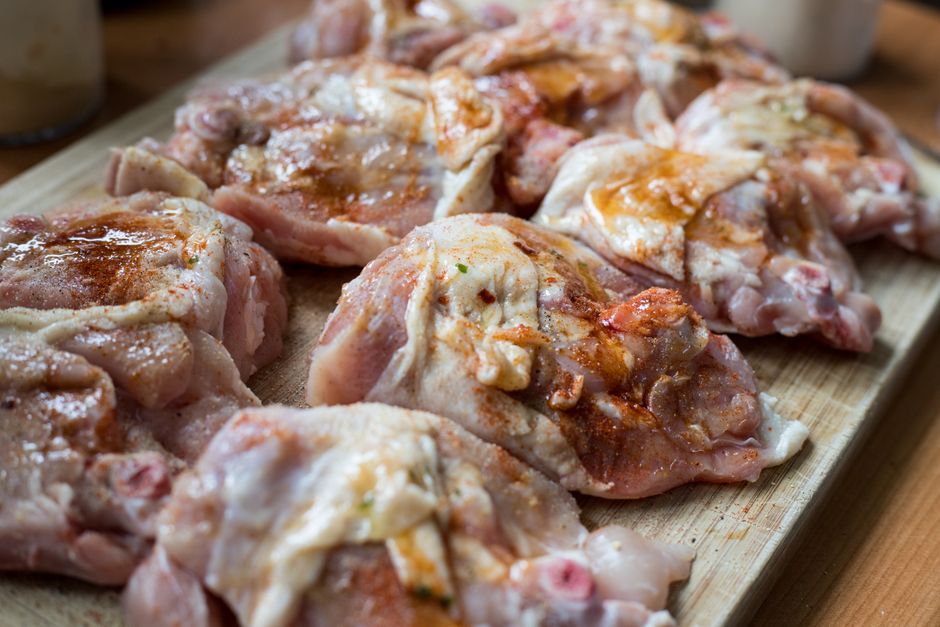
Bone-in, skin-on thighs are the best choice for this dish. They contain enough fat to stay moist during a hot roast, and the bone slows the cooking of the meat closest to the pan. Use six thighs weighing about 6 to 8 ounces each. Pat the skin dry, then season with 1 teaspoon of kosher salt per pound of chicken. Dry skin browns; wet skin steams.
Start the thighs skin-side down in a cold oven-safe pan. Turn the heat to medium and let the fat render for 8 to 10 minutes. The pan should become quiet and golden rather than smoky. Flip the thighs once, cook for 2 minutes, then transfer them to a plate.
Root vegetables need a head start
Root vegetables are not interchangeable. A 1-inch potato cube takes longer than a thin carrot slice, while a wedge of red onion can burn before either one softens. Cut potatoes, carrots, and parsnips into pieces close to 1 inch. Cut onions into thick wedges. Toss them in the rendered chicken fat with pepper, garlic, rosemary, or smoked paprika.
Roast the vegetables alone for 15 minutes at 425°F. Then return the chicken, skin-side up, and roast for another 25 to 30 minutes. The vegetables absorb savory drippings without becoming greasy, and the chicken skin stays exposed to dry heat. Cook the thighs to at least 165°F in the thickest part; 175°F to 185°F gives dark meat a softer, more tender texture.
How to time chicken thighs and root vegetables in one pan
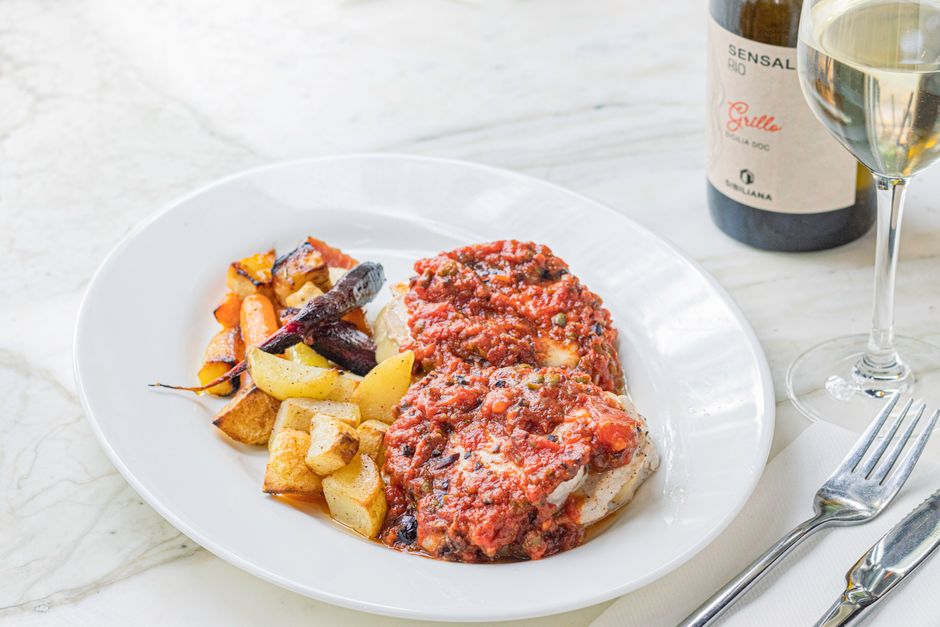
The best weeknight schedule takes about 55 minutes from refrigerator to table. Use the sequence below and keep the pieces close in size. The timing works for potatoes, carrots, parsnips, and onions at 425°F.
The five-step cooking order
- Heat and dry: Set the oven to 425°F. Pat six chicken thighs dry. Cut 1½ pounds of root vegetables into 1-inch pieces.
- Render: Put the chicken skin-side down in a cold oven-safe pan over medium heat. Cook for 8 to 10 minutes, until the skin is deep golden.
- Season: Remove the thighs. Toss the vegetables in the pan with 1 tablespoon olive oil only if the pan looks dry, plus salt, pepper, and 1 teaspoon dried thyme.
- Roast twice: Roast the vegetables for 15 minutes. Add the chicken skin-side up and roast for 25 to 30 minutes more.
- Rest and finish: Check the thickest thigh with an instant-read thermometer. Rest the chicken for 5 minutes while the vegetables stay in the hot pan.
What the pan should look like
Use a single layer. Chicken pieces should have about ½ inch between them, and the vegetables should touch the pan rather than sit in a mound. If the ingredients are crowded, moisture collects at the bottom and the vegetables soften instead of brown.
For six thighs, aim for a pan at least 12 inches wide. If you only have a smaller pan, cook four thighs and reduce the vegetables to about 1 pound. More food does not create more dinner; it creates trapped steam.
Which pan is best for one-pan chicken thighs?
Choose a 12-inch cast-iron skillet for the crispiest skin and deepest browning. Stainless steel is easier to lift and clean, while an enameled braiser gives you more room for sauce. The right pan depends on the cooking style, but a wide, oven-safe surface matters more than a premium label.
| Pan | Key specification | Best use | Main drawback |
|---|---|---|---|
| Lodge L10SK3 Cast Iron Skillet | 12-inch diameter, about 2 inches deep, approximately 8.6 pounds | Best browning and crispest chicken skin | Heavy and needs careful drying after washing |
| Cuisinart MCP22-12N MultiClad Pro | 12-inch, 3-ply stainless steel, oven-safe to 550°F | Fast weeknight cooking and easier handling | Chicken skin can stick if the pan is not preheated correctly |
| Le Creuset Signature Braiser | 3.5-quart capacity, 30-centimeter cooking surface, oven-safe to 500°F | Chicken with gravy or a larger amount of vegetables | High cost and slower heat response |
| Made In Stainless Clad Frying Pan | 12-inch, 5-ply stainless construction, oven-safe to 800°F | Strong searing with a lighter feel than cast iron | Needs more attention during the first sear |
My pick for most home cooks
The Cuisinart MCP22-12N is the most practical choice for regular weeknight use. Its 12-inch surface fits six average thighs and enough vegetables for four people, and its 550°F oven rating leaves plenty of room for this recipe. Stainless steel also makes it easier to build a quick pan sauce from the browned bits.
When cast iron earns its weight
Pick the Lodge L10SK3 if crisp skin is your top priority or your stovetop runs hot and uneven. Cast iron holds heat well when cold chicken hits the pan. It also moves directly from burner to oven without a temperature concern. The tradeoff is real: at nearly 9 pounds before food, it is less comfortable to lift with one hand.
Common mistakes that ruin the chicken and vegetables
Most failures come from moisture, uneven cuts, or a rushed finish. Fix those three problems and the recipe becomes forgiving.
Five mistakes to avoid
- Starting with wet chicken: Moisture blocks browning. Pat the skin and the underside dry before seasoning.
- Using boneless breasts: Breasts cook faster and dry out while the vegetables finish. Use bone-in thighs for this pan meal.
- Cutting vegetables too large: Pieces over 1½ inches may remain firm when the chicken is done. Cut potatoes and parsnips smaller than you think.
- Adding honey too early: Sweet glazes burn at 425°F. Brush on honey, maple syrup, or barbecue sauce during the final 5 minutes.
- Covering the pan: A lid traps steam and softens the skin. Leave the pan uncovered unless you are braising the chicken in liquid.
When a sheet pan is the better choice
Do not buy a deep braiser for this meal if your goal is fast cleanup and maximum vegetable browning. A heavy half-sheet pan gives more surface area, so it works better for eight thighs or a double batch. You lose the concentrated pan drippings, but you gain airflow and more crisp edges.
Use a sheet pan when the pan would be crowded, when you need to feed six or more people, or when you want to roast several vegetables at once. Use a skillet when you want to finish with lemon juice, wine, mustard, or a spoonful of cream.
Questions about one-pan chicken thighs with root vegetables
Can I use sweet potatoes instead of white potatoes?
Yes, but cut sweet potatoes into larger 1¼-inch cubes. They soften faster than waxy potatoes and can collapse during a long roast. Add them with the carrots after the chicken fat has rendered, and check them after 25 minutes. For the best texture, pair sweet potatoes with firm carrots and thick onion wedges.
Should I use boneless chicken thighs?
Use boneless thighs when speed matters more than crisp skin. They usually finish 8 to 12 minutes sooner, but they offer less rendered fat and no skin to protect the meat. Add them after the vegetables have roasted for 15 minutes, then cook until the thickest piece reaches 165°F. For the classic one-pan result, bone-in, skin-on thighs remain the better choice.
What is the clearest final verdict?
For four people and a normal weeknight, use six bone-in, skin-on thighs, 1½ pounds of 1-inch root vegetables, and a 12-inch oven-safe skillet at 425°F. The Cuisinart MCP22-12N is the best all-purpose pan; the Lodge L10SK3 is the best choice for maximum browning. Brown the chicken first, roast the vegetables before returning the thighs, and serve when the meat reaches 175°F to 185°F for the most tender result.