Most gardeners stop planting by October. They assume nothing blooms until April. That assumption costs them four months of color.
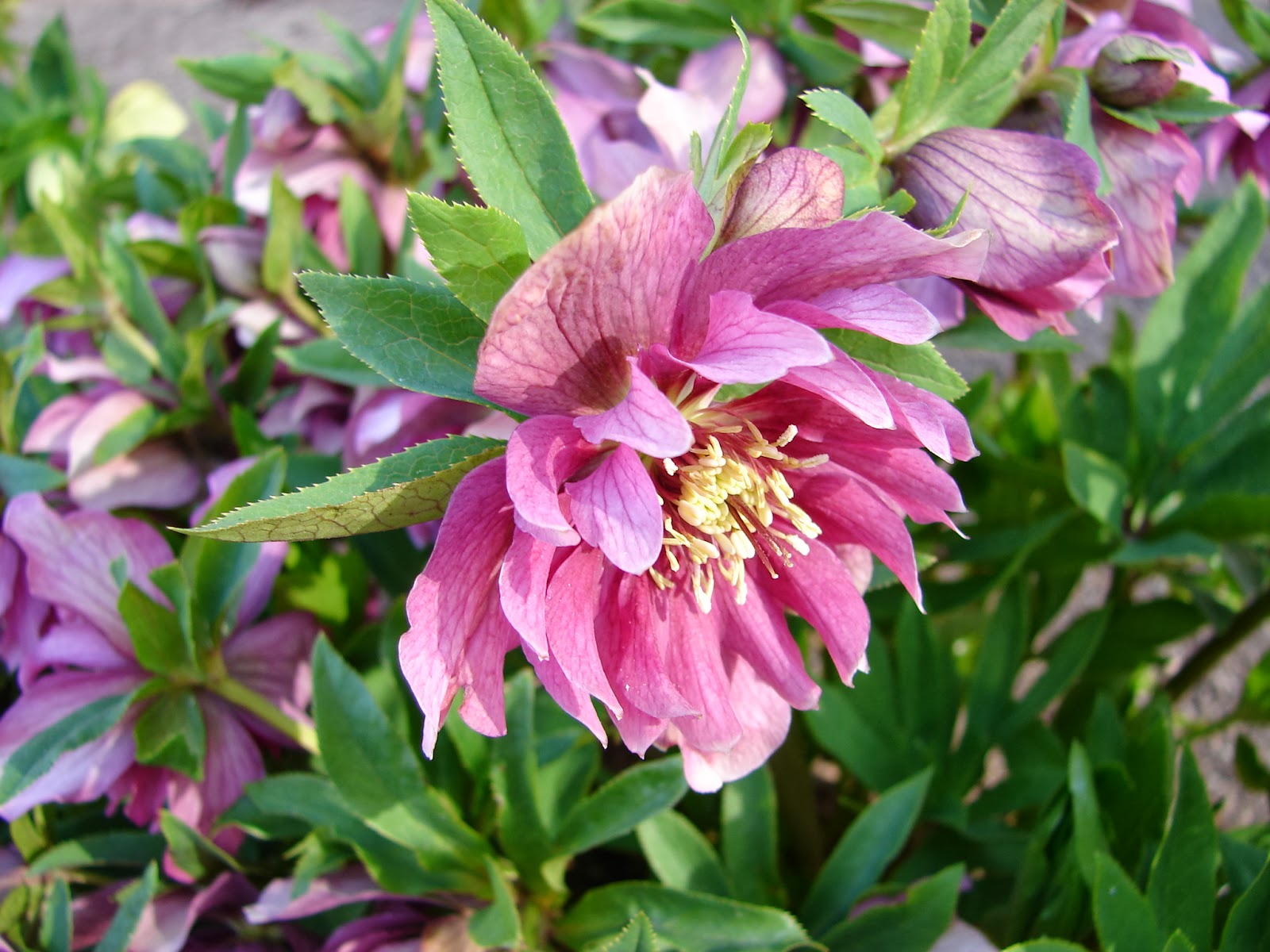
Hellebore Lenten Rose (Helleborus orientalis) flowers when temperatures drop below freezing. It pushes buds through snow. While your neighbors stare at brown mulch, this plant delivers pink, white, and burgundy blooms from January through March.
But here’s the catch: most people kill it within a year. Not because the plant is hard. Because they treat it like a regular perennial. It isn’t.
This guide covers exactly what Hellebore Lenten Rose needs to thrive, which varieties actually perform, and the three mistakes that kill 70% of new plantings.
Why Hellebore Lenten Rose Blooms When Nothing Else Will
Most perennials need warm soil and long days to trigger flowering. Hellebores do the opposite. They evolved under deciduous forest canopies in southeastern Europe, where winter sunlight hits the forest floor before trees leaf out.
Their flowering cycle runs on cold. Helleborus orientalis initiates flower buds in late summer, then holds them dormant through fall. A specific number of chill hours (around 6-8 weeks below 40°F) breaks that dormancy. The plant then flowers regardless of snow cover.
This is why potted hellebores sold in warm greenhouses often fail in gardens. They never got the cold signal. The buds abort. The plant spends energy on leaves instead.
What Temperature Triggers Blooming
Hellebore Lenten Rose starts pushing flowers when soil temperatures hit 35-45°F. Blooms survive down to 20°F. Harder freezes damage petals but not the crown. The plant reblooms from lateral buds once temperatures moderate.
In USDA zones 4-9, this means flowers appear in January (zone 7-9), February (zone 5-6), or March (zone 4). Southern gardeners in zone 8-9 should plant in full shade. Northern gardeners in zone 4-5 need protection from drying winter winds.
The Two Species You Actually See in Nurseries
Three species dominate the market, but only two matter for most gardeners:
| Species | Bloom Time | Hardiness | Best For |
|---|---|---|---|
| Helleborus orientalis (Lenten Rose) | Late winter to early spring | Zone 4-9 | Reliable rebloom, widest color range |
| Helleborus niger (Christmas Rose) | December to February | Zone 3-8 | Earlier bloom, pure white flowers |
| Helleborus foetidus (Stinking Hellebore) | February to April | Zone 5-8 | Foliage structure, green flowers |
For most gardeners, Helleborus orientalis hybrids offer the best performance. The “Winter Jewels” series from Terra Nova Nurseries and “Pine Knot Select” from Pine Knot Farms are proven performers. They bloom reliably, self-seed modestly, and offer flower colors from near-black to apricot.
The Three Mistakes That Kill Hellebore Lenten Rose
I killed my first three hellebores. Not because I ignored them. Because I cared too much.
Here’s what went wrong and what you should avoid.
Mistake 1: Planting in full sun. Hellebores are woodland plants. Direct afternoon sun scorches their leaves, especially in zones 7-9. The plant survives but never thrives. Leaves turn yellow. Flower production drops by half. Solution: Dappled shade under deciduous trees or north-facing beds. Morning sun only. No exceptions for southern gardens.
Mistake 2: Overwatering. Hellebores need well-drained soil. Soggy roots rot within weeks. The first sign is leaf tips turning brown while the crown stays green. Most people respond by watering more. That kills the plant faster. Solution: Water deeply once a week during dry spells. Let the top two inches of soil dry completely between waterings. In clay soil, plant in raised beds or slopes.
Mistake 3: Cutting back foliage in fall. Old hellebore leaves look ratty by December. Gardeners cut them to the ground, thinking they’re helping. That removes the plant’s energy reserves. Flower buds abort. The plant may not bloom at all. Solution: Cut off only the oldest, most damaged leaves in late January. Leave the healthy foliage intact until new growth appears in spring.
How to Choose the Right Hellebore Lenten Rose Variety
Not all hellebores are equal. The “seedling mix” sold at big box stores for $8 produces muddy pink flowers that face downward. You’ll never see them unless you lie on the ground.
Specialty hybrids cost more ($18-$35 per plant) but bloom in clearer colors with upward-facing flowers. Here are the varieties worth your money.
Best for Dark Flowers: ‘Onyx Odyssey’
This Winter Jewels selection produces near-black flowers with a silver sheen. Petals hold their color for 8-10 weeks. The plant reaches 18 inches tall and 24 inches wide. Zone 4-8. Available from Terra Nova Nurseries and specialty retailers like Plant Delights Nursery ($22 per 1-gallon pot).
Best for Pink: ‘Pine Knot Select’ Pink
Pine Knot Farms in Virginia selected this strain for clear pink flowers that face outward, not down. Each plant produces 30-50 flowers per season. The blooms age to a soft rose color. Zone 5-9. Expect to pay $20-$28 for a 1-gallon plant.
Best for White: ‘HGC Pink Frost’
This hybrid from the Helleborus Gold Collection blooms pure white with pink speckles on the inside. Flowers face upward at a 45-degree angle. The plant is compact (12-15 inches) and blooms earlier than most orientalis hybrids. Zone 4-9. Available at most independent nurseries for $25-$30.
Best for Beginners: ‘Winter Thriller’
This Winter Jewels series plant produces large (3-inch) flowers in a mix of colors from a single plant. It self-seeds reliably without becoming invasive. The foliage stays evergreen in zone 6 and warmer. Zone 4-9. Around $20 per plant.
Planting Hellebore Lenten Rose for Long-Term Success
Plant hellebores in fall (September-October) or early spring (March-April). Fall planting gives roots time to establish before winter. Spring planting works if you water consistently through the first summer.
Spacing: 18-24 inches apart. They spread 24-36 inches wide over 3 years. Crowded plants develop powdery mildew.
Soil preparation: Dig a hole twice as wide as the pot and the same depth. Mix in 2 inches of compost or aged manure. Hellebores prefer neutral to alkaline soil (pH 6.5-7.5). If your soil is acidic (pH below 6.0), add a handful of lime at planting time.
Planting depth: Set the crown at soil level. Burying the crown causes rot. Exposing it above soil causes frost damage. Level with the surrounding soil is perfect.
Mulch: Apply 2 inches of shredded bark or leaf mold. Keep mulch 2 inches away from the crown. Mulch touching the stem traps moisture and causes crown rot.
Watering schedule for the first year:
- Weeks 1-4: Every 3-4 days if no rain
- Weeks 5-12: Once weekly
- After 12 weeks: Only during dry spells (2+ weeks without rain)
When NOT to Plant Hellebore Lenten Rose
Hellebores are not universal. They fail in specific conditions. Save your money if any of these apply.
You have heavy clay soil that stays wet. Hellebores rot in standing water. Even the most drainage-improved clay bed may not work. Try Epimedium (barrenwort) instead. It tolerates clay and shade, blooms in spring, and spreads faster.
You need instant impact. Hellebores take 2-3 years to mature into 24-inch clumps. If you want a full bed of winter flowers next season, buy 5 plants per square yard or choose Helleborus foetidus, which grows faster and self-seeds aggressively.
You live in zone 3 or colder. Only Helleborus niger survives zone 3 reliably, and even then with winter protection. Most orientalis hybrids die back to the ground at -20°F. Try Winter Aconite (Eranthis hyemalis) instead. It blooms earlier, survives zone 3, and naturalizes in lawns.
You want flowers that face up. Older hellebore varieties and seedling mixes produce nodding flowers that face the ground. You have to lift the flower to see it. Only modern hybrids like the Winter Jewels and HGC series reliably produce outward or upward-facing blooms.
Hellebore Lenten Rose Maintenance: What Actually Matters
Hellebores need less care than most perennials. But a few tasks make the difference between 20 flowers and 80 flowers.
Remove old leaves in late winter. In late January or early February, cut off all leaves that look damaged or diseased. Leave healthy leaves alone. This exposes the flower buds to sunlight and air circulation. Flower count increases by 30-50% after this single task.
Fertilize once, lightly. Apply a balanced slow-release fertilizer (10-10-10) at half the recommended rate in early spring when new growth appears. Too much nitrogen produces lush leaves and few flowers. Skip fertilizer entirely if you amended the soil at planting time.
Deadhead selectively. Hellebore flowers fade to green and persist for months. Cutting them off improves appearance but reduces self-seeding. If you want more plants, leave the flowers. If you want a tidy look, cut flower stalks at ground level once petals drop.
Divide every 5-7 years. Clumps get woody in the center. Dig up the plant in early fall. Cut through the crown with a sharp knife, ensuring each division has 3-5 growth buds. Replant immediately. Divisions bloom the following winter.
Watch for black spot. Hellebore leaf spot (Microsphaeropsis hellebori) shows as black circular spots on leaves. It rarely kills plants but looks ugly. Remove affected leaves immediately. Improve air circulation by thinning surrounding plants. In severe cases, apply a copper fungicide in early spring before new growth emerges.
The Real Reason Hellebore Lenten Rose Costs More Than Other Perennials
You’ve seen the price tags. A 1-gallon hellebore costs $20-$35. A 1-gallon hosta costs $10-$15. The difference isn’t marketing. It’s propagation time.
Hellebores take 18-24 months from seed to saleable plant. Hostas take 6-8 months from division. Tissue culture (which would speed things up) produces inconsistent flower colors for hellebores. Most nurseries still grow them from hand-pollinated seed or slow division.
The Winter Jewels series from Terra Nova Nurseries requires 14-16 months of greenhouse time. Each plant is hand-selected for flower color and form. The Pine Knot Select strain is open-pollinated but rigorously culled. Only 30% of seedlings make the cut.
That $25 plant represents two years of labor. It will produce 30-50 flowers per season for a decade. Cost per bloom: about 5 cents. That’s cheaper than a single cut rose from the grocery store.
Where to Buy Without Getting Scammed
Avoid “seedling mix” hellebores from big box stores. They’re usually unnamed hybrids with muddy colors and downward-facing flowers. You get what you pay for.
Buy from these sources instead:
- Plant Delights Nursery (North Carolina) – Carries Winter Jewels and HGC series. Ships nationwide. $20-$30 per plant.
- Pine Knot Farms (Virginia) – Original source of Pine Knot Select strain. $18-$28 per plant. Ships in spring and fall.
- Garden Crossings (Michigan) – Good selection of Helleborus Gold Collection. $22-$35 per plant.
- Local independent nurseries – Often carry regionally adapted selections. Ask for named cultivars, not “mixed hellebores.”
Skip Etsy and eBay listings for “rare black hellebores” under $10. They’re almost always mislabeled seedlings that bloom muddy brown.
Hellebore Lenten Rose is the single best investment you can make for winter garden color. Pick the right variety, plant it in shade, and leave it alone.