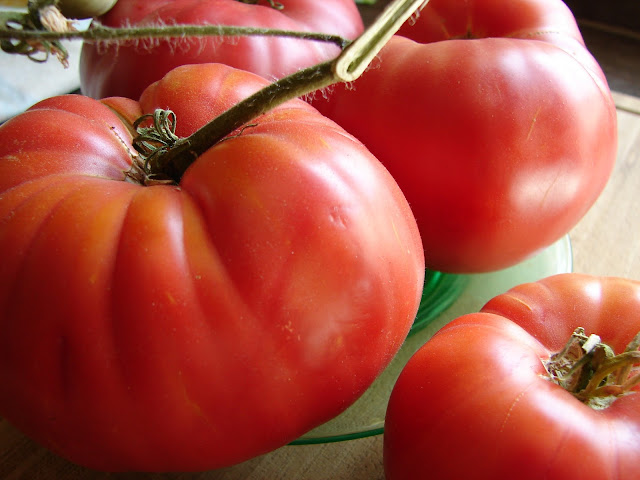
Garden tomatoes hit their peak for roughly a two-week window each season. Miss it and you’re stuck with mealy, flavorless fruit. Hit it right and you have the one ingredient that makes pico de gallo actually worth making.
How to Tell When Your Tomatoes Are Ready to Harvest
Most gardeners watch color. That’s an honest mistake — and it leads to picking too early or too late. Color signals that tomatoes are getting close, not that they’re ready. Tomatoes continue ripening after they start showing color, and that final stage is where all the sugar and acidity develop.
The real indicator is texture. A ripe tomato yields slightly under firm thumb pressure, somewhere between a firm grape and a barely ripe peach. The skin should be taut and glossy, not wrinkled at the shoulders or dull-looking. When you snap a tomato off the vine and it resists briefly before releasing cleanly, that’s a ripe tomato.
The Squeeze Test Explained
Apply gentle pressure at the shoulder — the top of the fruit near the stem. A green tomato feels like a handball: zero give. A ripe tomato compresses about 5–10% before springing back. If your thumb sinks in without resistance, the window has closed. That tomato belongs in a cooked sauce, not fresh salsa.
Color still tells you something useful. Most red varieties — Roma, Celebrity, Jet Star — should show no green patches at the shoulder when fully ripe. Heirloom varieties like Brandywine ripen from green-pink to a deep reddish-brown and never become brick red. If you’re waiting for that bright uniform color on an heirloom, you’ll wait forever and miss the peak.
Harvest Window by Common Variety
- Roma: 75–80 days from transplant. Firm, low moisture. Ideal for chopping and any fresh salsa application.
- Celebrity: 70 days. Classic backyard slicer. Gets mealy quickly if left on the vine a few days past ripe — harvest on the early side.
- Sun Gold (cherry): 57 days. Pick when fully orange with slight softness. Taste one — if it’s sweet with low acid, harvest the whole cluster.
- Brandywine (heirloom): 80–100 days. Slow and worth it for flavor. Plan your pico around the long wait.
- Campari: 70–75 days. Consistently sweet, lower acid than most, widely available as both transplants and in grocery stores year-round.
- San Marzano: 78–82 days. Dense flesh, very few seeds, naturally sweet. Underused by home gardeners for fresh eating — most people cook them and miss out.
What Overripe Looks Like and Why It Matters for Pico
An overripe tomato releases excess liquid the moment you cut into it. That liquid waterloads your pico and makes it soupy within 20 minutes of hitting the bowl. The flesh loses structural integrity too — you stop getting clean quarter-inch dice and start getting pulp. Overripe tomatoes go into sauces, soups, and stews. Not into fresh salsa.
When in doubt, harvest a day early rather than a day late. A tomato picked slightly underripe will finish ripening on your kitchen counter over 24–48 hours. A tomato picked one day past peak won’t recover — it only gets softer.
Which Tomato Variety Makes the Best Pico de Gallo
Roma is the right answer for most people. Not because it’s the most flavorful — Brandywine wins that by a wide margin — but because it has the correct flesh-to-seed-to-moisture ratio for fresh salsa. Dense, low-water flesh with very few seeds means your pico holds its shape and texture instead of turning into a bowl of tomato water with visible chunks floating in it.
| Variety | Flesh Density | Seed Count | Flavor Intensity | Verdict for Pico |
|---|---|---|---|---|
| Roma | High | Low | Medium | Best overall — dense, low moisture, holds shape |
| San Marzano | High | Very low | Medium-high | Excellent — slightly sweeter than Roma, nearly identical texture |
| Campari | Medium | Medium | High | Good if well-drained first; more juice than paste types |
| Celebrity | Medium | Medium | Medium | Works; drain aggressively or it softens fast |
| Brandywine | Low | High | Very high | Best flavor of the group; drain very aggressively or it goes soupy |
| Sun Gold (cherry) | Medium | Low | Very high | Slice in half rather than dice — adds sweetness and color contrast |
| Grape tomatoes | High | Low | Medium | Underrated; dense flesh, easy to prep, holds up well |
| Beefsteak | Low | High | Medium | Wrong tool — high water content, falls apart when diced small |
San Marzano is the strongest alternative if you grew them this season. Nearly identical density and seed count to Roma, with a noticeably sweeter flavor. If you’re buying tomatoes specifically for pico from a farmers market, ask for paste tomatoes — Roma, San Marzano, or Amish Paste are all good bets.
Beefsteak tomatoes of any kind are the wrong tool for fresh salsa, full stop. Great for sandwiches and slicing. Bad for anything that requires the tomato to hold its shape after dicing.
The Pico de Gallo Ratio That Works Every Time
Six ingredients. This is not a recipe that benefits from additions. Classic pico has been diluted by a thousand regional variations, but the original six-ingredient formula is built around balance — each component has a structural role, and when you start adding corn, avocado, or black beans, you’ve made something else. This ratio makes about 2 cups, enough for four people as a starter:
- 4 medium Roma tomatoes — seeded and diced to 1/4 inch, salted and drained first
- 1/2 medium white onion — finely diced by hand, not processed
- 1–2 jalapeños — seeded and minced (substitute one serrano for noticeably more heat)
- 1/2 cup fresh cilantro — roughly chopped, not minced
- Juice of 2 fresh limes — about 3 tablespoons; squeeze them yourself
- 3/4 teaspoon Morton kosher salt — not table salt; the coarser grain distributes differently and seasons more evenly
Salt the diced tomatoes and drain them in a colander for 15–20 minutes before combining anything. Then mix all six ingredients, cover, and let the pico rest another 15 minutes before serving. Both rest periods matter.
Generic tip: If your pico comes out too sharp or acidic, add a small pinch of sugar — no more than 1/4 teaspoon. It won’t make the salsa sweet. It rounds off the hard edge when limes are particularly tart or tomatoes are low in natural sugar. This saves a batch that would otherwise taste unbalanced.
Jalapeño vs. Serrano: Which to Choose
Use jalapeño when cooking for a mixed crowd. It runs 2,500–8,000 Scoville heat units, delivers mild heat most people can handle, and has a familiar flavor profile. Remove seeds and ribs for the lower end of that range.
Use serrano when you want real heat. Serrano registers 10,000–23,000 Scoville units with a brighter, slightly grassier flavor than jalapeño. One small serrano replacing two jalapeños produces a noticeably sharper, more complex pico. Start with half a serrano, taste, then add more.
The Rest Period Most Recipes Skip
Fifteen minutes of rest after mixing transforms the dish. The salt draws moisture from tomatoes and onion. Lime juice penetrates everything. The six ingredients stop tasting like six separate things and start tasting like one cohesive salsa. Skip the rest and you get a bowl of chopped vegetables with lime on top.
One hard limit: don’t refrigerate pico for more than 2 hours after mixing. Past that point, the raw onion sharpness overpowers everything and the tomatoes get progressively mushier. Pico de gallo is a same-day food. Make it, serve it, finish it.
Mistakes That Ruin Homemade Pico de Gallo
Most batches that disappoint trace back to one of these:
- Using grocery store tomatoes in winter. Off-season tomatoes are picked green and ripened with ethylene gas during transit. They turn red. They do not develop flavor. Fresh pico made with January supermarket Romas tastes like almost nothing — watery, flat, pointless. Wait for summer harvest season or don’t make pico.
- Skipping the drain step. Tomatoes are roughly 94% water by weight. Even dense Roma tomatoes release significant liquid when salted and cut. Drain them first: 15–20 minutes in a colander with kosher salt pulls out most of the excess and concentrates the tomato flavor. Skip this and your pico becomes soup within minutes of serving.
- Processing instead of hand-cutting. A food processor minces onion and cilantro into a paste and releases the harsh volatile compounds that hand-dicing leaves intact. Dice the onion by hand. Rough-chop the cilantro with a chef’s knife. Over-processed cilantro turns bitter and slimy; it’s unrecoverable.
- Using bottled lime juice. Bottled lime juice — including RealLime — carries a faint metallic aftertaste from processing and preservatives. In a cooked dish you’d never notice. In fresh pico where lime is a primary flavor, you will notice. Two fresh limes take 30 seconds to juice. Do it.
- Over-dicing the tomato. Aim for 1/4-inch pieces. Smaller than that and the salt rest turns them to mush. Larger than 1/2 inch and the pieces are awkward on a chip and hard to scoop cleanly. Uniformity matters too — uneven pieces salt and drain at different rates.
- Adding too many ingredients. Corn, avocado, black beans, mango — all fine in their own recipes. Pico de gallo is not those recipes. Six ingredients only.
Generic tip: White onion is non-negotiable. Yellow onion is too sweet and lacks the right sharp bite. Red onion has the correct pungency but will tint your pico slightly purple and has a slightly different flavor profile. White onion mellows correctly with lime juice and hits the flavor balance the recipe is built around.
Kitchen Tools That Actually Help at Harvest Time
The right basics make fast work of a large tomato harvest. None of these are complicated.
The Knife That Handles All of It
A sharp 8-inch chef’s knife does everything: dicing tomatoes, mincing jalapeños, chopping cilantro, halving limes. The Victorinox Fibrox Pro 8-inch ($50) is the correct answer for most home cooks — used in professional kitchens, NSF certified, holds an edge well, and sharp out of the box. A dull knife tears tomato skin instead of slicing through it, which releases extra juice before the drain step and turns your pico watery before you’ve even mixed it.
If you cook daily and want an upgrade: the Wüsthof Classic 8-inch ($160) has better balance and longer edge retention. Worth it if you’re in the kitchen every day. Overkill for occasional use.
A Citrus Juicer That Earns Its Counter Space
Stop squeezing limes by hand. The OXO Good Grips Handheld Citrus Squeezer ($13) juices a lime in about 4 seconds and catches seeds automatically. For larger pico batches — say, doubling or tripling the recipe for a party — the Chef’n FreshForce Citrus Juicer ($25) uses a two-gear extraction mechanism that pulls measurably more juice per fruit than a standard squeezer. Both beat hand-squeezing for speed and yield.
A Colander for the Drain Step
Any fine-mesh stainless colander works. The OXO Good Grips 5-Quart Stainless Steel Colander ($30) has stable legs, sits cleanly over a bowl, and has a fine enough mesh that small tomato dice won’t fall through. Salt your tomatoes, set the colander over a bowl, and come back in 15 minutes to properly drained, flavor-concentrated tomato pieces ready for mixing.
Generic tip: After draining, taste one piece of the salted tomato before you mix anything. If it tastes properly seasoned on its own, the finished pico will too. If it tastes bland, add another pinch of salt and drain for 5 more minutes. This single taste-test eliminates most seasoning problems before they happen.
Off-Season Pico Is Not Worth Making
A good jarred salsa — Herdez Salsa Casera or La Costeña Taquera — beats any pico you’ll make with January supermarket tomatoes. Both are produced with peak-season tomatoes and have more flavor than anything you’ll build from ethylene-gassed fruit. Pico de gallo is a July-through-September dish in most of North America. Treat it seasonally, make it well, and don’t fight the calendar.
The harvest window is short — get the timing right and the rest of the recipe handles itself.