I don’t think it’s right to call yourself a plantsperson. It’s one of those those words that has a sort of status to it but no actual firm meaning. Is a plantsperson a plant expert, or do they just own more plants than other gardeners?
Personally I think a plantsperson is someone who lives and breathes plants and gardens is knowledgeable and also keen to share that knowledge with others. I guess I probably am describing myself here, but maintain that the title of plantsperson should be conferred by others not awarded to oneself.
I rarely use the word to describe myself, even though quite a few of my fellow gardeners seem happy to use it to describe me. It just feels awkward, like awarding myself a prize. I suppose the best thing to do would be to make sure I deserve the kindness and respect of others.
A Plantsman’s Journey
I started my gardening journey the wrong way round.
I should have started with a few fairly easy and common plants, then built myself up to the rarer, more obscure, and harder to grow things. Instead I started with the rare plants and had to learn about more common plants as I began my career in horticulture.
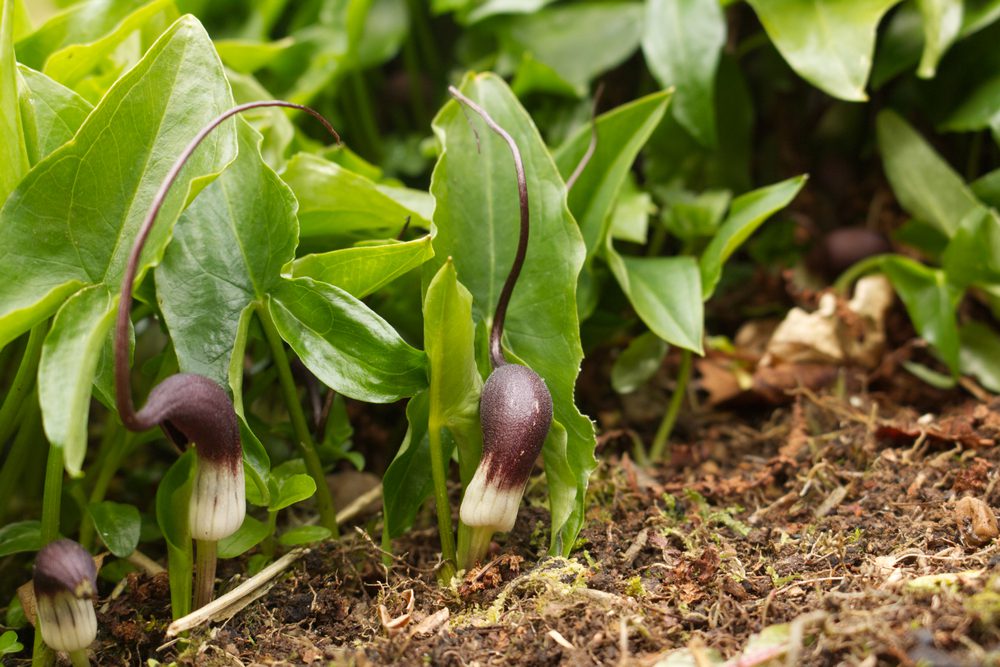
Not everyone likes rare and weird plants. Fortunately I had the good sense to realise this very early in my career.
A great number of gardeners love what some less charitable plantspeople might scornfully term the common plants. I had a startling realisation that common plants are actually very good.
Common plants are the ones that are easy to grow. They’re easy for nurseries to grow, they’re easy for gardeners to grow. These plants not only live but also perform well in a wide range of situations. They ask little but give a lot back.
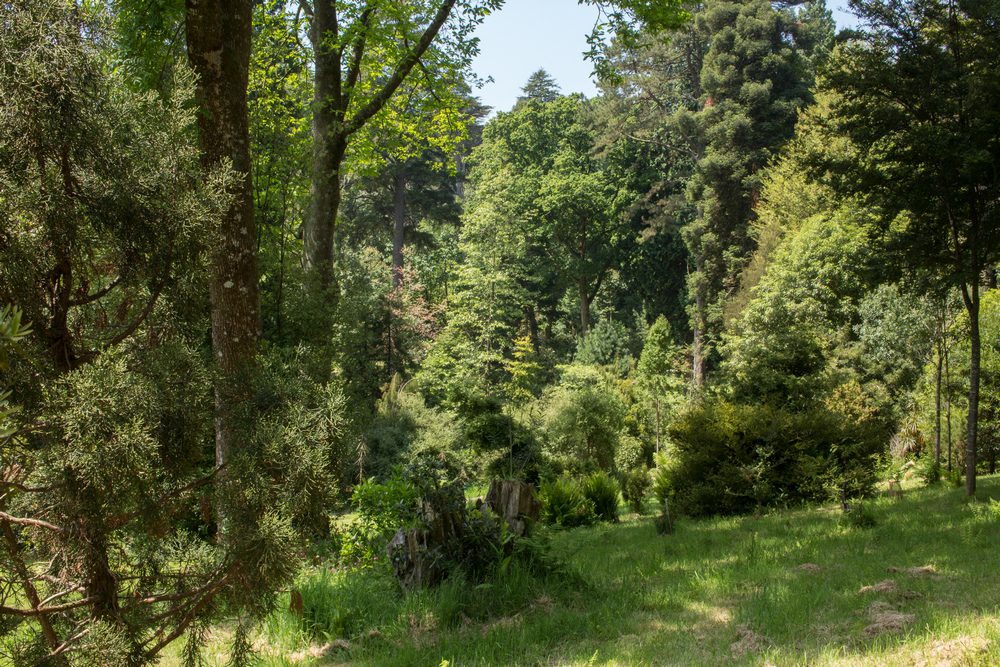
Common garden plants are the ones that have stood the test of time. How many new plants coming onto the market, with their bold labels and even bolder promises, will still be grown in five years time, let alone 10? The persistence of plants in cultivation comes down to gardener after gardener after gardener growing them, enjoying them, and recommending them to others.
A Plantsman’s Confession
As my knowledge has changed over the years, so have my tastes.
This shifting of tastes is a fundamental part of gardening for us all, with the possible exception of those who have their gardens built for them by a garden designer and who, for some utterly bizarre reason, feel that they cannot allow their gardens to evolve. Gardeners are drawn to new plants; some appeal because they’re perfect with what we’ve got already, while others appeal because they’re very different.
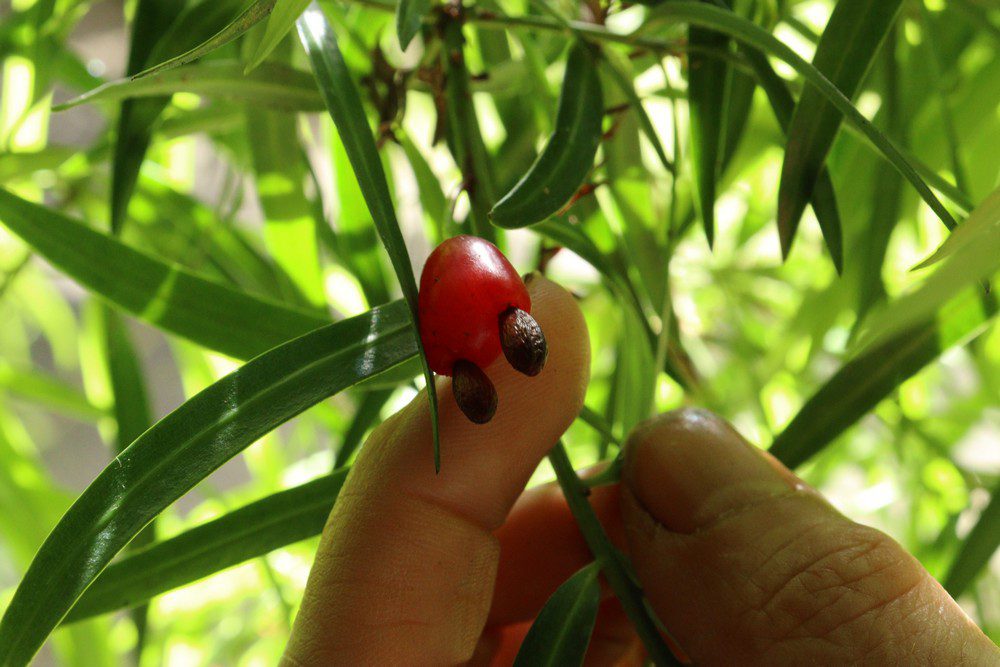
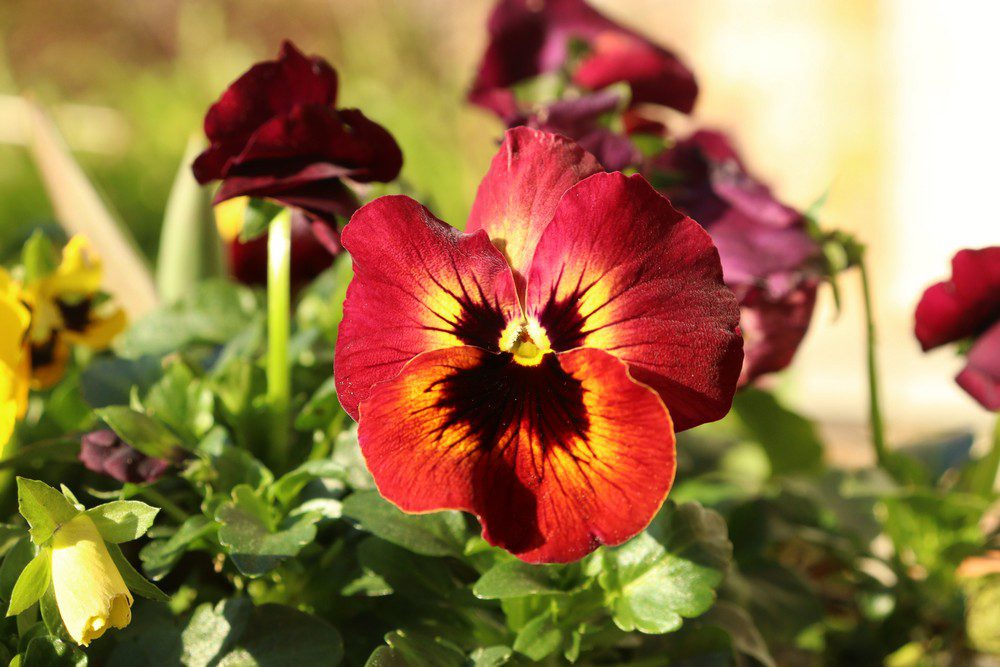
Because my gardening journey has been the wrong way round it feels as though I’m filling in gaps, both in my knowledge of and appreciation for different groups of plants. Right now I’m coming to appreciate pansies and bedding violets.
It’s taken me the best part of 30 years to appreciate why others find them appealing.
The range of colours, from white to blue, reddish-purple to yellow, covers most tastes. Modern varieties have come about as the result of decades, if not centuries, of diligent plant breeding.
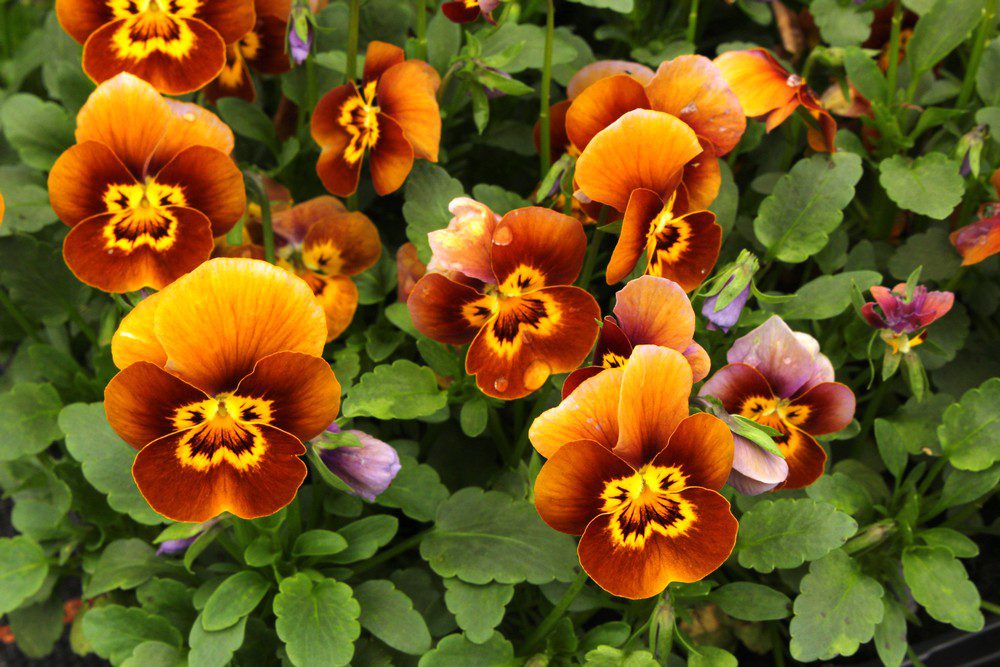
The pansies are among the most liberated of garden plants. They’re fairly inexpensive, and you know that when you’re buying them that you won’t have them forever. They represent the very antithesis of my usual plant choices.
And above all they’re extraordinarily cheerful.
Pansies For The Future
In these ecologically enlightened times it’s a miracle that bedding plants haven’t been singled out for the wrath of the more extremist elements creeping into the world of gardening.
Certainly their popularity is declining; massed displays of bedding plants are now largely a thing of the past, but they are still used extensively in container gardening.
The question is how long container gardening will remain morally acceptable. Containers need watering and feeding by gardeners, but more fundamentally container gardening represents a very temporary, short-lived sort of gardening. Many bedding plants are quite demanding at the nursery – even hardier plants like pansies are pushed on to give them the longest flowering season – but are then thrown away months, or even weeks later. Not exactly sustainable.
One day the hard-line ecological gardening movement will turn its attention to the bedding plant growers and these plants will probably end up crushed to oblivion.
But I do hope that bedding plants like pansies and primroses continue long into the future. With all the pearl-clutching that goes on in the gardening world these plants, especially with their gaudy colours, represent a sense of cheery optimism and joy that we so desperately need.