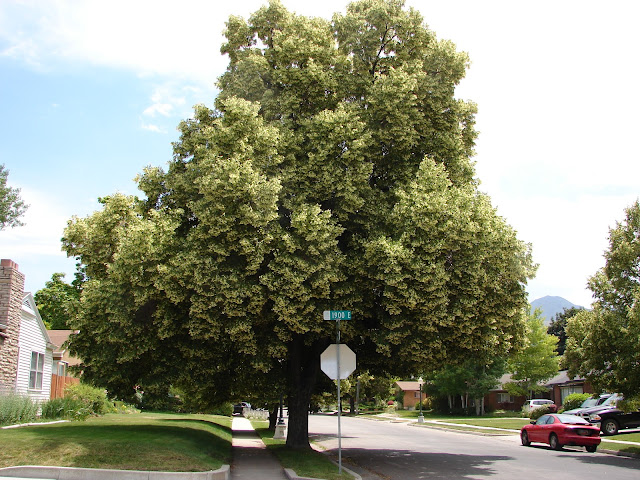
Ever walked past a blooming linden tree in summer, caught that unmistakable sweet, honeyed scent, and thought, “Can I eat that?” Good news: you absolutely can. For years, I’ve been harvesting linden blossoms, and let me tell you, it’s one of the most rewarding wild foods out there. Forget those bland store-bought herbal teas; fresh linden has a flavor profile that’s just unmatched. But before you grab a basket and start plucking, there are a few things you need to know to do it right. I’ve seen enough people make rookie mistakes, and I’m here to make sure you don’t repeat them. This isn’t just about collecting flowers; it’s about understanding the tree, the timing, and the techniques that yield the best results.
Identifying Linden Trees: Don’t Mess This Up
This is where most beginners go wrong, and it’s a non-negotiable step: know your tree. You can’t just assume every tree with heart-shaped leaves is a linden. There are look-alikes, and while most aren’t toxic, you’ll end up with a bland, possibly unpleasant harvest if you get it wrong. Trust me, I’ve been there, tried to be clever, and ended up with a basket of useless leaves. Don’t be that person. I prefer to stick with European small-leaved linden (Tilia cordata) or large-leaved linden (Tilia platyphyllos) because their flavors are consistently excellent.
Spotting Tilia cordata
When I’m out looking, I focus on a few key characteristics. Tilia cordata, or small-leaved linden, has relatively small, heart-shaped leaves, typically 3-7 cm long, with finely serrated edges and a slightly asymmetrical base. The underside of the leaves usually has small tufts of reddish-brown hairs where the veins meet the midrib. This is a dead giveaway for me. The bark on mature trees is grayish-brown and furrowed, but not deeply ridged like an oak. The flowers themselves are creamy-yellow, small, and hang in clusters from a distinctive, pale green, leaf-like bract. This bract is crucial for identification; it acts almost like a wing for the seeds. If you don’t see that bract, walk away. It’s not a linden, or at least not the one you want for culinary purposes.
Common Look-Alikes to Avoid
The most common confusion I see is with poplars or other maples when they’re young, or even sometimes with redbud trees, especially their leaves. Poplar leaves are often more rounded or triangular and lack the linden’s distinctive bract. Redbud leaves are perfectly heart-shaped but have smooth margins and completely different flowers. I’ve heard stories of people mistaking other non-edible trees and ending up with stomach upset – not ideal for a pleasant foraging experience. My rule is simple: if there’s any doubt, don’t harvest it. Your safety and enjoyment are .
My Trick for Certainty
My foolproof method? I find a linden tree in winter, when it’s bare, and learn its branching pattern and bark texture. Then, I revisit it in spring as the leaves emerge, and again in early summer when the flowers appear. This multi-season observation builds confidence. Also, gently rub a leaf between your fingers. Linden leaves have a slightly mucilaginous, almost sticky, but pleasant feel. If it feels rough, papery, or too thin, it’s likely not what you’re after. Once you’ve positively identified a few trees, you’ll start to recognize them instinctively, but always double-check until you’re absolutely sure.
When to Harvest Linden Blossoms for Peak Flavor
You can identify the tree, great. Now, timing. This isn’t a free-for-all; there’s a sweet spot, and missing it means you either get underdeveloped blossoms with less flavor or overblown ones that are starting to lose their aromatic oils. I’ve learned through experience that patience truly pays off here. You want to hit the window when the flowers are just opening, vibrant and fragrant, but before they’ve fully matured and started to drop their petals. This typically happens in late spring to early summer, usually June or early July, depending entirely on your local climate. I’ve seen it shift by as much as two weeks year to year, so don’t rely on last year’s calendar date.
The Ideal Window: Timing is Everything
Look for flowers that are mostly open but still have a fresh, slightly firm appearance. You’ll see a mix of fully open blossoms and some that are just beginning to unfurl. This is the prime time. If the flowers are still tightly closed buds, they haven’t developed their full aromatic profile. If they’re past their prime – petals browning, starting to fall off, or looking withered – you’ve missed the best period. The flavor and medicinal properties will be significantly diminished. My best harvests have always been when the entire tree seems to be humming with bees, a clear sign of abundant nectar and fresh bloom. That buzzing is your natural clock telling you it’s time.
Morning vs. Afternoon Harvests
This is a detail many overlook, but it makes a difference. I always aim for a morning harvest, specifically after the dew has dried but before the midday sun gets too intense. This is typically between 9 AM and 11 AM. Why? In the morning, the flowers are fresh, fully hydrated, and their volatile aromatic compounds are at their peak concentration. The heat of the afternoon sun can start to evaporate these delicate oils, diminishing both the scent and the flavor of your harvest. Also, harvesting later in the day, especially if it’s windy, can mean you’re collecting blossoms that have already lost some of their pollen and nectar to the elements or to busy pollinators. A cool, calm morning is ideal for preserving the integrity of the flowers.
Sustainable Practices You Need to Follow
When you forage, you’re not just taking; you’re participating in a natural cycle. So, don’t be greedy. I never strip a tree bare. My personal rule of thumb is to take no more than 10-20% of the blossoms from any single tree. This ensures the tree can still produce seeds, support pollinators, and thrive for future harvests. Always use sharp shears or scissors to cleanly cut the clusters, including the bract. Avoid tearing branches or damaging the tree in any way. I focus on harvesting from lower branches that are easily accessible, leaving the higher canopy undisturbed. Think of it this way: if everyone took too much, there would be nothing left for anyone, including the bees who depend on these trees. Respect the resource, and it will reward you year after year.
My Go-To Methods for Drying and Storing Linden Blossoms
Once you’ve got your beautiful basket of fresh linden blossoms, the next crucial step is proper drying. If you skip this or do it incorrectly, all your hard work identifying and harvesting goes straight out the window. Mold, loss of flavor, or diminished potency are real risks. I’ve learned that investing a little time upfront in good drying practices saves a lot of disappointment later. My goal is always to dry them quickly and gently to preserve their delicate aroma and beneficial compounds.
Air Drying: The Classic Way
This is my preferred method for small to medium batches, and it’s surprisingly effective if done correctly. It’s also the most economical. Here’s how I do it:
- Prepare the Blossoms: Gently spread your freshly harvested linden blossoms, still attached to their bracts, in a single layer on clean mesh screens, old window screens (cleaned thoroughly!), or even brown paper bags.
- Choose the Right Spot: Find a warm, dry, well-ventilated area away from direct sunlight. A spare room, an attic, or a covered porch can work. Temperatures between 65°F and 85°F (18°C-30°C) with good airflow are ideal.
- Ensure Air Circulation: This is critical. Don’t pile them up. Give them space. I often use a small fan on a low setting, pointed away from the blossoms but circulating air in the room, to speed up drying and prevent mold.
- Monitor and Turn: Check them daily. Gently turn or stir the blossoms every day or two to ensure even drying.
- Drying Time: They should be completely dry within 3-7 days, depending on humidity and temperature. They’re done when the petals feel papery and brittle, and the bracts snap cleanly when bent.
Dehydrator Use: Faster, But Tricky
For larger harvests or when humidity is high, a food dehydrator can be a lifesaver. However, you need to be careful with temperature. Too high, and you’ll cook off those precious volatile oils. I’ve ruined a batch or two by being impatient.
- Spread Evenly: Arrange the blossoms in a single layer on the dehydrator trays, making sure not to overcrowd them.
- Low Temperature is Key: Set your dehydrator to its lowest temperature setting, ideally no higher than 95°F-105°F (35°C-40°C). This low heat is crucial for preserving the delicate compounds.
- Check Periodically: Drying time will be significantly shorter than air drying, usually 12-24 hours. Check them every few hours until they are brittle and dry.
Long-Term Storage for Potency
Once your linden blossoms are thoroughly dry, proper storage is essential to maintain their flavor and potency for months. I recommend using airtight containers made of glass or dark, food-grade plastic. My go-to are glass jars with tight-fitting lids. Store them in a cool, dark, dry place – a pantry or cupboard is perfect. Avoid direct sunlight or areas with fluctuating temperatures, as these can degrade the quality. Properly stored, dried linden blossoms can last for 6-12 months, retaining most of their aroma and beneficial properties. Label your jars with the date of harvest, so you know exactly how fresh they are.
Linden Blossom Tea vs. Infusion: What’s the Real Difference?
When most people think of using linden, they immediately think “tea.” And while a hot linden tea is lovely, there’s a distinct difference between a traditional hot tea and a cold infusion. I often hear people use the terms interchangeably, but they extract different compounds and offer unique benefits and flavor profiles. Understanding this distinction can elevate your linden experience, allowing you to tailor your preparation to your desired outcome.
Understanding the Extraction
A “tea” in the traditional sense, especially with delicate plant material like linden, involves steeping the blossoms in hot (but not boiling) water for a relatively short period. This method primarily extracts the water-soluble compounds, including some of the volatile oils, mucilage, and flavonoids. It’s quick, comforting, and great for immediate relief or a pleasant drink. A “cold infusion,” however, involves soaking the blossoms in cold water for a much longer period, typically several hours or overnight. This gentle, slower extraction is excellent for drawing out different compounds, often resulting in a richer mucilage content (which gives linden its soothing properties) and a slightly different flavor profile, sometimes perceived as mellower or more complex without the potential bitterness that can come from over-steeping hot tea.
My Preferred Use Cases
For a quick, soothing drink, especially if I’m feeling a bit stressed or have a scratchy throat, I go for a hot linden tea. It’s fast-acting and comforting. I use about 1-2 teaspoons of dried blossoms per cup of hot water (around 175-195°F or 80-90°C) and steep for 5-10 minutes, no longer. For something more deeply restorative, or if I want to extract maximum mucilage for digestive soothing, I turn to a cold infusion. I’ll often prepare a large batch overnight and keep it in the fridge. It’s fantastic as a refreshing, hydrating drink on a hot day, and I find it has a subtler, more profound effect on the nervous system. The cold method also ensures you don’t degrade some of the more delicate compounds with heat.
The Flavor Profile Breakdown
Here’s a quick comparison of the two methods:
| Feature | Hot Linden Tea | Cold Linden Infusion |
|---|---|---|
| Method | Steep in hot water (80-90°C) | Soak in cold water |
| Steeping Time | 5-10 minutes | 4-12 hours (often overnight) |
| Primary Extraction | Water-soluble compounds, some volatile oils | Mucilage, subtle volatile oils, minerals |
| Flavor Profile | Aromatic, floral, slightly honeyed, can be slightly bitter if over-steeped | Mellow, deeply honeyed, smoother, often richer mouthfeel due to mucilage |
| Ideal Use | Relaxation, mild cold symptoms, quick comfort | Nervous system support, digestive soothing, hydrating drink |
As you can see, both have their merits. I encourage you to try both and decide which you prefer for different situations. Personally, I keep both on rotation, depending on what my body and taste buds are craving.
Beyond Tea: Unexpected Culinary Applications
Okay, so you’ve mastered identification, timing, and drying. You’ve even dabbled in teas and infusions. But to truly appreciate linden, you need to go beyond the cup. This is where the real fun begins. Linden blossoms are incredibly versatile in the kitchen, offering that unique honey-floral note to a range of dishes. I’ve experimented a lot over the years, and some of my most surprising successes have come from pushing past the obvious.
Can I Make Linden Blossom Syrup?
Absolutely, and you should! Linden blossom syrup is probably my favorite way to capture that fleeting summer aroma. It’s liquid gold. Here’s a basic recipe I swear by:
- Ingredients: 2 cups fresh linden blossoms (with bracts), 2 cups water, 2 cups granulated sugar, 1 lemon (juice and zest).
- Method: Gently rinse blossoms. Bring water and sugar to a simmer, stirring until sugar dissolves. Remove from heat. Add blossoms, lemon zest, and lemon juice. Stir gently. Cover and let steep for 24-48 hours in the refrigerator. Strain the syrup through a fine-mesh sieve or cheesecloth, pressing out all liquid. Discard blossoms. Store the syrup in sterilized bottles in the fridge for up to a month, or freeze for longer storage.
I use this syrup in cocktails, over pancakes, in homemade sodas, or simply mixed with sparkling water. It’s phenomenal.
What About Linden Honey?
While true linden honey is made by bees foraging on linden nectar (and it’s absolutely delicious, by the way), you can create your own linden-infused honey at home. It’s not the same as natural linden honey, but it’s a fantastic way to impart that floral essence.
- Ingredients: 1 cup good quality raw honey, ½ cup lightly dried linden blossoms (without bracts for a smoother texture).
- Method: Gently warm the honey in a double boiler until it’s fluid (don’t overheat, keep it below 110°F/43°C to preserve honey’s enzymes). Add the linden blossoms. Stir well. Pour into a clean glass jar. Let it infuse for at least 1-2 weeks in a cool, dark place, shaking occasionally. Strain the blossoms out for a clear honey, or leave them in for a more rustic look and stronger flavor.
This infused honey is amazing in tea, on toast, or as a sweetener in desserts. I prefer to use lightly dried blossoms to prevent introducing too much moisture into the honey, which can cause fermentation.
Any Savory Uses?
This might surprise you, but yes! Linden blossoms, especially when fresh, have a delicate sweetness that can complement certain savory dishes. I’ve found them particularly good in light salads, where they add a visual appeal and a subtle floral note that pairs well with goat cheese or fresh berries. You can also infuse vinegar with linden blossoms to create a unique floral vinaigrette for salads. I’ve even experimented with incorporating finely chopped fresh blossoms into light fish marinades – the key is subtlety. Don’t overpower the dish; let the linden be a whisper, not a shout.
Safety First: Avoiding Contaminants and Allergens
Look, I’ve said it before, and I’ll say it again: safety in foraging isn’t just a suggestion; it’s the absolute rule. You can identify the tree perfectly, time your harvest impeccably, and dry everything to perfection, but if you pick from a contaminated spot, you’ve wasted your time and potentially put your health at risk. Always prioritize a clean source.
Location, Location, Location: Picking a Clean Spot
This is probably the single most important piece of advice I can give you: never harvest from roadsides, industrial areas, or any place where you suspect pollution. I mean it. Exhaust fumes from cars, runoff from roads, and airborne industrial pollutants can accumulate on the leaves and flowers. You don’t want to ingest that. My go-to spots are always deep within parks, large private properties I have permission to forage on, or well-established natural areas far from traffic. The further away from human activity, the better. Look for trees that are thriving in healthy soil, not struggling in a concrete jungle.
Pesticides and Pollutants: The Real Threat
Beyond vehicle exhaust, keep an eye out for signs of pesticide or herbicide use. If you’re foraging in an area that’s maintained, like a public park, check for signs or ask the groundskeepers if chemicals are used. Many municipalities spray for pests, and you definitely don’t want those residues on your blossoms. I also avoid trees that look sickly or have unusual leaf discoloration, as this can sometimes indicate environmental stress or chemical exposure. Your harvest should look vibrant and healthy, a reflection of the environment it came from.
Allergy Awareness: Listen to Your Body
While linden is generally considered safe and is often used to soothe, like any botanical, it can trigger reactions in some individuals. If you have known allergies to other plants in the Malvaceae family (like hibiscus or mallow), or generally have a sensitive system, start with a very small amount. I always recommend doing a patch test if you’re unsure, or just trying a tiny sip of tea first. Pay attention to how your body responds. Mild allergic reactions might include itching, rash, or digestive upset. If you experience anything more severe, stop immediately and consult a healthcare professional. Foraging is about connecting with nature, but it’s also about respecting your own body and its unique sensitivities.
So, there you have it. From spotting the right tree to brewing the perfect infusion and even whipping up some incredible syrup, you’re now equipped to stop and smell — and taste — the linden trees. It’s a seasonal ritual that brings so much joy and flavor into my kitchen. Don’t overthink it, but don’t cut corners either. Get out there, be observant, be respectful, and enjoy the delicate sweetness this incredible tree has to offer.
My Quick Comparison: Hot vs. Cold Linden Blossom Prep
- Hot Tea: Quick, comforting, extracts immediate soothing compounds. Best for fast relief of stress or mild cold symptoms. Flavor is bright, floral, can be more intense.
- Cold Infusion: Slow, gentle, maximizes mucilage and subtle flavors. Ideal for deeper nervous system support, digestive benefits, and refreshing hydration. Flavor is mellow, profoundly honeyed, and smooth.
- Syrup: Concentrated essence, captures the peak floral sweetness. Fantastic for culinary creativity in drinks and desserts. Requires fresh blossoms.
- Infused Honey: A delightful way to carry the linden flavor year-round. Great for teas, toast, or adding a floral note to baked goods. Best with lightly dried blossoms.