Why slow cooker apple butter needs a long cook
You start with a full slow cooker of sliced apples, check it after dinner, and find a pale, watery sauce the next morning. That result is normal at first. Apple butter gets its deep color and spreadable texture from time, steady heat, and evaporation, not from adding extra flour or starch.
The best slow cooker apple butter cooks low and long, then finishes uncovered. The apples soften into sauce during the first several hours. After that, water leaves the pot while the natural sugars darken and the flavor turns from fresh apple to toasted caramel.
The fruit changes in three stages
During hours one through four, the apple pieces collapse and release juice. The mixture may look thin because the fruit contains a large amount of water. Between hours five and eight, the sauce becomes thicker and darker. The final stage is reduction: steam escapes, the surface loses its shine, and a spoon leaves a track that closes slowly.
Keep the slow cooker lid slightly ajar for the final one to two hours. A wooden spoon placed across the rim creates a small vent without leaving the pot fully exposed. Do not remove the lid during the early cook, because every check releases heat and adds cooking time.
How to judge the finished texture
Do not judge apple butter by the clock alone. Spoon a little onto a chilled plate and wait 30 seconds. If liquid gathers around the edge, cook longer. If the mound holds its shape when you tilt the plate, it is ready. The finished spread should be thick enough for toast but soft enough to scoop without tearing the bread.
For a smoother result, blend the cooked apples before the final reduction. If the puree looks thick in the blender but loose in the slow cooker, keep reducing it. The final texture becomes firmer after refrigeration.
How to prep apples for a smooth, balanced batch
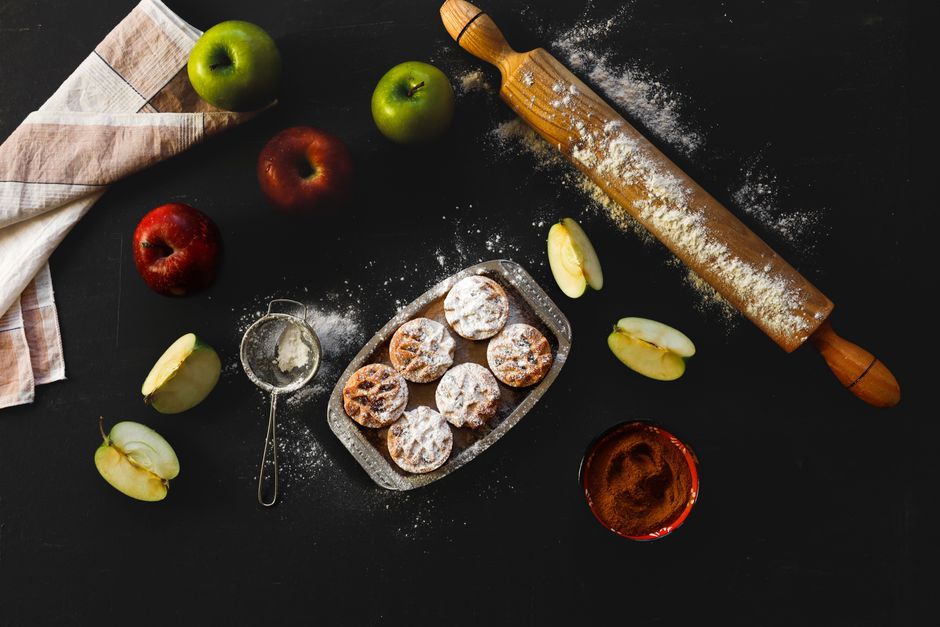
Apple choice controls the flavor more than any spice. Tart apples bring brightness, sweet apples add body, and softer varieties break down quickly. A mixed batch gives better results than using one type alone.
Choose apples that cook down well
Use about 3 pounds of apples for a 6-quart slow cooker. A reliable mix is 2 pounds of Honeycrisp, Pink Lady, or Gala with 1 pound of Granny Smith. Honeycrisp and Gala add sweetness; Granny Smith keeps the butter from tasting flat. McIntosh also works well because it turns soft quickly, but it produces a looser sauce that needs more reduction.
Peel the apples if you want a smooth, dark spread. Leave the peel on if you plan to blend the butter thoroughly and want extra color. Remove the cores and seeds, then cut the apples into 1-inch chunks. Small pieces soften faster, but thin slices are not required.
Follow this preparation order
- Wash, core, and cut 3 pounds of apples into evenly sized chunks.
- Add the apples to the slow cooker with 1/2 cup apple cider or water.
- Stir in 1/2 cup packed brown sugar, 1 teaspoon ground cinnamon, 1/4 teaspoon ground cloves, and 1/4 teaspoon fine salt.
- Cook on low for 8 to 10 hours, stirring once after the apples collapse.
- Blend the soft apples with an immersion blender until no large pieces remain.
- Vent the lid and cook for 1 to 2 more hours, checking the plate test every 30 minutes.
- Stir in 1 tablespoon lemon juice only after tasting. Add it when the batch needs a sharper finish.
Do not fill the cooker above two-thirds full. A crowded pot heats unevenly and gives the center a watery texture while the edges overcook. If your apples fill the crock to the top, split them into two batches or use a larger cooker.
When should you add sugar and spices?
Start with less sugar than you think you need. Apples become sweeter as their water cooks away, so a mixture that tastes only mildly sweet at hour two can taste rich at hour ten.
Should sugar go in at the beginning?
Yes, but keep the first amount modest. Add 1/2 cup brown sugar for 3 pounds of apples, then adjust after blending. Brown sugar gives the butter a molasses note, while white sugar creates a cleaner apple flavor. For very sweet apples, start with 1/4 cup.
When do cinnamon and cloves work best?
Add cinnamon at the beginning so it spreads through the sauce. Add cloves lightly because 1/4 teaspoon can dominate a small batch. Nutmeg, allspice, and cardamom are useful alternatives, but choose one extra spice rather than adding all three. The best apple butter tastes like concentrated apple first and spice second.
What should you do if the butter tastes flat?
Check salt before adding more sugar. A pinch of fine salt can sharpen the apple flavor. If the butter tastes too sweet, add 1 teaspoon lemon juice at a time. If it tastes bitter, it may have reduced too far around the edges; scrape the center into a clean saucepan, stir in 1 or 2 tablespoons of water, and taste again.
Which slow cooker and tools make the job easier?
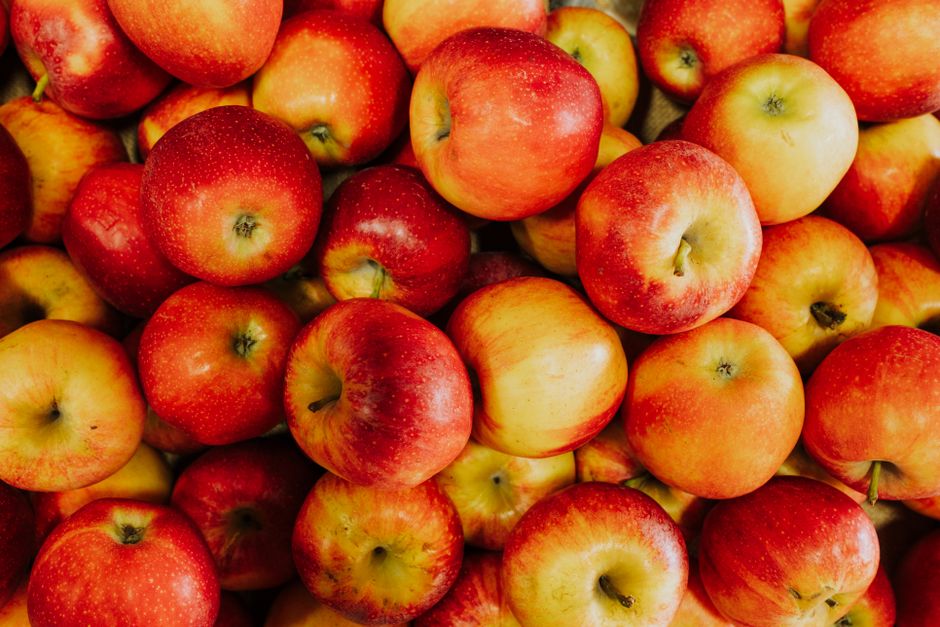
For apple butter, choose a wide slow cooker with a dependable low setting, not the most complicated appliance. The pot needs enough surface area for steam to escape during the final reduction. A narrow, deep crock can cook the apples well but may leave the finished butter loose.
Compare the main cooker options
| Product | Useful specification | Best use | Main tradeoff |
|---|---|---|---|
| Crock-Pot 7-Quart Cook & Carry Programmable Slow Cooker | 7-quart capacity with locking travel lid and programmable timer | Large batches or holiday cooking | More capacity than needed for a small 3-pound batch |
| Hamilton Beach Set & Forget 6-Quart Slow Cooker | 6-quart crock with temperature probe and programmable controls | Hands-off cooking when you want a doneness check | The probe is not needed for fruit preserves |
| Instant Pot Duo 7-in-1 6-Quart | 6-quart electric cooker with slow-cook and pressure-cook modes | Kitchens with limited storage | Its slow-cook mode may heat differently from a dedicated slow cooker |
My pick for regular apple butter is the Hamilton Beach 6-Quart Set & Forget because its size suits a standard batch and its controls are simple. Choose the Crock-Pot 7-Quart Cook & Carry if you want to double the recipe or transport the finished butter. Do not buy a new cooker just for this recipe if you already own a 5- or 6-quart model with a reliable low setting.
The tools that matter most
An immersion blender saves time because you can puree the apples inside the crock after cooking. A regular blender makes a smoother puree, but hot steam can force the lid upward, so cool the mixture briefly and blend in small batches. Use a silicone spatula to scrape the sides, a ladle for filling jars, and a chilled saucer for texture testing.
If you want a tool with a clear speed advantage, the Breville Control Grip Immersion Blender has a 280-watt motor and a blending shaft designed for deep containers. It is useful for large batches, but a basic immersion blender works if the apples are fully soft.
How to store apple butter and choose the right method
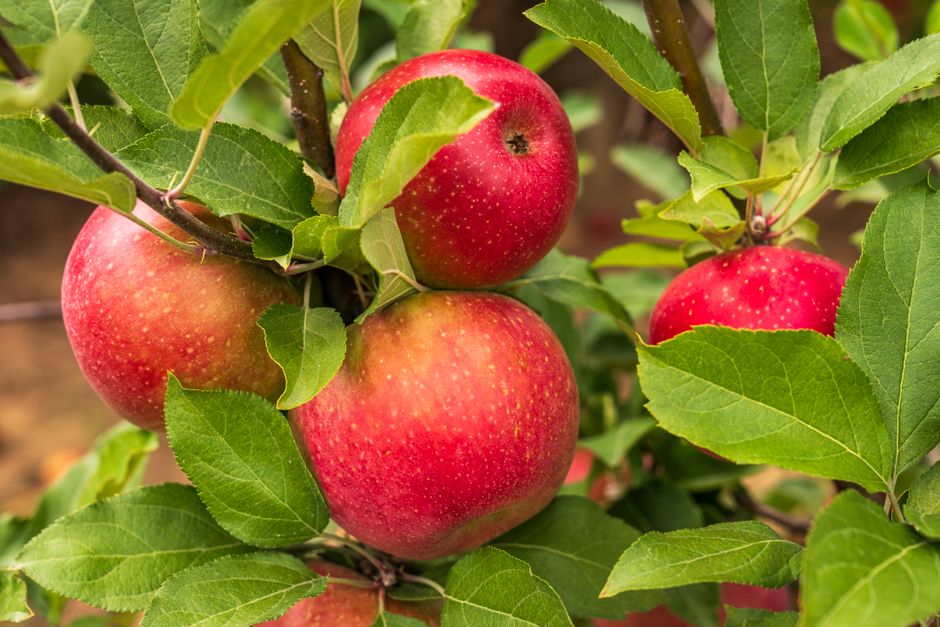
Cool the finished apple butter in shallow containers before refrigerating it. Pack it into clean jars, leave about 1/2 inch of space at the top, and chill it within two hours. Refrigerated apple butter keeps for about one week; frozen portions keep longer and are easier to manage than a large jar that sits open in the refrigerator.
Use this simple cooking schedule
- Morning: add prepared apples, cider, sugar, salt, and spices to the slow cooker.
- Late afternoon: check that the apples have collapsed and stir the mixture.
- Evening: blend until smooth, vent the lid, and begin the final reduction.
- Before bed: perform the chilled-plate test and transfer the finished butter to clean containers.
For shelf-stable jars, use a tested water-bath canning recipe from a university extension service or a current canning guide. Do not invent processing times from this slow cooker schedule. Thick fruit spreads heat differently from thin sauces, and safe storage depends on tested acidity and jar-processing instructions.
Final comparison for home cooks
- Best flavor: a mix of tart and sweet apples cooked for 8 to 10 hours.
- Best texture: blend the soft fruit, then vent the lid for 1 to 2 hours.
- Best equipment choice: a 5- to 6-quart slow cooker for a standard 3-pound batch.
- Best mistake to avoid: adding extra sugar before the apples reduce.
- Best storage choice: refrigerate a small jar for immediate use and freeze the rest in measured portions.
The result should be dark, thick, and clearly apple-forward. Spread it on toast, spoon it over oatmeal, or serve it beside roasted pork while the autumn flavor is still at its peak.