Catalpa trees offer striking visual appeal and valuable shade, making them a popular choice for many landscapes. However, Utah’s unique climate, with its diverse elevations, cold winters, and hot, dry summers, demands careful consideration for successful cultivation. Choosing the right variety and understanding specific care requirements ensures these distinctive trees flourish.
Choosing the Right Catalpa Variety for Utah
Selecting the correct Catalpa species is the first critical step for success in Utah. Two primary species dominate cultivation: the Northern Catalpa and the Southern Catalpa. While both share similar characteristics, their cold hardiness and adaptability to various soil conditions differ significantly, impacting their suitability for Utah’s varied zones. Utah gardeners should prioritize resilience and growth habit.
Northern Catalpa (Catalpa speciosa)
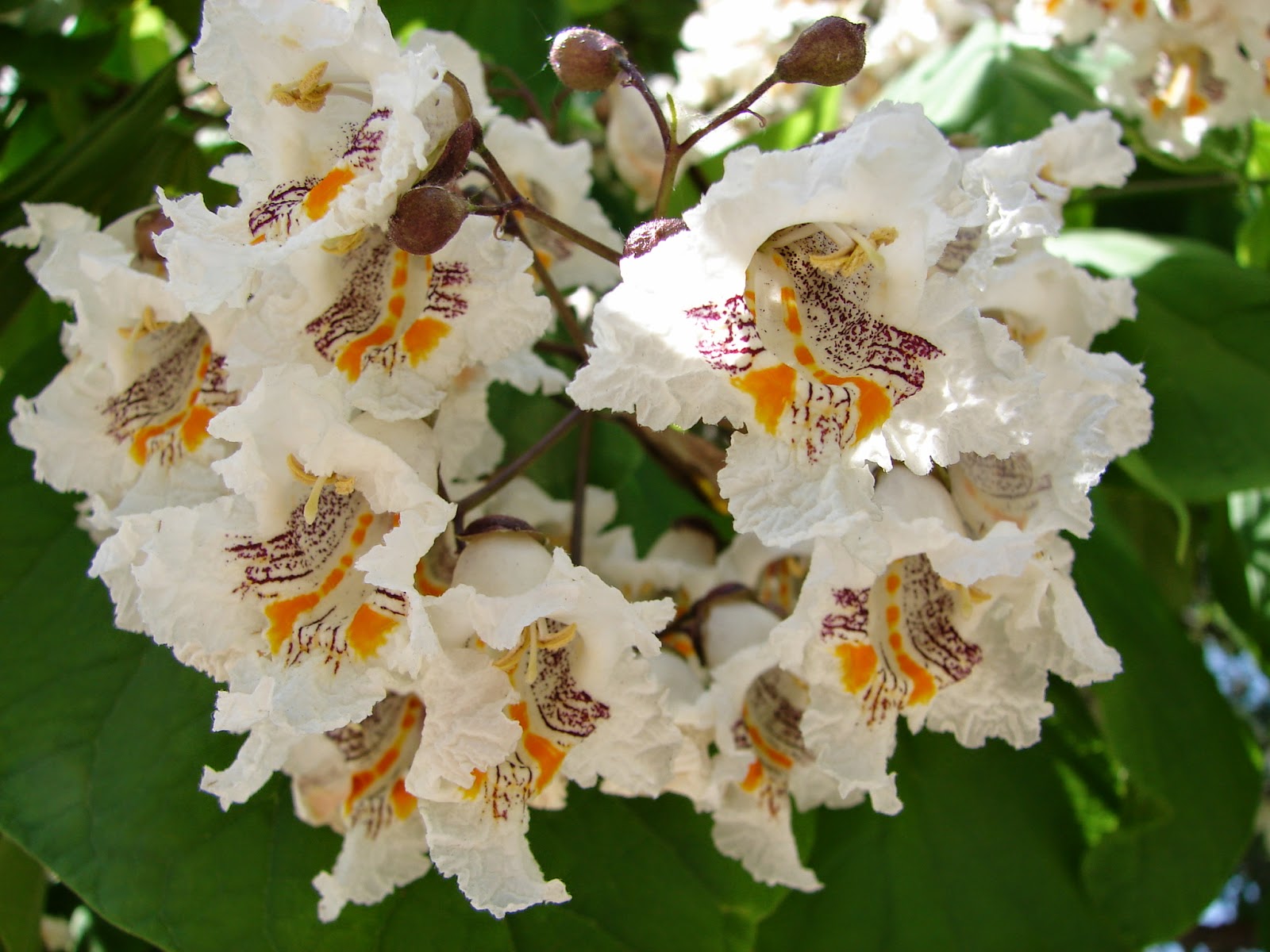
The Northern Catalpa is the preferred choice for most of Utah. It tolerates colder temperatures, thriving in USDA Hardiness Zones 4-8. This makes it suitable for Northern Utah valleys and plateaus, where winter lows can be significant. It grows rapidly to heights of 50-70 feet with a spread of 30-50 feet. Its large, heart-shaped leaves provide dense shade, and its white, orchid-like flowers appear in late spring to early summer. This species is also more tolerant of alkaline soils, a common condition across Utah, and exhibits better drought resistance once established. Its wood is generally more robust, though still somewhat brittle compared to other shade trees.
Southern Catalpa (Catalpa bignonioides)
The Southern Catalpa is less common in Utah due to its lower cold tolerance, typically performing best in USDA Zones 5-9. While parts of Southern Utah might fall into Zone 7, the unpredictable late spring frosts and prolonged cold snaps in other areas make it a riskier choice. It is a slightly smaller tree, reaching 30-50 feet tall with a similar spread. The flowers are similar to the Northern Catalpa but often have more pronounced yellow and purple markings. This species prefers slightly more acidic soils and can be more susceptible to drought stress in arid environments if not properly watered. For Utah, it is generally recommended to stick with Northern Catalpa unless you are in a very specific, sheltered microclimate within the warmest parts of the state.
Comparison: Northern vs. Southern Catalpa for Utah
| Feature | Northern Catalpa (C. speciosa) | Southern Catalpa (C. bignonioides) |
|---|---|---|
| USDA Hardiness Zones | 4-8 | 5-9 |
| Typical Utah Suitability | High (Most of Utah) | Limited (Warmest Southern Utah) |
| Mature Height | 50-70 feet | 30-50 feet |
| Mature Spread | 30-50 feet | 20-40 feet |
| Alkaline Soil Tolerance | Good | Moderate |
| Drought Tolerance (Est.) | Good | Moderate |
| Flower Time | Late Spring/Early Summer | Early/Mid-Summer |
| Leaf Size | Larger (up to 12 inches) | Smaller (up to 8 inches) |
Site Selection and Soil Preparation for Optimal Growth
Proper site selection and meticulous soil preparation are for establishing a healthy Catalpa tree in Utah. These steps directly influence the tree’s long-term vitality, growth rate, and ability to withstand environmental stressors. Utah soils can vary widely, from sandy loams to heavy clays, often with alkaline pH levels. Adapting your approach to these conditions is essential for success.
Choosing the Best Location
- Sunlight Exposure: Catalpas require full sun to partial shade, meaning at least six hours of direct sunlight daily. A location with morning sun and some afternoon shade can be beneficial in Utah’s intense summer heat, helping to prevent leaf scorch.
- Space Considerations: These are large trees. Ensure ample space from buildings, power lines, and underground utilities. A minimum of 20-30 feet from structures is advisable to accommodate their mature spread and root system. Roots can be somewhat shallow and wide-spreading.
- Drainage: Catalpas do not tolerate standing water. Choose a site with good drainage to prevent root rot. If your soil is heavy clay, consider amending it or planting on a slight mound to improve water runoff.
Preparing Utah’s Soils
Utah’s native soils are frequently alkaline, with pH levels ranging from 7.0 to 8.5. While Northern Catalpas are somewhat tolerant, extreme alkalinity can hinder nutrient uptake. Improving soil structure and balancing pH are key.
- Soil Testing: Before planting, conduct a soil test. This provides crucial information on pH, nutrient levels, and soil composition. Utah State University Extension offers affordable soil testing services.
- Amending Heavy Clay: If your soil is heavy clay, amend the planting hole (at least twice the width of the root ball, but not much deeper) with organic matter such as compost or well-rotted manure. Do not use sand, as this can create a concrete-like mixture. Mixing in some native soil is critical to avoid creating a ‘pot effect’ where roots struggle to grow beyond the amended area.
- Adjusting pH: For highly alkaline soils (above 8.0), consider incorporating elemental sulfur to gradually lower the pH. This is a long-term process and should be done cautiously, as drastic pH changes can harm the tree. Often, simply improving overall soil health with organic matter is sufficient for tolerant species like Northern Catalpa.
Common Catalpa Pests and Diseases in Utah: Prevention and Treatment
Catalpa trees, while generally robust, are not immune to pests and diseases that can affect their health and vigor in Utah’s environment. Understanding these potential threats and implementing proactive management strategies is crucial for maintaining a healthy specimen. Early detection and appropriate intervention can prevent minor issues from escalating into serious problems that compromise the tree’s lifespan. Focus on prevention through good cultural practices.
Catalpa Sphinx Moth
The most recognizable pest for Catalpa trees is the Catalpa Sphinx moth larva. These large, striped caterpillars can defoliate a tree rapidly, sometimes completely stripping it of leaves in a short period. While alarming, a single defoliation event usually does not kill a mature tree; it will typically produce a new flush of leaves. However, repeated defoliation can weaken the tree, making it susceptible to other stressors. In Utah, these caterpillars are active during the warmer months.
- Prevention: Encourage natural predators like birds and parasitic wasps. Healthy, vigorous trees are more resilient.
- Treatment: For small trees or localized infestations, hand-picking caterpillars can be effective. For larger infestations, treatments with Bacillus thuringiensis (Bt), a biological insecticide that is safe for beneficial insects, can control young larvae. Chemical insecticides are a last resort and should be applied carefully to minimize harm to non-target organisms.
Verticillium Wilt
Verticillium wilt is a serious fungal disease that can affect Catalpas. It enters the tree through the roots and clogs the vascular system, leading to wilting, yellowing, and eventual death of branches or even the entire tree. Symptoms often appear on one side of the tree first. The fungus is soil-borne and can persist for many years.
- Prevention: Plant resistant varieties (though specific Catalpa resistance is not widely documented). Ensure proper soil drainage and avoid overwatering, as wet conditions favor fungal growth. Do not plant Catalpas in areas where verticillium wilt has been confirmed in previous plants.
- Treatment: There is no effective chemical cure for verticillium wilt once a tree is infected. Pruning out affected branches can sometimes slow the spread, but tools must be sterilized between cuts. Severely infected trees often need to be removed to prevent the spread of the fungus to other susceptible plants.
Other Potential Issues
- Powdery Mildew: A fungal disease appearing as white, powdery patches on leaves, especially in humid conditions. Rarely fatal, it can be managed with good air circulation and occasional fungicide application if severe.
- Leaf Spot Diseases: Various fungi can cause leaf spots. Good sanitation (raking and removing fallen leaves) helps reduce fungal inoculum.
- Aphids: Small, sap-sucking insects that can cause leaf curling and secrete sticky honeydew. Usually controlled by natural predators. A strong spray of water can dislodge them.
Watering and Pruning Strategies for Healthy Catalpas
Proper watering and strategic pruning are fundamental to the health and longevity of Catalpa trees in Utah’s unique climate. Neglecting these practices can lead to stress, disease susceptibility, and compromised structural integrity. A thoughtful approach ensures robust growth and maximizes the tree’s aesthetic appeal and shade-providing benefits. These are not ‘set it and forget it’ trees; they require deliberate management, especially during establishment and hot summer months.
Watering for Establishment and Maturity
Watering is the most critical factor for newly planted Catalpas in Utah. The arid environment demands consistent moisture during the first 2-3 years to establish a strong root system.
- Initial Watering: Immediately after planting, water deeply to settle the soil around the roots. Create a small berm or watering basin around the tree to retain water.
- Establishment Phase (First 2-3 Years): Water 1-3 times per week, depending on soil type and weather. Aim for deep, slow watering that penetrates 18-24 inches into the soil. Use 10-15 gallons per week for the first year, gradually decreasing frequency as the tree matures, but increasing volume as the root system expands. Check soil moisture before watering; it should be moist but not waterlogged.
- Mature Trees: Once established, Northern Catalpas are relatively drought-tolerant. However, supplemental deep watering every 2-4 weeks during extended dry, hot periods in Utah summers will significantly benefit the tree, promoting better overall health and preventing stress-related issues. Consider xeriscaping principles, but don’t assume complete neglect.
- Application Method: Drip irrigation or soaker hoses are ideal for deep, efficient watering, minimizing evaporation and ensuring water reaches the root zone. Avoid frequent, shallow watering.
Strategic Pruning for Form and Health
Pruning shapes the tree, removes dead or diseased wood, and promotes structural integrity. Catalpas can be somewhat brittle, so good structural pruning is important.
- Timing: The best time to prune Catalpas is late winter or early spring while the tree is dormant. This minimizes sap bleed and allows the tree to heal before the growing season. Light corrective pruning can be done in summer if necessary.
- Structural Pruning: Focus on developing a strong central leader and well-spaced scaffold branches. Remove crossing branches, weak V-shaped crotches, and any competing leaders. Aim for branches that grow outward and upward at a wide angle from the trunk, as these are stronger.
- Dead, Damaged, or Diseased Wood: Remove any dead, broken, or clearly diseased branches as soon as they are noticed. This prevents the spread of disease and reduces hazards. Make clean cuts back to the branch collar.
- Thinning: For very dense canopies, judicious thinning can improve air circulation, reducing disease risk and allowing more light penetration. Do not remove more than 25% of the live canopy in a single year.
Catalpa Tree Lifespan and Growth Expectations in Utah’s Climate
Catalpa trees offer a relatively long lifespan and exhibit impressive growth rates, especially in favorable conditions. In Utah, with proper care and site selection, a healthy Northern Catalpa can live for 50 to 70 years, often longer, providing decades of shade and beauty. Its fast growth means significant shade cover develops quickly, making it a rewarding choice for new landscapes. Expect rapid initial growth of 2-3 feet per year, slowing slightly as the tree matures and focuses energy on canopy development and structural strength.
Avoiding Mistakes When Planting and Caring for Catalpas
Cultivating Catalpa trees in Utah presents specific challenges. Many common mistakes can compromise a tree’s health, leading to stunted growth, increased pest susceptibility, or even premature death. Awareness and proactive measures are key to avoiding these pitfalls and ensuring your Catalpa thrives for decades. Focus on understanding the tree’s specific needs rather than applying generic tree care practices.
What is the biggest mistake when planting Catalpas in Utah?
The single biggest mistake is improper site selection combined with inadequate soil preparation. Planting a Catalpa, particularly a Southern Catalpa, in an unsuitable hardiness zone, or placing any Catalpa in poorly draining, highly compacted, or extremely alkaline soil without amendment, sets the tree up for failure from day one. This leads to chronic stress, poor growth, and increased vulnerability to pests and diseases that the tree might otherwise resist. Always test your soil and consider the tree’s mature size.
How often should I fertilize my Catalpa tree in Utah?
Established Catalpa trees generally require minimal fertilization in Utah. Over-fertilization, especially with high-nitrogen products, can promote excessive foliar growth at the expense of root development and make the tree more attractive to pests. Instead, focus on improving soil health through organic matter. A top-dressing of compost annually around the root zone is usually sufficient. If a soil test indicates a specific nutrient deficiency, use a balanced slow-release fertilizer tailored to that need, typically in early spring before new growth begins.
Is it true Catalpas have brittle wood? How do I manage this?
Yes, Catalpa wood is somewhat softer and more brittle than many other common shade trees, making it prone to breakage, especially in high winds or under heavy snow loads. The best way to manage this is through early and consistent structural pruning. Establish a strong central leader and wide-angled scaffold branches when the tree is young. Remove co-dominant stems and any branches with weak attachments. Regular inspections for dead or damaged branches, and prompt removal, also help maintain structural integrity. This proactive approach significantly reduces the risk of major limb failure as the tree matures.
Pruning Catalpas for Strong Structure in Utah’s Winds
Pruning is not just about aesthetics; for Catalpas in Utah, it’s about engineering a strong framework capable of withstanding the region’s often intense winds and heavy snowfalls. Neglecting structural pruning can lead to significant damage and shortened tree life. A strategic approach focuses on creating a robust scaffold of branches. This is an ongoing process, not a one-time event.
The Crucial Role of Early Structural Pruning
Begin structural pruning when the tree is young. This is the most effective time to correct potential flaws and guide the tree’s growth. Focus on identifying a single, dominant central leader. Remove any competing leaders that arise. Encourage branches that emerge from the trunk at wide angles (ideally 45-60 degrees), as these attachments are much stronger than narrow, V-shaped crotches. Eliminate any branches that are crossing or rubbing against each other, as these create wounds and weak points.
Managing Co-Dominant Leaders
Catalpas often develop co-dominant leaders, where two or more stems of similar size emerge from the same point, forming a weak union. In Utah’s windy conditions, these are prime candidates for splitting. If you identify co-dominant leaders, select the strongest and most upright one to retain as the primary leader, then gradually reduce the length of the others over a few years, or remove the weaker one entirely. This strengthens the overall structure. Avoid removing too much foliage at once, which can stress the tree.
Addressing Mature Tree Challenges
For mature Catalpas, the focus shifts to maintenance pruning. Continue to remove any dead, diseased, or damaged branches promptly. Elevate the canopy if necessary for clearance, but avoid excessive ‘lion-tailing’ (removing all inner branches, leaving only foliage at the ends), which can weaken branches. During heavy snow years, consider gently knocking snow off branches to reduce load, especially on younger trees or those with known weak points. Professional arborist consultation can be invaluable for large, mature trees needing significant structural work.
For anyone looking to introduce a large, beautiful shade tree to their Utah property, the Northern Catalpa is an excellent choice. Its resilience, fast growth, and striking appearance make it a strong contender. Ensure success by focusing on a well-drained planting site, consistent watering during establishment, and strategic early pruning to build a robust structure.