Foundational Principles Before the Hacks
Before diving into irrigation hacks, it’s crucial to grasp a few basics that set you up for success. First, understand your soil’s water-holding capacity. Different soils soak up and hold water differently—clay grips moisture tightly, while sandy soil drains fast. Knowing this helps prevent overwatering or underwatering.
Next, know your plants’ real water needs. Not all plants are created equal—group them by “hydrozones” based on their water appetite. This way, you avoid watering thirsty tomatoes like drought-tolerant herbs. It saves water and keeps plants happier!
And here’s the golden rule I’ve learned after years of gardening: water deeply but infrequently. Deep watering encourages roots to grow far down, making plants more drought-resilient. Shallow, frequent watering leads to weak roots and higher water bills—not what you want.
Master these principles, and you’re already halfway to a thriving, water-wise garden!
The 15 Proven Irrigation Hacks
Making your garden water-efficient doesn\’t have to be complicated. Here are 15 practical irrigation hacks that save water and boost plant health.
-
Bury Clay Pots (Olla Irrigation)
This ancient low-tech trick uses porous clay pots buried near plant roots. Water seeps out slowly, feeding roots directly and cutting evaporation dramatically. It’s a simple, budget-friendly way to water deeply.
-
DIY Self-Watering Systems from Recycled Bottles
Cut a few holes in old bottles and bury them neck-down near your plants. Fill with water and let it drip slowly. This self-watering hack reduces daily watering and is perfect for small gardens or containers.
-
Deep-Root Watering with PVC Pipes or Root Spikes
Drive perforated pipes or spikes deep into the soil, then pour water straight down. This targets roots directly, promoting drought resistance by encouraging roots to grow deeper.
-
Perfect Mulch Layers That Cut Evaporation by 70%
A 2-4 inch layer of organic mulch like straw or wood chips shields soil from sun and wind, drastically reducing moisture loss. Mulch also cools roots and suppresses weeds that compete for water.
-
The “Early Morning Only” Scheduling Secret
Watering early morning (between 4AM and 8AM) means less evaporation and better absorption, avoiding the heat of day or damp evenings that invite fungal diseases.
-
Use Greywater Safely from Laundry & Showers
Redirect lightly soapy water to non-edible plants. This reuses household water effectively but avoid harsh detergents to keep your garden safe and healthy.
-
Install a Simple Rain Barrel + Soaker Hose Combo
Collect rainwater in barrels to use during dry spells. Connect to soaker hoses for slow, steady watering that puts moisture straight where plants need it.
-
Switch to Soaker Hoses or DIY Drip Lines
Unlike sprinklers, soaker hoses and drip irrigation deliver water directly to roots with minimal waste. You can even build DIY drip lines with basic tubing and emitters for a budget-friendly drip system. For a detailed setup, visit this guide on drip irrigation on a budget.
-
Hugelkultur Mounds – Build Once, Water 80% Less
These raised beds filled with decomposing wood soak up and retain water like a sponge. Once established, they hugely reduce your watering needs.
-
Plant in Sunken Beds or Waffle Gardens
This Native American technique creates small basins around plants that catch and hold water, preventing runoff and maximizing moisture.
-
Use Water-Retentive Soil Amendments
Adding biochar, coconut coir, or vermiculite improves soil’s ability to hold moisture and feeds soil microbes that help plants thrive.
-
Smart Rain Sensors & Soil Moisture Meters Under $25
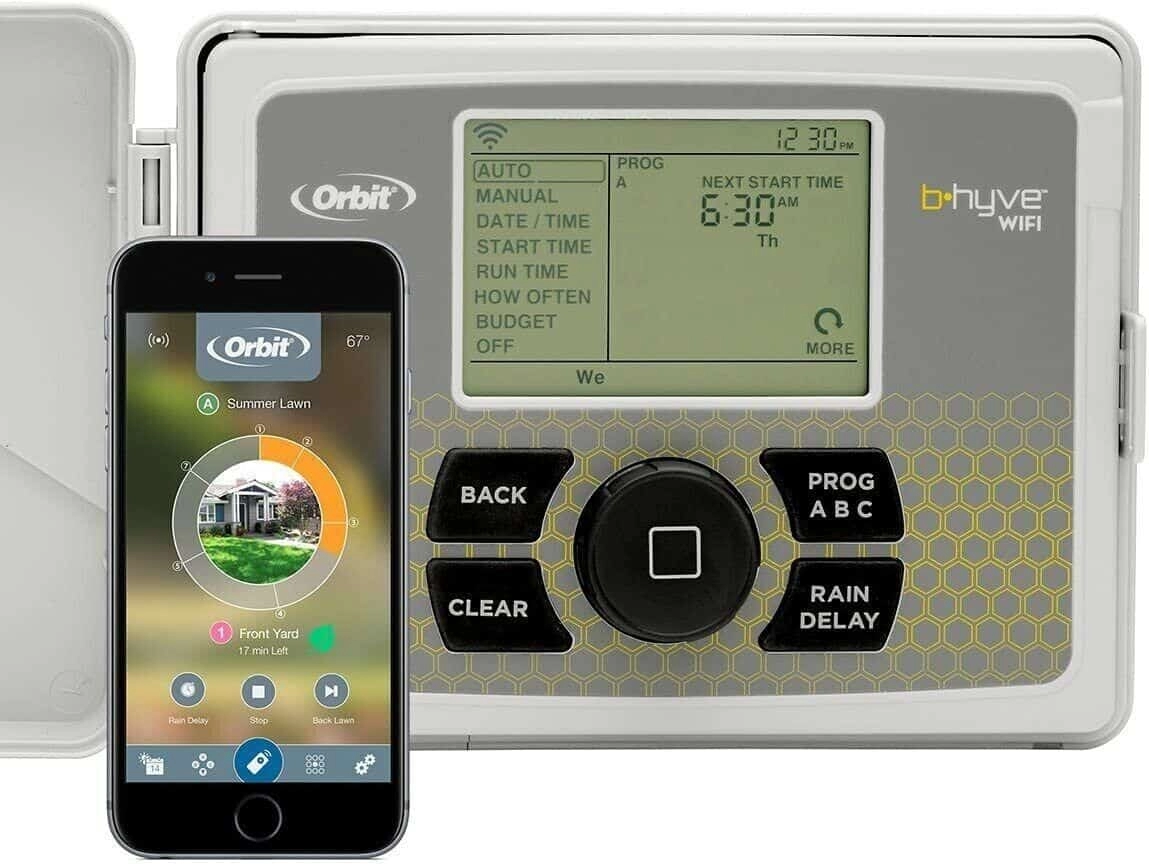
Affordable sensors prevent overwatering by assessing when your soil truly needs water. These tools take guesswork out of irrigation scheduling.
-
Windbreaks & Shade Cloth to Reduce Transpiration
Shield plants from harsh winds and midday sun using physical barriers. This slows water loss via leaves and keeps your garden cooler.
-
Group Plants by Water Needs (Hydrozoning Blueprint)
Arrange plants with similar water requirements together to tailor irrigation and avoid waste. This strategy aligns perfectly with water-wise plants, including some of the best low-water choices for your region, like those featured in waterwise plants for Utah.
-
Harvest Condensation with DIY Dew Traps & Fleece
Create simple dew-catching setups using cloths stretched between posts. In the early morning, collect water droplets from these traps for supplemental watering.
These hacks work together to make sustainable gardening easier, cutting your water bill while keeping your garden lush and healthy all year round.
Tools & Materials Roundup
When it comes to efficient irrigation hacks, having the right tools and materials makes all the difference. Here’s a quick budget-friendly rundown to help you plan sustainable gardening water use without overspending.
Budget Chart: From Free to $100
- Free
- Reuse old plastic bottles for DIY self-watering systems
- Collect kitchen scraps and leaves for mulch
- Build simple windbreaks using scrap wood or fabric
- Under $20
- Basic soaker hose sections or a roll of drip irrigation tubing
- Moisture meters and rain sensors (many good models start under $25)
- Coconut coir or vermiculite for water-retentive soil amendments
- $20–$100
- Rain barrels with proper spigot fittings (some affordable options available in 2026)
- Clay pots (ollas) for slow, deep watering
- Root watering spikes or PVC pipe kits for deep-root watering
Recommended Affordable Products
- Rain Barrels
Investing in a sturdy rain barrel lets you harvest valuable rainwater for irrigation. Look for models with built-in filters and easy tap access. For sustainable water use, these are a game-changer and often available online with new models for 2026. - Clay Olla Pots
DIY or buy ollas online—they’re ancient, low-tech, and hugely effective. Their slow-release irrigation cuts water use dramatically. - Soil Moisture Meters & Rain Sensors
These tools are great for avoiding overwatering and ensuring you only water when necessary. Affordable options under $25 help optimize your garden’s moisture levels and save water.
By mixing free hacks with a few smart purchases, you can build a highly efficient irrigation setup that fits your budget and garden needs. For example, combining rainwater harvesting with a soaker hose setup is a solid foundation. This approach supports low-water gardening hacks that reduce your overall garden water bill without sacrificing healthy growth.
For tips on growing resilient plants alongside these watering techniques, check out growing advice on manure and soil health to boost moisture retention naturally.
Seasonal & Regional Adjustments
Irrigation needs shift a lot depending on your climate and season, so adapting your watering habits is key for sustainable gardening success.
Hot/Dry vs Humid Climates
In hot, dry areas, water evaporates quickly. You’ll want to water deeply but less often, focusing on early mornings to reduce loss. Mulching and shade cloths become essential to keep soil moist longer. Conversely, in humid regions, overwatering is a common mistake since the air already holds a lot of moisture. Here, lighter, more frequent watering works better, and drainage improvement is a must to avoid root rot.
Summer vs Winter Watering
Summer usually means more watering—plants are actively growing and soil dries faster. Stick to deep watering early in the morning to maximize absorption and reduce evaporation. In winter, many plants are dormant, so cut back watering to prevent soggy soil and fungal issues. Adjust based on your specific plants’ needs and local weather.
USDA Zones Quick Reference
Knowing your USDA zone helps tailor irrigation plans. For example:
- Zones 1–4 (colder climates): Shorter growing seasons, less frequent watering, protect plants from frost damage.
- Zones 5–7: Moderate watering; focus on drought-tolerant varieties and mulching.
- Zones 8–11 (warmer climates): High heat means more frequent watering; use water-saving hacks like soaker hoses and greywater reuse.
For a deeper dive into seasonal planting strategies that complement efficient watering, exploring guides on cool season vegetable planting and managing crops during late summer can help you fine-tune your irrigation approach throughout the year.
Common Mistakes That Waste Water (and How to Fix Them)
Water-saving irrigation tips are only effective if you avoid common watering errors that waste precious resources. Here are the biggest mistakes and how to fix them:
-
Overwatering: Signs include consistently wet soil, yellowing leaves, and fungal growth. Overwatering stresses plants and wastes water. Instead, check soil moisture before watering and follow the golden rule: water deeply but infrequently.
-
Shallow Watering: Only wetting the surface encourages weak roots and frequent watering. Use deep root watering techniques or soak the soil 6-12 inches deep to promote strong, drought-resistant roots.
-
Watering at the Wrong Time: Evening watering or late afternoon can cause water to evaporate slowly or promote disease from damp leaves overnight. The best practice is to water early morning between 4 am and 9 am when temperatures are cooler and evaporation is minimal.
-
Ignoring Plant Grouping: Mixing thirsty plants with drought-tolerant ones results in uneven water use. Hydrozone your garden by grouping plants with similar water needs to tailor irrigation precisely without waste.
-
Neglecting Mulch and Soil Care: Bare soil loses water fast due to evaporation. Applying mulch reduces this loss by up to 70%, while soil amendments improve water retention—both are essential for eco-friendly irrigation methods.
Fixing these mistakes improves sustainable gardening water use and reduces your garden water bill significantly. For additional tips on reducing water use without sacrificing plant health, check out these five good reasons for waterwise gardening.