Understanding the Needs of Your Guests
Creating a hummingbird and butterfly-friendly backyard starts with knowing what these delicate pollinators require to thrive. Each has unique preferences that guide your plant and garden design choices.
Hummingbirds: Visual and Nutritional Essentials
Hummingbirds are drawn to vibrant red, tubular flowers. These shapes perfectly accommodate their long bills and tongues, making feeding easy and efficient. Choose low-water plants like Salvia and Zauschneria that produce abundant nectar, providing the high-energy fuel hummingbirds need to sustain their rapid wing beats. Their preference for bright colors and rich nectar makes selecting perennial nectar sources crucial in a sustainable landscape design.
Butterflies: Lifecycle and Habitat Needs
Supporting butterflies means catering to both adults and their larvae. Adult butterflies rely on nectar plants with broad, flat petals — ideal landing pads offering stable feeding spots. Include sun-basking areas, as butterflies need warmth to become active. Equally important are host plants, such as native drought-tolerant Asclepias (milkweed), which serve as breeding grounds for butterfly larvae, especially monarch butterflies. Differentiating nectar plants from host plants in your xeriscaping for pollinators helps create a holistic habitat.
By addressing these needs with a combination of tubular flowers for hummingbirds and nectar plus host plants for butterflies, your backyard will become a vibrant, water-wise haven recognized even by pollinator habitat certification programs.
Strategic Garden Design: The “Hydro-Zoning” Approach
When building a hummingbird and butterfly-friendly backyard with low-water plants, smart garden design is key. The hydro-zoning approach groups plants based on their water needs, making sure you don’t overwater drought-tolerant species. This saves water and keeps plants healthier—a core principle in water-wise gardening tips.
Position your sun-loving flowering plants where they’ll get plenty of sunlight, since both hummingbirds and butterflies rely on warm, bright spots. At the same time, use native shrubs as windbreaks to protect delicate blooms and offer shelter. This balance of sun and shelter can boost pollinator visits while supporting sustainable landscape design.
To keep your guests coming back from early spring to late fall, plan a continuous bloom schedule. Include late-blooming perennials and stagger flowering times so nectar sources don’t run out. This ensures hummingbirds and butterflies always have food nearby. For expert plant choices to fit your local climate and water-saving needs, check our guide on waterwise plants for Utah to see how xeriscaping for pollinators can be practical anywhere.
Top Low-Water Plant Selections (The Core List)
When aiming for a hummingbird and butterfly-friendly backyard with low-water plants, choosing the right species is key. These drought-tolerant natives and perennials not only save water but also provide rich nectar and habitat for your guests.
For Hummingbirds:
- Salvia species like Autumn Sage and Cleveland Sage are favorites, with their bright reds and tubular flowers attracting hummingbirds while thriving in dry conditions.
- Penstemon offers striking blooms that suit their high-nectar needs.
- Agastache, known for its aromatic leaves and abundant flowers, is a dependable nectar source.
- Zauschneria (California fuchsia) stands out as a late-blooming perennial, perfect for extending your garden’s food supply. You can find detailed tips on cultivating this plant in our guide to Zauschneria garrettii for hummingbirds.
For Butterflies:
- Asclepias (Milkweed) is essential for monarch butterfly host plants, supporting their complete lifecycle.
- Lantana provides nectar over a long season with clusters of colorful flowers.
- Echinacea and Rudbeckia are sturdy perennials loved by many butterfly species, offering flat landing pads.
- Achillea adds drought tolerance along with nectar-rich blooms.
Choosing these native drought-tolerant plants promotes sustainable landscape design and creates a vibrant, water-wise garden rich in perennial nectar sources for pollinators. For a bigger picture on growing a pollinator habitat in dry climates, check out our post on building a pollinator haven with plants and tips for arid regions.
Water Wisdom: Irrigation and Soil Prep
Good soil and smart watering are the backbone of a low-water hummingbird and butterfly-friendly backyard. Start by mixing in organic compost to your soil. Compost improves moisture retention while also helping with drainage — making it easier for drought-tolerant native plants to thrive. This is especially important when xeriscaping for pollinators, as it balances water needs without turning your garden into a soggy mess.
Next, mulch with organic materials like shredded bark or straw. Mulching cuts down evaporation, keeps roots cool during hot days, and helps maintain steady soil moisture. This simple step saves water and creates healthier conditions for perennials that hummingbirds and butterflies love.
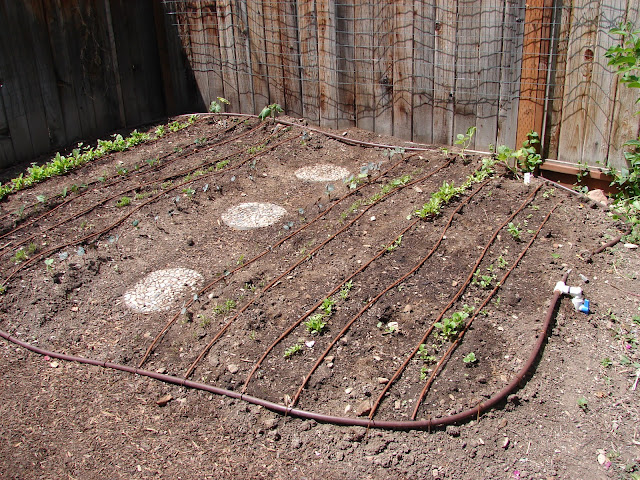
To deliver water where it’s needed most, switch to drip irrigation or soaker hoses. These systems target water directly to plant roots without waste, which is perfect for a hydro-zoning garden layout that groups plants by water needs. For practical tips on this, check out efficient irrigation guides like this drip irrigation for flower beds and efficient irrigation hacks for sustainable gardening success.
By prepping your soil properly and watering smart, you’ll support native drought-tolerant plants that keep hummingbirds and butterflies coming back all season long.
Beyond the Blooms: Habitat Essentials
Creating a hummingbird and butterfly-friendly backyard goes beyond just planting flowers. Providing habitat essentials is key to supporting these pollinators throughout their life cycles while keeping your garden eco-friendly.
Puddling Stations for Butterflies
Butterflies need more than nectar—they rely on puddling stations, shallow water dishes filled with sand or gravel, where they can sip essential minerals and stay hydrated. Place these stations in sunny spots to attract butterflies looking for sun-basking areas, which ties into their structural needs.
Safe Water Sources for Hummingbirds
Hummingbirds require safe, accessible water too. Gentle misters or shallow fountains provide the moisture they need without putting them at risk. Avoid deep or fast-moving water that can be hazardous.
The “No-Spray” Zone: Protecting Your Pollinators
A crucial habitat tip is to avoid pesticides and herbicides in your garden. These chemicals threaten both hummingbirds and butterflies by reducing their food sources and causing direct harm. Creating a “No-Spray” zone ensures your garden remains a safe haven for all pollinators, supporting a sustainable landscape design that promotes healthy local ecosystems.
By including these habitat essentials with your low-water plants, you help build a thriving, water-wise garden that’s not only beautiful but also a certified pollinator-friendly space. For additional tips on designing sustainable, drought-tolerant landscapes, check out practical ideas on creating a pollinator-friendly garden with low water use.
Maintenance: The “Lazy Gardener” Advantage
Keeping a hummingbird and butterfly-friendly backyard doesn’t mean spending hours every day. A few simple maintenance habits make a big difference while saving time.
- Deadheading: Regularly remove spent flowers to encourage your low-water plants to keep blooming longer. This simple step boosts nectar sources without heavy pruning or extra effort.
- Leave Leaves for Winter Shelter: Instead of raking all your leaves away, leave some in flower beds or under shrubs. These provide crucial winter shelter for overwintering pollinators like butterflies and beneficial insects.
- Watering Schedule: As your native drought-tolerant plants establish, taper down watering. Use deep, infrequent watering to encourage strong roots and improve drought resilience. This water-wise gardening tip supports sustainable landscape design and reduces your workload.
These easy habits help your garden thrive with less fuss, keeping it a reliable food and shelter spot for hummingbirds and butterflies year-round.