Understanding Pollinators in Dry Climates
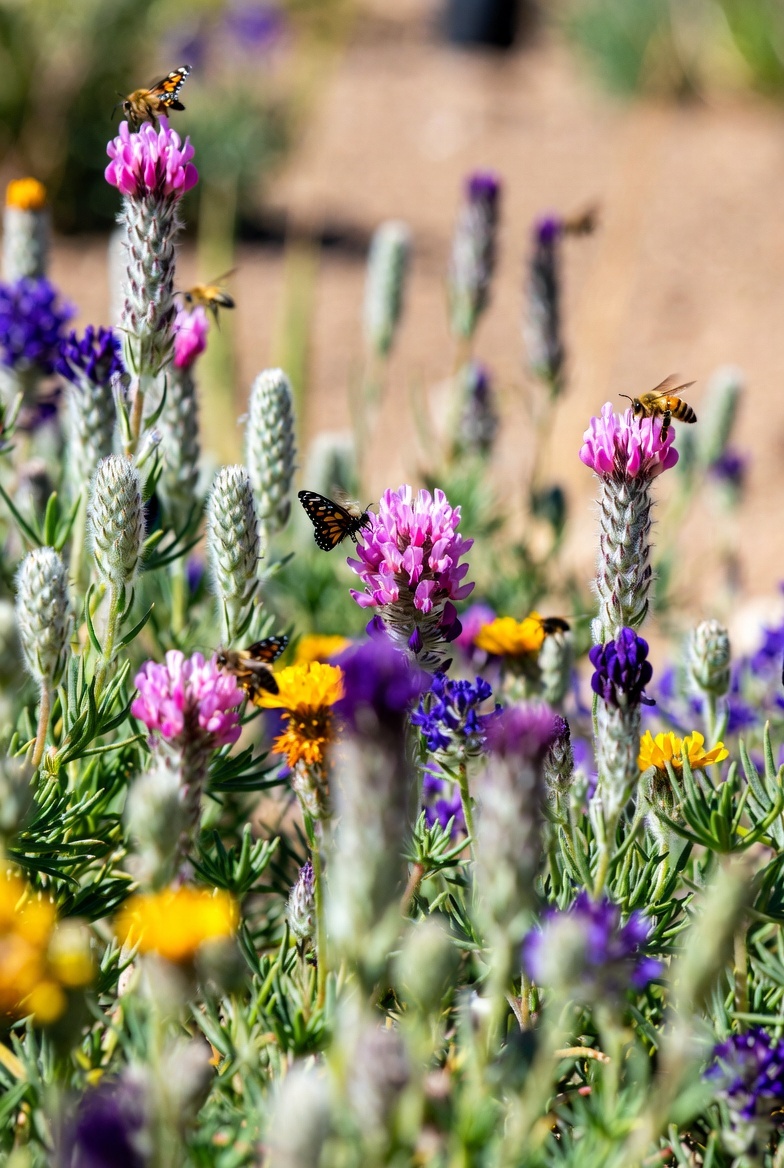
If you live in a dry, arid region, you might wonder: which pollinators can actually thrive here? Unlike lush gardens, desert and semi-arid areas host a unique cast of pollinators specially adapted to the heat and dryness. Knowing who they are and what they need is your first step to creating a thriving pollinator haven.
Key Pollinators in Arid Zones
Here’s your desert-friendly pollinator lineup:
- Native Bees: This group includes solitary bees like mason bees (Osmia spp.), carpenter bees (Xylocopa spp.), and sweat bees (Halictidae family). These bees are vital because they often specialize on native plants and are sturdy in hot climates.
- Bumblebees (Bombus spp.): Though more common in cooler areas, some species thrive in high desert zones, especially where microclimates offer shade and moisture.
- Butterflies: Desert-loving species like the Queen butterfly (Danaus gilippus) and Painted Lady (Vanessa cardui) are fluttering visitors that demand nectar-rich blooms.
- Hawk Moths (Sphingidae family): Active mostly at dusk and night, these moths pollinate pale, fragrant flowers, adding a delightful nocturnal buzz to your garden.
- Hummingbirds: High-energy little birds like the Anna’s hummingbird (Calypte anna) need nectar but also rely on places to perch and shady nooks to escape extreme heat.
- Bats: In some desert regions, nectar-feeding bats help pollinate night-blooming flowers like agave and ocotillo.
What Do These Pollinators Really Need?
Pollinators aren’t just looking for pretty flowers. To stick around, they count on specific essentials:
- Nectar and Pollen: Energy and nutrition sources vary by species but having a diverse, blooming plant palette ensures there’s always something available.
- Host Plants: For butterflies and moths, larvae need specific plants to feed on. Even if these leaves get munched, it’s a sign your habitat is working.
- Water: Even in arid zones, pollinators need water, often from dew, shallow pools, or moist soil. Small water features or damp soil patches can save lives during hot spells.
- Nesting Sites: Many native bees are ground-nesters and need patches of undisturbed bare soil. Carpenter and mason bees require dead wood, hollow stems, or drilled wood blocks to lay their eggs.
- Shelter from Heat: Shade from shrubs, rocks, or garden structures helps avoid lethal mid-day temperatures, especially during summer’s peak.
By understanding these needs, you can build a garden that doesn’t just survive but truly supports pollinators thriving under the desert sun. It’s not just a garden—it’s a lifeline for your local ecosystem.
Core Principles of Arid-Region Pollinator Gardening
When building a pollinator haven in dry climates, start by choosing mostly native and climate-adapted plants—these should make up about 95% of your garden. Native plants are naturally suited to your area\’s conditions and provide the best food and habitat for local pollinators. This approach blends perfectly with xeriscaping principles, which focus on water-efficient landscaping. By combining xeriscape techniques with pollinator-friendly planting, you create a garden that saves water while supporting wildlife.
Here are some key strategies to keep in mind:
- Work with native plants: They need less water, resist pests better, and attract native bees, butterflies, hummingbirds, and other pollinators native to your region. If you’re curious about choosing the best natives, check out this guide on understanding what defines a native plant.
- Apply the 7 xeriscape principles with pollinators in mind: These include planning and design, soil improvement, practical turf areas, efficient irrigation, plant selection, mulching, and proper maintenance. Each step helps conserve water and supports healthy pollinator habitats.
- Harvest and recycle water: Use rainwater catchment systems or design your landscape to capture runoff. Directing water to key planting areas helps plants thrive without excess irrigation.
- Use mulch wisely: Heavy organic mulch not only retains moisture but also provides shelter for ground-nesting bees and other beneficial insects. Avoid thick rock mulches in areas meant for pollinators, as they don\’t support insect life as well.
- Improve soil quality: Amend soil with compost or natural materials to increase water retention and provide a nutrient-rich base, which benefits both plants and pollinators.
By focusing on these core principles, your arid-region pollinator garden can flourish with vibrant blooms and thriving pollinator populations, all while conserving precious water. For more tailored water-wise plant choices suitable for dry areas, you might explore options in the detailed resource on waterwise plants for Utah, which offer great insights applicable across arid zones.
Top 30 Drought-Tolerant Pollinator Plants for Arid Regions
Creating a thriving pollinator haven in dry climates means picking plants that can handle heat and low water but still attract bees, butterflies, hummingbirds, and more. Here’s a solid list of drought-tolerant pollinator plants ideal for USDA zones 7–10, grouped by type, with bloom seasons, heights, water needs, and the pollinators they support.
Perennials & Sub-Shrubs
- Blanketflower (Gaillardia pulchella)
| Bloom: Spring to fall | Height: 1–2 ft | Water: Low | Pollinators: Bees, butterflies | - Salvia greggii (Autumn Sage)
| Bloom: Spring–Fall | Height: 2–3 ft | Water: Low | Pollinators: Hummingbirds, bees | - Texas Ranger (Leucophyllum frutescens)
| Bloom: Summer | Height: 3–6 ft | Water: Very low | Pollinators: Native bees, butterflies | - Desert Marigold (Baileya multiradiata)
| Bloom: Spring–Fall | Height: 1–2 ft | Water: Low | Pollinators: Bees, butterflies |
Annuals & Self-Seeding Plants
- Desert Bluebells (Phacelia campanularia)
| Bloom: Spring | Height: 1 ft | Water: Low | Pollinators: Native bees, honey bees | - California Poppy (Eschscholzia californica)
| Bloom: Spring–early summer | Height: 1–2 ft | Water: Low | Pollinators: Bees, butterflies | - Mexican Hat (Ratibida columnifera)
| Bloom: Summer | Height: 2–3 ft | Water: Low | Pollinators: Bees, butterflies |
Shrubs & Small Trees
- Desert Willow (Chilopsis linearis)
| Bloom: Late spring to fall | Height: 15–30 ft | Water: Low | Pollinators: Hummingbirds, bees | - Turpentine Bush (Ericameria laricifolia)
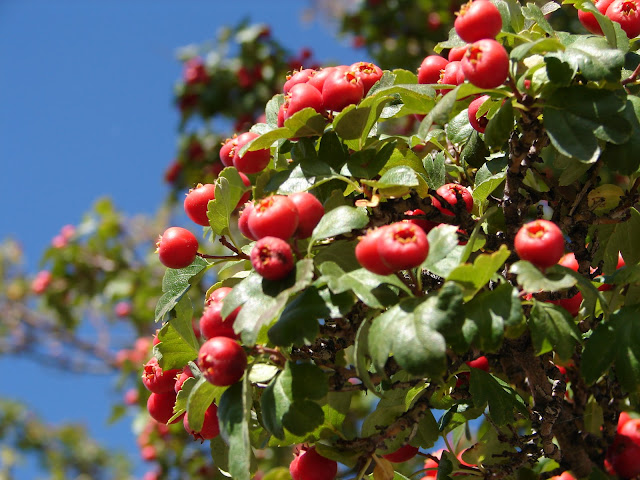
| Bloom: Late summer–fall | Height: 3–6 ft | Water: Low | Pollinators: Native bees, butterflies | - Hawthorn (Crataegus spp.)
| Bloom: Spring | Height: 15–25 ft | Water: Low to moderate | Pollinators: Bees, butterflies |
(Related planting tips for this small tree can be found in our detailed hawthorn small waterwise tree guide)
Grasses & Larval Host Plants
- Blue Grama Grass (Bouteloua gracilis)
| Bloom: Summer | Height: 1–2 ft | Water: Very low | Pollinators: Supports butterfly larvae, native bees | - Milkweed (Asclepias spp.)
| Bloom: Summer | Height: 2–5 ft | Water: Low | Pollinators: Monarch butterflies (larval host), bees | - Goldenrod (Solidago spp.)
| Bloom: Late summer–fall | Height: 2–4 ft | Water: Low | Pollinators: Bumblebees, butterflies |
These plants provide a steady food source and habitat from early spring through fall, essential for desert pollinators facing long dry spells. Pairing these with water-saving gardening strategies boosts your garden’s success and creates a vibrant ecosystem for species like native bees, mason bees, and hummingbirds.
For more ideas, you can explore waterwise groundcovers like the hardy ice plant that complement this palette well, enhancing moisture retention while supporting pollinators in arid landscapes.
Hardy ice plant waterwise groundcover details provide useful companions for your pollinator garden.
Designing Your Pollinator Haven Layout
When planning your pollinator garden in an arid region, start by observing your yard’s microclimates. Most desert yards have sunny spots that get intense heat and part-shade areas protected by structures or trees. Match your plants accordingly: sun-loving drought-tolerant pollinator plants thrive in full sun, while others may need some afternoon shade to survive and encourage longer blooming.
Plant in drifts and layers to create inviting spaces for pollinators. Begin with low-growing groundcovers that provide nectar and pollen at the base, then add mid-height perennials and sub-shrubs to offer mid-level resources. Finish with taller shrubs or small trees as accents, which also provide shelter and nectar. This layering not only looks natural but supports a wide range of pollinators like native bees, butterflies, and hummingbirds.
To keep pollinators visiting all season, design for bloom succession—from early spring through fall. Choose a mix of early-blooming perennials, long-flowering sub-shrubs, and self-seeding annuals so something is always in flower. Including larval host plants is crucial even if their leaves are nibbled. Caterpillars and moth larvae depend on these plants to complete their life cycles, which means more butterfly and moth pollinators visiting later.
By thoughtfully designing with layers, bloom timing, and microclimate in mind, you’ll create a thriving, water-wise pollinator haven suited to your desert garden. For additional seasonal planting ideas that save water, check out our guide on spring bulbs that are waterwise.
Essential Habitat Features Beyond Plants
Creating a pollinator haven in arid regions means more than just planting drought-tolerant pollinator plants. Many native bees and other pollinators need specific habitat features to thrive. Here’s what to include:
| Habitat Feature | Purpose | Tips |
|---|---|---|
| Bare ground & sand patches | Ground-nesting bees (about 70% of native bees) need loose, bare soil to dig nests | Leave some areas uncovered and undisturbed |
| Bee hotels and drilled wood blocks | Provide homes for mason, carpenter, and other cavity-nesting bees | Use untreated wood; avoid sealing holes with resin |
| Brush piles, rock piles, dead wood | Shelter from heat, predators, and harsh weather for bees, bats, butterflies | Build low piles in shaded or semi-shaded spots |
| Shallow water sources with landing stones | Pollinators need water but can’t land on deep water | Use bee fountains or birdbaths with flat stones or floating corks |
Providing these extra habitat features supports the full life cycle of many pollinators. For example, a shallow water source near native plants lets hummingbirds and bees hydrate without risk, while rock piles offer cool retreats from the desert heat.
Including these elements complements your low-water pollinator habitat perfectly and boosts overall biodiversity in your xeriscape pollinator garden. For more ideas on water-wise ground covers that fit well with these habitat features, check out this guide on six water-wise ground cover options.
Water-Saving Techniques That Still Support Pollinators
Saving water while keeping your pollinator garden thriving in arid regions means smart watering and mulch choices. Here’s how to balance water conservation with pollinator health:
- Deep, infrequent watering: Water deeply but less often. This encourages strong, drought-tolerant roots and reduces surface evaporation, creating healthier plants that provide consistent nectar and pollen.
- Basin irrigation and olla pots: Using basin irrigation (watering at the base of plants) or traditional clay olla pots can deliver moisture directly to roots without waste. These methods keep surrounding soil dry, helping avoid unwanted weed growth and supporting pollinators by maintaining healthy blooms. For tips on drip irrigation that works well in dry climates, check out this detailed guide to drip irrigation.
- Mulch: organic vs. rock: Heavy organic mulches like shredded bark or compost keep soil moist longer and improve soil health, which benefits pollinator-friendly plants. Rock mulches hold heat longer and don’t break down, so they don’t enrich soil or protect soil-dwelling insects well. For pollinator health, organic mulch is usually the better choice.
- Rainwater and greywater use: Harvest rainwater or redirect greywater from sinks and showers to your garden to reduce reliance on tap water. Using these alternative water sources can keep your pollinator plants hydrated during dry spells without wasting precious potable water.
By combining these strategies, you create a water-wise pollinator garden that thrives in arid conditions without compromising on the needs of native bees, butterflies, and hummingbirds.
Year-Round Maintenance Calendar for Arid Pollinator Gardens
Maintaining a pollinator garden in arid regions means working with the seasons to keep your plants healthy and support pollinators year-round. Here’s a simple guide for each season:
Spring
- Prune lightly to encourage new growth but avoid heavy cuts that stress plants.
- Leave some seed heads from the previous season; they provide food and shelter for native bees and butterflies.
- Start watering deeply but infrequently to teach plants to reach deeper for moisture.
Summer
- Expect slower growth in the hottest months. Focus on mulching heavily to keep roots cool and soil moist.
- Avoid cutting back plants now, as many pollinators rely on summer blooms.
- Keep an eye on your water-wise hummingbird plants and other summer bloomers to support hummingbirds and moths.
Monsoon Season (where applicable)
- Take advantage of natural rains by easing up on supplemental watering.
- Monitor for disease or pests, which can crop up with humidity.
- Deadhead spent flowers to encourage a second bloom wave—especially important for annuals and self-seeding plants.
Fall
- Prune back dead or dying stems after most flowers fade but leave some structure for overwintering insects.
- Prepare your garden for cooler weather by adding fresh mulch or organic matter.
- Save some seed heads to help pollinators stock up for winter.
Winter
- Minimal watering is needed; most native plants rest during this time.
- Avoid “cleaning up” all fallen leaves or debris — many pollinators nest in leaf litter or bare ground, so leaving some natural clutter helps them survive cold months.
- Review your garden’s bloom schedule and plan any new plantings for early spring.
For detailed pruning guidance in your dry climate pollinator garden, check this helpful resource on the best times for pruning native plants in arid zones. Maintaining your garden intelligently through these seasonal tasks ensures a thriving, water-wise pollinator haven all year.
Common Mistakes to Avoid in Desert Pollinator Gardens
When building a pollinator haven in arid regions, some common missteps can limit success or even harm your local pollinators. Here are key mistakes to watch out for:
- Planting only succulents and cacti: While these are drought-tolerant, relying solely on succulents limits nectar and pollen sources. Most native bees and butterflies need a diverse mix of flowering perennials, shrubs, and herbs to thrive.
- Using pesticides or chemical fertilizers: These can be deadly to native bees, butterflies, bats, and hummingbirds. Even “safe” insecticides disrupt pollinator behavior and reduce populations.
- Removing all leaf litter and dead plant material: Many ground-nesting bees and other pollinators use leaf litter and dead wood for shelter or nesting. Clearing everything out removes valuable habitat features.
- Ignoring the need for larval host plants: Don’t just focus on nectar. Caterpillars need host plants to develop, so leave some leaves for feeding–even if it looks like the plants are “damaged.” Learn more about the balance of protecting plants while supporting pollinators in drought-prone gardens.
- Overwatering or watering too frequently: While water is scarce, excessive irrigation can harm heat-adapted plants and disrupt native bee nesting sites. Stick to deep, infrequent watering to conserve water and support pollinator health.
Avoiding these common traps will help you create a thriving, sustainable pollinator-friendly xeriscape garden suited for arid climates. For ideas on water-wise gardening in similar regions, check out these tips on creating successful waterwise gardens in Utah.
Real-Life Examples & Before/After Case Studies (Southwest US Yards)
Seeing is believing when it comes to building a pollinator haven in arid regions. Across the Southwest US, gardeners have transformed typical dry yards into thriving, low-water pollinator-friendly spaces by following xeriscape and native plant principles.
Example 1: Tucson, Arizona
A backyard once dominated by bare dirt and gravel was revamped using heat-tolerant flowering perennials and native shrubs like Desert marigold and Brittlebush. The addition of mason bee habitats and shallow water features turned it into a buzzing oasis for native bees and hummingbirds. Over two seasons, the yard saw a substantial increase in butterfly visits and pollinator diversity. This project combined water-wise hummingbird plants with creative water harvesting, cutting irrigation by 60% without sacrificing bloom density.
Example 2: Phoenix, Arizona
Another yard replaced a lawn with layered drifts of drought-tolerant pollinator plants including flowering sages and desert milkweed, supporting native bees and monarch butterflies. Incorporating rock piles and bee hotels encouraged ground-nesting bees and solitary species to take up residence. The planting design created continuous bloom from spring to fall, leveraging the monsoon season for a natural water boost. Their success proves how a low-water pollinator habitat benefits both wildlife and homeowners.
For those interested in the specific plant choices and seasonal maintenance that led to these transformations, my post on mountain wildflowers offers additional insights into regional native plants that thrive in similar conditions.
These before-and-after examples showcase practical steps you can replicate to create your own desert pollinator garden that flourishes year-round with minimal water.
Quick-Start 100 sq ft Pollinator Bed Plan
Starting your own pollinator haven in an arid region doesn’t have to be overwhelming. Here’s a simple, effective layout for a 100 sq ft pollinator bed that balances drought-tolerant plants, bloom succession, and habitat features to attract native bees, butterflies, and hummingbirds.
Layout Highlights:
- Sun-loving zone: Place heat-tolerant flowering perennials like blanket flower (Gaillardia) and desert milkweed (Asclepias subulata) where they get full sun.
- Part-shade corner: Include plants like desert marigold (Baileya multiradiata) and desert willow (Chilopsis linearis) in spots with afternoon shade.
- Ground cover layer: Use low-growing self-seeders such as desert alyssum and native grasses that also act as larval host plants.
- Nest-friendly areas: Leave patches of bare, sandy soil (about 10-15% of the bed) for ground-nesting bees.
- Shelter spots: Place small brush piles or bee hotels with drilled wood blocks along one edge.
- Water station: Add a shallow birdbath with landing stones or a bee fountain to give pollinators safe access to water.
Plant Suggestions for the Bed:
| Plant Name | Bloom Season | Height | Pollinators Attracted | Water Needs | USDA Zones |
|---|---|---|---|---|---|
| Blanket Flower (Gaillardia) | Spring-Fall | 12-18 in | Native bees, butterflies | Low | 7-10 |
| Desert Milkweed | Spring-Summer | 3-5 ft | Monarch butterflies, bees | Very low | 7-10 |
| Desert Marigold | Spring-Summer | 1-2 ft | Bees, flies, butterflies | Low | 7-10 |
| Desert Willow | Summer | 10-15 ft | Hummingbirds, bees | Low-moderate | 7-10 |
| Desert Alyssum | Spring-Summer | 6-12 in | Sweat bees, native bees | Low | 7-10 |
| Native Grasses (Mix) | Year-round | 1-3 ft | Larval host for butterflies | Very low | 7-10 |
Tips for Success:
- Plant in clusters or drifts for better visibility and easier pollinator access.
- Plan a bloom schedule that ensures at least one species is flowering from early spring until late fall.
- Avoid rock mulch where bees nest; use heavy organic mulch instead to retain soil moisture.
- Water deeply but infrequently, using rainwater harvesting or drip irrigation for efficiency.
For a detailed, illustrated version of this 100 sq ft pollinator garden plan, including plant spacing and seasonal bloom charts, you can download the comprehensive PDF from the resource section. This starter guide pairs well with other xeriscape pollinator garden strategies discussed earlier, helping you create a thriving, water-wise habitat.
If you want ideas on companion planting and seasonal blooms to extend your garden’s color and pollinator visits, check out the tips on top fall flowering waterwise plants to keep your garden buzzing late in the season.