How to Choose the Right Drought-Tolerant Plants for Your Oasis
Picking the perfect drought-tolerant plants for your backyard oasis starts with knowing your site and goals. Here’s what to focus on to set yourself up for success:
Know Your USDA Zone and Regional Needs
Your USDA hardiness zone guides which plants survive your winters. For example:
- Zones 8-10 (California, Texas, Arizona) favor Mediterranean and desert natives.
- Zones 5-7 suit tough perennials that handle seasonal dryness.
Quick regional tips:
| Region | Recommended Plant Types | Notes |
| ————- | —————————————- | —————————–|
| Southwest USA | Agave, Yucca, Texas Ranger | Heat and drought specialists |
| California | Lavender, Salvia, Russian Sage | Mediterranean lovers |
| Texas | Lantana, Salvia, Gaura | Thrives in heat and dry soil |
| Southeast USA | Lantana, Salvia, Bougainvillea | Heat-tolerant, humidity okay |
Soil Type Matters
Drought-tolerant plants crave well-draining soil—think sandy or rocky textures. Clay soils often trap water, so amend them by:
- Mixing in compost or grit
- Creating raised beds or berms for better drainage
Understand Sun Exposure
Match plants to your yard\’s light to ensure healthy growth:
- Full Sun (6+ hours): Most drought-tolerant plants like agave, yucca, and salvia thrive here.
- Partial Shade: Some lantanas and bougainvillea handle filtered light well.
- Shade: Limited options but try certain salvias or native shade-adapted plants.
Design Your Oasis with Layers
Create a welcoming, lush look by layering plants with different heights and textures:
- Tall: Yucca, Texas Ranger
- Medium: Lavender, Russian Sage, Salvia
- Ground cover/trailing: Lantana, Agave pups, Bougainvillea (trained low)
Mix spiky foliage with soft, fragrant flowers to give your garden depth and year-round interest. This combo makes your oasis feel natural yet luxurious, even with low water use.
By blending your climate, soil, light, and design, you’ll pick drought-tolerant plants that don’t just survive but shine, turning your backyard into a stunning, low-maintenance oasis.
The Top 10 Drought-Tolerant Plants for a Luxurious Backyard
Creating a stunning, water-wise backyard starts with the right plants. Here are 10 top drought-tolerant picks that bring beauty, texture, and color without demanding much water.
Lavender (Lavandula spp.)
Especially varieties like ‘Provence’ and ‘Hidcote’, lavender offers fragrant purple blooms and silvery-green foliage. Thriving in USDA zones 5-9, plants grow about 2-3 feet tall and wide. They prefer full sun and well-drained soil, making them perfect for Mediterranean-style gardens or as fragrant borders.
Agave (Agave parryi, ovatifolia, ‘Blue Glow’)
Agaves are sculptural, architectural plants that serve as dramatic focal points. Extremely drought-tolerant, they need almost no supplemental watering once established. Their spiky rosettes come in shades of blue-gray and green, pairing well with other succulents or gravel garden accents.
Salvia (Salvia greggii, leucantha, ‘Mystic Spires’)
Known for their long blooming seasons, these salvias add vibrant reds, purples, and blues that attract hummingbirds. They are hardy in zones 7-10 and tolerate heat well. Salvia works great as mid-height fillers that keep your oasis lively with color.
Lantana (Lantana camara)
Whether trailing or upright, lantanas bring bright tropical colors like orange, yellow, and pink. These heat lovers prefer full sun and are great for low water landscapes in warmer climates. Sterile cultivars are popular to prevent unwanted spreading.
Texas Ranger / Leucophyllum frutescens
A southwest classic, this shrub features silvery leaves and purple blooms that pop against dry backgrounds. It thrives in zones 7-9 and offers a compact form with varieties like ‘Compacta’ and ‘Green Cloud’. Perfect for adding drought-tolerant color and texture.
Yucca (Yucca rostrata, filamentosa ‘Color Guard’)
Yuccas provide architectural drama with spiky leaves and tall flower stalks. Hardy and tough, they withstand heat and drought in zones 5-10. The ‘Color Guard’ variety brings variegated green and yellow foliage that works well in xeriscape gardens.
Kangaroo Paw (Anigozanthos hybrids)
An exotic choice from Australia with fuzzy, tubular flowers in reds, yellows, and greens. Their unique texture adds interest and they thrive in warm, dry conditions. Great for adding a tropical twist to your water-wise perennial garden.
Gaura lindheimeri (‘Whirling Butterflies’, ‘Siskiyou Pink’)
Delicate, airy flowers that seem to dance in the breeze. These plants grow 2-4 feet tall in zones 5-9 and prefer full sun with well-drained soil. Their subtle pink and white blooms add softness and movement to dry garden designs.
Russian Sage (Perovskia atriplicifolia)
Tall and statuesque, Russian Sage fills the back of borders with airy, lavender-blue flowers and aromatic silver foliage. It’s drought tolerant once established and thrives in zones 4-9, making it a staple for low water plants in many regions.
Bougainvillea (dwarf and standard varieties)
Known for explosive color in shades of pink, purple, and orange, bougainvillea adds instant impact. They can be trained on walls, pergolas, or grown in pots. Bougainvillea prefers warm climates and full sun, perfect for poolside drought-tolerant planting or vibrant xeriscaping.
These plants offer a blend of textures, colors, and forms to turn any backyard into a lush, low-maintenance oasis. For more options to create colorful xeriscaping, you might also explore our guide on annuals for summer color which pairs well with drought-tolerant landscaping ideas.
Planting & Establishment Tips So They Actually Thrive
Getting your drought-tolerant plants off to a strong start is key to a thriving backyard oasis. Here’s how to set them up for success:
- Water Deeply But Infrequently During the First Season: Water each plant thoroughly to encourage deep root growth, but avoid daily watering. This helps plants develop resilience and reduces water usage long term.
- Amend Soil Properly: Most drought-tolerant plants prefer well-draining soil. Mix in organic matter or coarse sand to improve drainage without retaining too much moisture. This is especially important if you have heavy clay soil.
- Mulch Wisely: Use a 2-3 inch layer of organic mulch like bark or gravel to retain soil moisture, suppress weeds, and keep roots cool. Avoid piling mulch directly against stems or trunks to prevent rot.
- Plant at the Right Time by Region: In warmer zones, early spring or fall is ideal to avoid extreme summer heat. For cooler or transitional zones, late spring after the last frost ensures better establishment. Planning your planting schedule is crucial, especially in arid climates.
For more tips on preparing your planting soil for seasonal success, check out this detailed guide on planting cool-season vegetables — the principles of soil prep and timing apply broadly to drought-tolerant landscaping ideas as well.
Following these basics gives your xeriscape plants the best chance to flourish with low water needs, making your backyard oasis both beautiful and sustainable.
Design Ideas – Creating the Ultimate Low-Water Oasis
Creating a stunning low-water backyard oasis is all about smart design that balances beauty and function. Here are some easy ways to bring your drought-tolerant landscaping ideas to life:
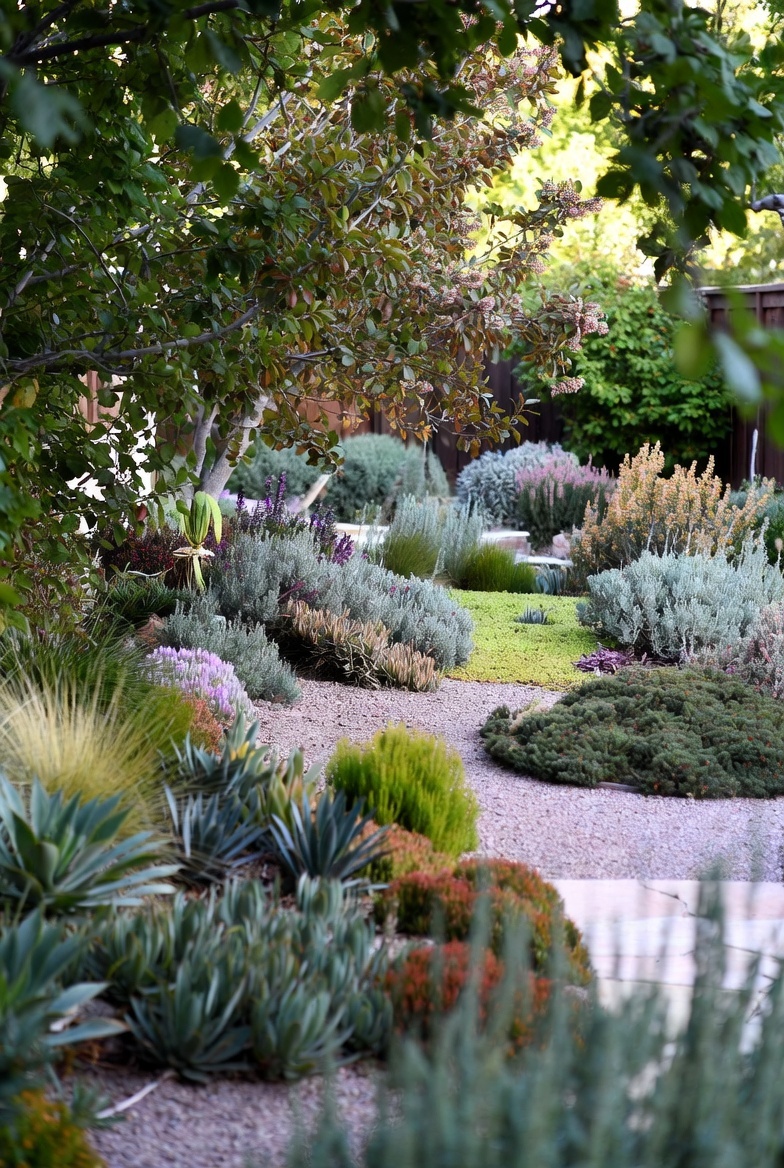
- Layer heights and textures: Mix tall architectural plants like yucca or agave with mid-height staples like salvia or Russian sage, and finish with low ground covers or trailing lantana. This layered look adds depth and visual interest while maximizing your space.
- Use gravel gardens and dry creek beds: These features add natural drainage, prevent erosion, and offer a clean, modern look that complements xeriscape plants for backyard areas. You can also add boulder accents to create focal points and break up open spaces.
- Combine with hardscape elements: Integrate stone or concrete patios, pathways, or retaining walls to define zones within your garden and reduce overall water use. Hardscape surfaces work perfectly with Mediterranean garden plants and succulents for full sun.
- Add night lighting to enhance drama: Low-voltage or solar landscape lighting highlights the textures and shapes of drought-tolerant plants, giving your oasis a magical glow after sundown. Focus lights on feature plants like agave or bougainvillea for extra impact.
These design ideas not only conserve water but also create a diverse, low-maintenance backyard that looks inviting year-round. For more tips on combining water-wise perennial garden plants with functional design, explore some waterwise garden ideas in Utah that work well in dry climates.
Water-Saving Stats & Environmental Benefits
Choosing drought-tolerant plants can save you significant water each year. On average, a well-planned xeriscape garden can reduce outdoor water use by 30-60%, translating to thousands of gallons saved annually depending on your yard size and local climate.
| Benefit | Details |
|---|---|
| Water savings | 20,000+ gallons per year possible |
| Pollinator support | Attracts bees, butterflies, hummingbirds |
| Wildlife value | Provides habitat for small animals |
| Native vs. Adapted | Natives support local ecosystems; adapted plants save water and add variety |
Drought-resistant natives are often best for local wildlife because they\’re naturally suited to your area’s pollinators and animals. However, adapted species like Lavenders or Agaves also thrive with less water and offer unique textures and colors to your oasis. The key is mixing both for a diverse, resilient garden.
Besides conserving water, these plants reduce maintenance, lower your irrigation costs, and contribute to a healthier environment by cutting runoff and erosion. Plus, many drought-tolerant choices are deer-resistant and less prone to pests, helping keep your backyard peaceful without chemicals.
For inspiration on heat-tolerant flowering plants that thrive with less water, check out our guide on ornamental peppers known for their drought resilience and vibrant colors.