If you’re ready to transform your outdoor space into a vibrant, pollinator-friendly garden with low water use, you’re in the right place. As water scarcity tightens its grip and pollinator populations continue to decline, learning how to grow a garden that attracts bees, butterflies, and hummingbirds—while slashing your water bill—is not just smart, it’s essential. This guide cuts through the noise with practical, proven steps to design a beautiful, drought-tolerant garden that thrives in dry climates and works with nature, not against it. Let’s dive in and get your garden buzzing without draining your tap!
Core Principles: “Right Plant, Right Place” Philosophy
Starting your pollinator-friendly, low-water garden means embracing the simple yet powerful rule: plant the right species in the right spot. This isn’t just garden advice—it’s your first step toward a thriving, sustainable landscape that saves water and supports pollinators naturally.
Why? Because every plant has specific needs for soil type, sun exposure, and moisture. When you match those needs to your garden’s conditions, plants flourish with little extra water. For example, drought-tolerant native plants adapted to your region’s climate will thrive without constant irrigation, while struggling non-natives often demand more.
Here’s how to apply this:
- Observe your site: Note full sun, partial shade, or full shade areas.
- Test your soil: Is it sandy, clayey, or loamy? Each favors different plants.
- Choose natives adapted to your local conditions: They’ve evolved to thrive with minimal water.
- Avoid forcing exotic species where they don’t belong: It wastes water and pollinators won’t visit.
This principle not only conserves water but creates a garden that becomes a resilient sanctuary for bees, butterflies, hummingbirds, and other pollinators. Remember, working with nature beats fighting it every single time.
Mimic Local Native Ecosystems for Nearly Zero Supplemental Water
A key principle of water-wise pollinator gardening is to mimic your local native ecosystems. Native plants have evolved to thrive in the natural climate and soil of your region, meaning they rarely need extra watering once established. By replicating the natural plant communities and layering found in local habitats, you create a resilient garden that uses water efficiently and supports native pollinators like bees, butterflies, and hummingbirds.
This approach reduces your garden’s reliance on irrigation and bolsters biodiversity. It also means working with your environment, not against it, by selecting plants that suit your soil, rainfall, and temperature patterns. For example, choosing drought-tolerant native plants for pollinators in your area will keep your garden green and thriving with minimal water input.
If you\’re interested in how native landscaping principles can reduce water use even in challenging climates, check out this detailed guide on implementing the third principle of xeriscape gardening for water-smart landscapes.
The 3 Pillars: Native Plants, Habitat Features, and Water-Smart Practices
Creating a successful low-water pollinator garden hinges on three main pillars—native plants, habitat features, and water-smart gardening techniques. First, native plants are the backbone. These are naturally adapted to your region’s climate and soil, which means they thrive with little to no extra watering while providing essential nectar and pollen for bees, butterflies, and hummingbirds. Selecting drought-tolerant native plants for pollinators not only conserves water but also supports the local ecosystem.
Next, habitat features are crucial for inviting and sheltering pollinators. Think bee hotels, brush piles, and bare ground patches that provide nesting spots, plus shallow water sources with landing stones for hydration. These elements create a welcoming environment that keeps pollinators coming year-round.
Finally, water-smart practices tie it all together. This includes mulching to retain soil moisture, deep and infrequent watering, and using efficient irrigation methods like drip systems or rainwater harvesting. Together, these three pillars form a sustainable foundation for a vibrant, water-wise pollinator garden that benefits both wildlife and your landscape. For more on native plants and their role in water-wise gardening, check out this detailed guide on what is a native plant.
Step-by-Step: Planning Your Garden – Assess Your USDA Zone, Soil Type, Sun Exposure, and Local Rainfall
Before planting, start by understanding your garden’s basics. Knowing your USDA hardiness zone helps you pick drought-tolerant native plants for pollinators that thrive in your climate. Next, check your soil type—whether it’s sandy, clay, or loamy—as this affects water retention and plant health.
Also, pay attention to sun exposure. Most pollinator-friendly natives need full to partial sun, but some may prefer shade or filtered light. Finally, research your local rainfall patterns to plan irrigation smartly and avoid overwatering.
Getting these right means you’ll create a water-wise garden that supports pollinators while using minimal supplemental water. For more tips on preparing your soil and warming it early in the season, see our guide on warming up the soil in February.
Measure Your Space and Create a Simple Site Map
Before planting, take the time to measure your garden area accurately. Knowing the exact dimensions helps you plan where to place drought-tolerant native plants for pollinators and important habitat features. Use graph paper or a digital tool to sketch a simple site map that includes existing elements like trees, pathways, and structures. This map will guide you in organizing pollinator “hotels,” planting drift clusters, and mulching zones to maximize water-wise gardening benefits. A well-thought-out layout reduces water waste by matching plants to their best spots, which supports a sustainable landscaping for pollinators approach.
If you want ideas on tough, water-smart groundcovers, exploring how hardy ice plants thrive in waterwise gardens can inspire your layout choices.
Step-by-Step: Check Local Water Restrictions and Incentive Programs
Before you start planting, it’s important to know your local water rules. Many areas have restrictions on watering times or limits, especially during droughts. Checking these helps you avoid fines and water waste.
Also, look into incentive programs that encourage water-wise gardening. Rebates for rain barrels or compost bins can save you money and help collect rainwater for your pollinator garden. Turf removal rebates are another great way to convert thirsty lawns into drought-tolerant native landscapes, reducing water use drastically.
Taking advantage of these programs supports sustainable landscaping for pollinators and helps build a vibrant, low-water garden. For more ideas on waterwise trees that fit well into dry garden design ideas, you might find insights on the large waterwise burr oak helpful as a habitat feature.
Choosing the Best Drought-Tolerant Native Plants for Pollinators: Top Picks by U.S. Region
Selecting the right drought-tolerant native plants is key to attracting and supporting pollinators while keeping water use low. Here’s a quick regional guide to help you start your water-wise pollinator garden:
California
- California poppy (Eschscholzia californica) – vibrant blooms, loves sun and dry soil
- Ceanothus (California lilac) – early nectar source for bees
- Salvia spathacea (Hummingbird sage) – great for hummingbirds, drought-tolerant
Southwest
- Desert marigold (Baileya multiradiata) – bright yellow flowers, thrives in heat
- Cercidium floridum (Palo verde) – nitrogen-fixer and butterfly magnet
- Brittlebush (Encelia farinosa) – silvery leaves and nectar-rich blooms
Southeast
- Purple coneflower (Echinacea purpurea) – attracts butterflies and bees
- Black-eyed Susan (Rudbeckia hirta) – long blooming and drought resilient
- Florida tickseed (Coreopsis floridana) – cheerful yellow, supports native pollinators
Pacific Northwest
- Oregon grape (Mahonia aquifolium) – early pollen for bees
- Red columbine (Aquilegia formosa) – hummingbird favorite
- Sword fern (Polystichum munitum) – good groundcover for shady spots
Rocky Mountains
- Blanket flower (Gaillardia aristata) – drought-tolerant, colorful blooms
- Blue flax (Linum lewisii) – delicate blue flowers that attract butterflies
- Penstemon species – many native types favored by native bees
Texas
- Texas lantana (Lantana urticoides) – heat and drought tough, pollinator magnet
- Mealy blue sage (Salvia farinacea) – rich blue blooms attract bees
- Giant goldenrod (Solidago gigantea) – important late-season nectar source
Midwest
- Wild bergamot (Monarda fistulosa) – aromatic and bee-friendly
- Prairie blazing star (Liatris pycnostachya) – tall, spiky purple flowers
- Showy black-eyed Susan (Rudbeckia hirta) – drought resilient and bright
Northeast
- New England aster (Symphyotrichum novae-angliae) – essential fall nectar source
- Bee balm (Monarda didyma) – red flowers loved by hummingbirds and bees
- Goldenrod (Solidago spp.) – supports a wide range of pollinators
Each of these plants fits well with their region’s climate and local ecosystems, making them ideal drought-tolerant native plants for pollinators. For a detailed list on drought-tolerant plants that thrive with minimal water, including those perfect for bees and butterflies, you might find the guide to the top 5 plants that don’t need much water very useful.
Choosing species that bloom at different times also ensures a continuous food supply for your local pollinators throughout the growing season. This regional approach helps you create a sustainable, low-maintenance pollinator garden that respects water limits while supporting biodiversity.
Choosing the Best Drought-Tolerant Native Plants for Pollinators: Plant Profiles
When picking drought-tolerant native plants for your pollinator-friendly garden, it helps to know their bloom time, height, the pollinators they attract, and their water needs. This way, you can plan a garden that blooms from early spring through fall, supports a range of pollinators, and saves water.
- Bloom Time: Aim for a variety of plants that flower at different times. Early bloomers feed emerging native bees, mid-season blooms support butterflies and hummingbirds, and late bloomers provide vital nectar for monarch butterflies preparing to migrate.
- Height: Layer your garden with tall plants (3–6 feet) at the back, medium-height shrubs and perennials (1–3 feet) in the middle, and low-growing groundcovers (under 1 foot) in front. This not only looks natural but helps pollinators find flowers easily.
- Pollinators Attracted: Different plants attract different pollinators. For example:
- Native bees: Love plants like purple coneflower and goldenrod.
- Butterflies: Milkweed and verbena are excellent nectar and host plants.
- Hummingbirds: Fuchsia and columbine provide delicious nectar.
- Water Needs: Even drought-tolerant natives vary. Some, like California poppies and desert marigolds, thrive with almost no supplemental watering, while others like swamp milkweed might need occasional moisture in dry spells.
Matching plants to your local climate and water availability is key. Many gardeners find it helpful to refer to regional guides that list top drought-tolerant native plants with detailed info on their bloom periods, growth habits, and pollinator visitors.
For example, if you’re in California, consider native pollinator plants like California fuchsia and manzanita. In the Southwest, desert willow and agave work well. Knowing these details keeps your garden beautiful, buzzing, and water-wise.
If you want to extend flowering and support pollinators even in the fall, check out this article on top fall-flowering waterwise plants that fit perfectly into a low-water pollinator garden.
Best Nectar & Host Plants for Monarchs, Native Bees, Hummingbirds
Choosing the right plants is key to attracting pollinators while keeping water use low. For monarch butterflies, plant native milkweed species like Asclepias tuberosa (butterfly weed) or Asclepias fascicularis (narrowleaf milkweed). These are essential host plants where monarchs lay eggs and their caterpillars feed.
Native bees thrive on a mix of flowering shrubs and wildflowers such as blanket flower (Gaillardia), coneflowers (Echinacea), and goldenrod (Solidago). These plants offer nectar and pollen throughout the season and usually require little water once established.
For hummingbirds, include tubular blooms like penstemon, salvia, and columbine (Aquilegia). These drought-tolerant natives provide rich nectar sources and shape that suits hummingbird feeding.
By focusing on plants that serve as both nectar sources and host plants, your pollinator-friendly garden stays vibrant and water-wise. To time your planting for best results, check tips like when to plant in your region, for instance, detailed ideas for planting garlic or peas can guide you on seasonal timing which applies broadly to native plants too. For example, you can find helpful planting schedules at resources like when to plant peas or beets in specific areas.
Garden Design & Layout Tips for Maximum Impact & Minimum Water
Layering Plants for Year-Round Blooms
One of the best tricks for a drought-tolerant native pollinator garden is layering your plants by height—from tall to medium to groundcover. This approach not only creates visual interest but also maximizes space and water efficiency.
- Tall plants like native flowering shrubs or perennial stalks catch the eye and provide shelter.
- Medium-height plants fill in the middle zone, offering ample nectar for bees, butterflies, and hummingbirds.
- Groundcovers help retain soil moisture, protect roots, and reduce evaporation, cutting down water needs.
By mimicking natural ecosystems this way, your garden will have blooms across different seasons, supporting pollinators year-round without extra watering. Plus, layering helps shade the soil and keeps it cooler, which further reduces water loss.
For more ideas on drought-friendly plant layering and sustainable landscaping, consider checking out practical tips on organic gardening methods, which share insights on soil and plant care to reduce water use.
Creating Drift Plantings Instead of Single Specimens
Instead of planting individual flowers or shrubs spaced far apart, group the same species together in clusters or \”drifts.\” This approach mimics natural landscapes where pollinators are used to finding patches of their favorite plants. Drift plantings create vibrant visual impact and make it easier for bees, butterflies, and hummingbirds to move efficiently from flower to flower.
Benefits of drift plantings for a low-water pollinator garden include:
- Better water retention: Clusters reduce soil evaporation by shading the ground.
- Improved pollinator attraction: Larger patches are easier for pollinators to spot and feed on.
- Easier maintenance: Watering and mulching in groups saves time and resources.
- Stronger plant health: Plants growing closely benefit from microclimate effects, buffering heat and drying winds.
Plan your drifts based on bloom time and pollinator preferences to keep your garden lively all season. Combine drip irrigation or olla pots near these groupings to maximize water efficiency. This technique is a simple but powerful way to boost the effectiveness of drought-tolerant native plants for pollinators while minimizing water use.
Pollinator “Hotels” and Flight Paths
Creating pollinator “hotels” and designing clear flight paths are key to a water-wise pollinator garden with maximum impact. Pollinator hotels provide essential nesting spots for native bees and other beneficial insects, boosting local pollinator populations without needing extra water. You can build these using bundles of hollow stems, drilled wood blocks, or purpose-made kits placed in sunny, sheltered locations.
Flight paths are simply planting corridors that guide pollinators through your garden. Arrange plants in clusters or drifts that bloom sequentially, helping pollinators find food easily while minimizing wasted energy. These paths encourage repeated visits, increasing pollination success and overall garden health.
Tips for pollinator hotels and flight paths:
- Place hotels near native flowering plants that bloom over different seasons.
- Use a mix of heights to mimic natural habitats.
- Avoid placing hotels in overly wet areas to prevent mold or rot.
- Design flight paths as connected groupings rather than isolated plants.
- Incorporate mulch and rocks to create warm resting spots along flight routes.
With these strategies, your garden becomes a thriving, sustainable habitat that supports bees, butterflies, and hummingbirds while keeping water use low. If you want design ideas for dry climates, check out some inspiring mountain wildflowers that attract pollinators naturally.
Mulching Strategies That Eliminate Almost All Watering After Establishment
Mulching is a key strategy in any low-water pollinator garden. A good mulch layer helps retain soil moisture, regulate temperature, and suppress weeds, which means you’ll barely need to water once your plants are established. Here’s how to mulch smart for a drought-tolerant pollinator garden:
- Use organic mulches like shredded bark, wood chips, or leaf litter. They slowly break down, enriching the soil and supporting beneficial microbes and fungi.
- Apply mulch 2-4 inches deep around plants but keep it a few inches away from stems to prevent rot and pests.
- Avoid dyed or colored bark mulches, as these can contain chemicals harmful to pollinators and may disrupt natural soil processes.
- Top up mulch yearly to maintain a thick, protective layer that reduces evaporation and keeps roots cool in hot weather.
By mulching well, you create a self-sustaining soil environment that significantly cuts your garden’s water needs, supporting native plants and the pollinators that rely on them.
For a great example of a low-water grass option to complement mulch beds, check out our guide on blue oat grass, a drought-tolerant native that thrives with minimal water.
Soil Preparation – Why Most People Overwater: Poor Soil Structure
One of the biggest reasons gardens waste water is because of poor soil structure. Soil that’s compacted or heavy with clay doesn’t let water soak in well. Instead, water runs off or sits on the surface, making you think your plants need more watering. This leads to overwatering, which wastes water and can harm pollinator-friendly plants.
Good soil acts like a sponge. It holds moisture but also drains well, giving roots the air they need. When soil lacks organic matter and beneficial microbes, its texture breaks down, forcing you to water more often. Improving soil structure is the first step to a drought-tolerant pollinator garden that thrives with less water.
Focus on loosening compacted soil and adding organic materials like compost. This helps create healthy, living soil that supports deep root growth—which is key for water-wise gardening. Better soil means healthier plants, less irrigation, and a more inviting habitat for native pollinators.
For more on drought-tolerant plants suited for water-smart gardens, see our guide on the most drought-tolerant native plants for pollinators.
Soil Preparation – Building Living Soil with Compost, Rock Dust, and Mycorrhizal Fungi
Healthy soil is the foundation of any low-water garden, especially when you aim to support pollinators. Building living soil means enriching your garden bed with natural ingredients that improve water retention and nutrient availability without adding extra irrigation. Start by mixing in compost to boost organic matter—this helps soil hold moisture longer and feeds beneficial microbes.
Adding rock dust introduces trace minerals that plants and soil organisms need but often lack in depleted soils. This mineral boost strengthens plant health and resilience against drought stress.
Most importantly, incorporating mycorrhizal fungi forms a symbiotic relationship with plant roots, extending their reach underground. These fungi help roots absorb water and nutrients more efficiently, drastically reducing how often you need to water. You can find mycorrhizal inoculants at garden centers or through native plant societies.
By combining these elements, you create thriving, living soil that supports drought-tolerant native plants and makes your pollinator garden truly water-wise—cutting down watering needs while helping bees, butterflies, and hummingbirds flourish. For a peek at which native perennials thrive on living soil, check out coreopsis, an excellent perennial loved by pollinators.
Soil Preparation – No-Till Methods for Dry Climates
In dry climates, preserving soil structure is key to a water-wise, pollinator-friendly garden. No-till gardening means you avoid digging or turning the soil, which helps keep its natural moisture levels and protects beneficial soil life like earthworms and mycorrhizal fungi. Disturbing the soil too much can dry it out faster and break down the structure that holds water.
Here’s how to apply no-till methods effectively:
- Add organic mulch like shredded leaves, straw, or wood chips to cover bare soil. This reduces evaporation and slowly breaks down to feed the soil.
- Layer compost and natural amendments on top instead of mixing them into the ground. Over time, soil microbes pull nutrients and moisture down where roots can reach.
- Plant cover crops or native groundcovers that protect soil from sun exposure and help improve water retention.
- Avoid heavy foot traffic on planting beds to keep soil loose and porous.
Using this no-till approach mimics natural ecosystems, promoting healthy, living soil that stores water and supports drought-tolerant native plants for pollinators. It’s a simple way to build a sustainable, low-maintenance garden that thrives without extra watering.
For more insights into creating habitat for native wildlife and low-water landscapes, check out guides on how spiders are our friends in natural gardens.
Smart Planting Techniques: Best Planting Seasons by Region
Timing your planting right is key to growing a drought-tolerant native pollinator garden that thrives with minimal water. Each region has its own ideal planting season based on climate and rainfall patterns. Here’s a quick guide:
- California & Southwest: Plant in late fall or early spring when winter rains help seedlings establish before the dry heat sets in. Avoid summer planting unless you can give extra care.
- Southeast: Early spring or late summer, right after rains, work best. Avoid the hottest mid-summer months to reduce stress on young plants.
- Pacific Northwest: Early spring after the last frost or early fall helps roots settle in before the wetter winter months. Seeds can also be sown directly in fall.
- Rocky Mountains & Midwest: Late spring after frost risk passes is ideal. Alternatively, fall planting lets plants settle in during cooler, wetter periods.
- Texas & Northeast: Late fall or early spring is best to avoid extremes of summer drought or winter freeze.
Planting during the right season encourages deep root growth faster, which means your garden will need less water over time. Using temporary shade cloth for summer planting can also help young plants survive heat spikes. For more on keeping your garden blooming through changing seasons, check out these tips on late summer gardening with heat-tolerant plants.
Smart Planting Techniques: How to Plant So Roots Grow Deep Fast
Getting pollinator plants to develop deep roots quickly is key to a low-water garden. Deep roots help plants access moisture far below the surface, reducing the need for frequent watering.
How to Encourage Deep Root Growth:
- Water Deeply but Infrequently: Water your plants with enough water to soak the soil 6–12 inches deep, but do this only 2 to 3 times during the initial establishment period. Avoid light, frequent watering that encourages shallow roots.
- Plant at the Right Depth: Set plants so their root crown sits just at soil level. Planting too deep or too shallow can stress roots and slow growth.
- Loosen Soil Around Roots: Before planting, gently loosen compact soil. This gives roots room to spread downward easily.
- Use Mulch: A 2- to 3-inch layer of organic mulch reduces evaporation and keeps soil moist longer, encouraging roots to stretch deeper.
- Time Your Planting: Early spring or fall planting lets roots develop in cooler, wetter weather before dry summer hits.
These steps help plants quickly grow strong, deep roots, making your pollinator garden more resilient and drought-tolerant with water-wise gardening practices. For planting timing and what to grow based on your region, you might find this guide on how do I know what to grow useful.
Temporary Shade Cloth Trick for Summer Planting
Planting drought-tolerant native plants in the heat of summer can be tough, but using temporary shade cloth is a simple way to give young plants a better start. Shade cloth reduces sun stress and water loss, helping roots establish faster without extra watering.
Here’s how to use it:
- Choose shade cloth with 30-50% density—enough to lower sun intensity without blocking air flow.
- Set up a frame or stakes to hold the cloth 1–2 feet above the plants.
- Install the shade right after planting and keep it up for 2–4 weeks, depending on weather.
- Monitor moisture underneath; shade helps retain soil dampness, reducing your watering needs.
This method works especially well in USDA zones with harsh summer sun, giving native pollinator plants a less stressful start and encouraging deep, efficient root growth. It’s a smart, water-wise gardening move to ensure your drought-tolerant plants thrive from day one.
Irrigation Strategies That Can Drop Water Use by 70–90%
Ditch the Lawn: Turf-to-Native Conversion Calculator
One of the quickest ways to slash your garden’s water use is to replace thirsty turf grass with drought-tolerant native plants. Lawns demand frequent watering, but native pollinator-friendly plants can thrive on far less. Using a turf-to-native conversion calculator helps you estimate how much water, time, and money you’ll save by swapping lawn for a sustainable landscape.
By ditching the lawn, you’ll not only conserve water but also create vital habitat for native bees, butterflies, and hummingbirds. This shift supports a low-maintenance pollinator garden that fits well with a xeriscape pollinator garden approach. Many regions offer rebates or incentives for turf removal, so check your local programs to maximize savings and sustainability.
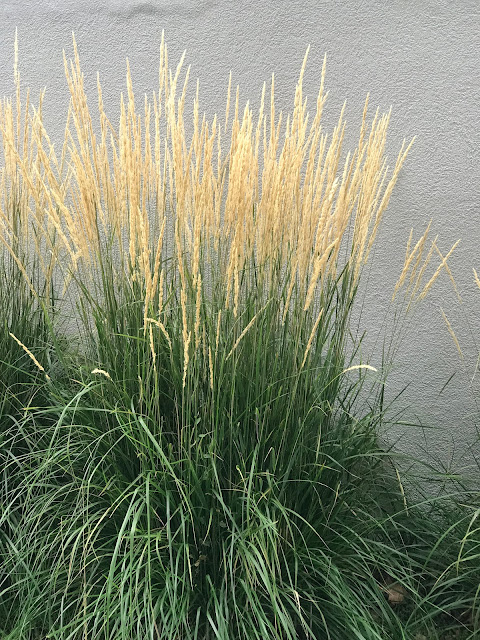
If you’re interested in how native plants can brighten up your new garden design with long-lasting color and cater to pollinators, take a look at inspiring examples like the vibrant fall display of porcupine grass and zebra grass that blend beauty with low water needs.
Deep, Infrequent Watering Schedule for the First Year Only
One of the best irrigation strategies to slash water use by up to 70–90% is deep, infrequent watering—especially during the first year when your drought-tolerant native plants are establishing roots. Instead of daily shallow watering, focus on soaking the soil deeply but only 2–3 times per week. This encourages roots to grow deeper into the soil, making plants more resilient to drought and less dependent on supplemental watering down the line.
Here’s a simple approach to get started:
- Water early in the morning or late in the evening to reduce evaporation.
- Use a slow soak method—apply water gradually so it penetrates 6–12 inches deep.
- Avoid light watering that only wets the surface.
- After the first growing season, most plants will thrive on natural rainfall and minimal supplemental watering.
This deep watering technique supports healthier roots and overall stronger plants that can flourish in a low-water garden setting. For additional watering efficiency, consider combining this method with drip irrigation or olla pots to target the root zone directly.
In need of planting tips to help roots grow fast and deep? Check out our advice on how and when to plant to maximize root development and reduce water needs.
Irrigation Strategies That Can Drop Water Use by 70–90%: Drip Irrigation, Olla Pots, and Wicking Beds
When aiming for a pollinator-friendly garden with low water use, smart irrigation makes a huge difference. Drip irrigation delivers water slowly and directly to plant roots, cutting waste from evaporation and runoff. This targeted watering is perfect for drought-tolerant native plants for pollinators, helping them thrive without extra water.
Another traditional but effective method is using olla pots—unglazed clay pots buried near roots that slowly release water over time. They keep soil consistently moist while avoiding surface water loss, making them ideal for dry garden design ideas and xeriscape pollinator gardens.
Wicking beds are self-watering containers or raised beds with a water reservoir at the base that “wick” moisture up to the plant roots. They minimize water use by reducing evaporation and watering frequency—great for gardeners looking for low-maintenance pollinator gardens that still stay lush.
Together, these water-smart practices can reduce your irrigation needs by up to 90%, helping your garden stay beautiful and sustainable with minimal watering. If you want to learn more about managing water efficiently throughout the seasons, check out our guide on how to know when to water your garden.
Irrigation Strategies That Can Drop Water Use by 70–90%
Rainwater Harvesting and Greywater Basics
Using rainwater and greywater is a smart way to cut your garden’s water use by up to 90%. Here’s how to get started:
-
Rainwater Harvesting:
Collect rain from your roof with gutters and store it in barrels or tanks. This water is natural and free, perfect for watering drought-tolerant native plants for pollinators. Just make sure your containers have screens to keep bugs out.
-
Greywater Systems:
Greywater comes from sinks, showers, and washing machines (not toilets). With simple plumbing tweaks, you can divert this lightly used water to your garden. Use it on non-edible plants, like your bee-friendly plants that don’t need drinking-quality water.
- Benefits:
- Reduces reliance on municipal water
- Keeps water costs down
- Provides a steady supply during dry spells
- Supports a sustainable landscaping for pollinators
- Tips:
- Check local rules before installing greywater systems.
- Use drip irrigation or soaker hoses fed by rainwater or greywater to minimize evaporation.
- Combine these systems with mulch and drought-tolerant plants for best results.
By using rainwater harvesting and greywater basics, you can easily create a rainwise pollinator habitat that’s both low-maintenance and water-wise.
Year-Round Maintenance: Pruning Rules for Natives
When it comes to watering-smart, pollinator-friendly gardens, native plants are low-maintenance—but pruning them right helps keep them healthy and thriving. Here’s what I stick to:
- Prune sparingly: Most native plants don’t need heavy pruning. Light trimming after flowering is usually enough.
- Time it right: Avoid pruning in late fall or winter, when plants rest. Early spring or late summer is best.
- Leave seed heads and stems: They provide food and shelter for overwintering pollinators like bees and butterflies.
- Remove dead or damaged growth only: This helps the plant focus energy on new growth without disturbing habitat.
- Avoid shearing into unnatural shapes: Native plants grow naturally in certain forms. Keep their shapes to encourage healthy blooms and support pollinators.
Follow these simple pruning rules, and you’ll save water, keep your garden buzzing, and cut down on time spent watering and fussing.
Leave Leaves & Stems for Overwintering Pollinators
One easy way to support pollinators year-round is to leave some leaves and plant stems standing through the winter. These natural materials provide shelter and nesting sites for bees, butterflies, and other beneficial insects when food is scarce and temperatures drop.
Why this matters:
- Hollow stems become homes for solitary bees.
- Leaf litter offers warmth and protection for overwintering insects.
- Dead plant material helps maintain a healthy garden ecosystem with minimal effort.
Tips for winter care:
- Avoid cutting everything back in late fall—leave some stems and leaves intact.
- Only remove dead or diseased parts after pollinators emerge in spring.
- Use natural mulch to keep the soil insulated but don’t overdo it, so insects can move freely.
By keeping this simple habit, your pollinator-friendly garden remains a safe haven even in the cold months, all while saving water and cutting down maintenance time.
Weed Control Without Chemicals or Excess Water
Keeping weeds in check is key for a low-maintenance, water-wise pollinator garden. Avoid using chemicals, as they can harm beneficial insects like bees and butterflies. Instead, try these simple, eco-friendly methods that save water:
- Mulching: Use organic mulch like shredded leaves or bark to block weed growth and keep soil moist. This reduces the need for watering and starves weeds of sunlight.
- Hand Weeding: Regularly pull weeds by hand, especially before they flower and spread seeds. It’s easy to do and water-free.
- Solarization: On sunny days, cover bare spots with clear plastic to heat the soil and kill weed seeds naturally without any chemicals or water.
- Dense Planting: Fill your garden with tightly spaced native plants. This crowds out weeds and reduces open soil where weeds like to grow.
- Use Groundcovers: Low-water groundcovers help shade the soil and prevent weeds from taking hold.
These strategies protect your pollinators, reduce water use, and keep weeds under control with minimal effort year-round.
Adding Essential Habitat Features: Bee Hotels, Brush Piles, and Bare Ground Patches
Creating habitat features is key for a thriving, low-water pollinator garden. These spots provide shelter, nesting, and breeding areas for native bees and other beneficial insects.
Bee Hotels
- Purpose: Shelter solitary bees like mason and leafcutter bees.
- How to: Use wooden blocks with holes, bamboo bundles, or purchased bee hotels.
- Placement: Face them southeast in a sunny, dry spot, 3–5 feet high.
- Maintenance: Clean or replace nesting materials yearly to prevent disease.
Brush Piles
- Purpose: Offer cover for pollinators and other helpful wildlife such as birds and lizards.
- How to: Stack twigs, branches, and leaves loosely in a quiet corner.
- Benefits: Shelter in winter and heat protection in summer.
Bare Ground Patches
- Purpose: Many ground-nesting bees need bare, dry soil to dig nests.
- How to: Leave small, sunny spots with minimal mulch or vegetation.
- Tips: Avoid compacted or overly shady areas for best results.
| Habitat Feature | Benefits | How to Create | Key Tips |
|---|---|---|---|
| Bee Hotels | Nesting sites for solitary bees | Wooden blocks + holes, bamboo bundles | Face southeast, 3–5 ft high |
| Brush Piles | Shelter for insects, birds | Stack twigs & branches loosely | Place in quiet, shaded area |
| Bare Ground | Nesting for ground bees | Expose dry soil patches | Sunny, loose soil, no mulch |
Adding these features supports a healthy pollinator population without using extra water. It’s a simple way to boost biodiversity and keep your garden buzzing.
Shallow Water Sources with Landing Stones
Pollinators need water, but it’s important to offer it in a safe, easy-to-reach way. Shallow water sources with landing stones provide just that—hydration without risk.
Why Shallow Water Matters
- Prevents drowning of tiny pollinators like bees and butterflies
- Keeps water cool and accessible during hot, dry days
- Encourages frequent visits by pollinators, boosting garden activity
How to Set It Up
| Step | Tip | Details |
|---|---|---|
| 1 | Choose a shallow dish | Use a saucer, shallow bowl, or a low birdbath |
| 2 | Add landing stones | Place small flat rocks or pebbles inside the water |
| 3 | Keep it clean | Change water every 2–3 days to avoid mosquitoes |
| 4 | Position wisely | Put near flowers but in partial shade to reduce evaporation |
Bonus Ideas
- Add sand or soil patches near water for ground-nesting bees
- Use a drip system or slow trickle to keep water fresh naturally
Including shallow water with landing stones supports a thriving, low-water pollinator garden, enhancing habitat with minimal effort.
Birdbath Alternatives That Hummingbirds Love
Hummingbirds need water, but traditional birdbaths can be tricky—they often splash too much or dry out quickly. Here are easy, low-water options to keep hummingbirds coming back without wasting water:
| Alternative | Why It Works | Tips |
|---|---|---|
| Shallow Dishes | Perfect for sipping, less splash | Keep water level low, change often |
| Misting Stations | Mimics natural dew and rain | Use a fine mist, set timer for morning |
| Drip Fountains | Gentle dripping water attracts birds | Place near flowers for easy access |
| Wet Sponges | Retain moisture, safe landing spots | Soak daily, place on flat stones |
| Pebble Basins | Small water pools around pebbles | Combine with native plantings for shade |
Key Points:
- Keep water fresh to avoid algae or mosquitoes.
- Place near shrubs or flowers to offer cover and easy landing.
- Use rainwater or graywater where possible to save potable water.
- Avoid deep bowls—hummingbirds prefer shallow, calm water.
These birdbath alternatives fit right into a water-wise pollinator garden, offering hydration with minimal water use. Plus, they double as beautiful spots that attract hummingbirds and other small pollinators year-round.
Common Mistakes That Waste Water & Harm Pollinators: Planting Non-Natives Advertised as “Drought Tolerant”
One major slip I see is choosing plants labeled as “drought tolerant” that aren’t native. These plants might survive dry spells, but they often don’t support local pollinators like native bees, butterflies, and hummingbirds. Worse, some non-natives still need more water than you think, leading to wasted resources.
Why avoid non-native “drought tolerant” plants:
- Poor pollinator support: Non-natives may not provide nectar or pollen local pollinators rely on.
- Hidden water needs: They sometimes need extra watering to thrive, defeating your low-water goals.
- Potential invasiveness: Some can spread aggressively and crowd out native plants, harming the ecosystem.
If you want a truly water-wise pollinator garden, stick to drought-tolerant native plants for pollinators. These are adapted to your local climate and soil, so they rarely need watering beyond natural rainfall. Plus, they create a thriving habitat for native bees, butterflies like monarchs, and hummingbirds.
Bottom line: Skip non-native “drought tolerant” plants. Choose native species that keep your garden low-maintenance, water-smart, and pollinator-friendly.
Common Mistakes That Waste Water & Harm Pollinators: Over-mulching with Dyed Bark
Using dyed bark mulch might look nice, but it can cause real problems for your water-wise pollinator garden. Here’s why over-mulching with dyed bark is a mistake:
- Blocks water and air flow: Thick layers of dyed bark can prevent rain and irrigation from reaching the soil, making plants thirsty.
- Harms soil life: Many dyed mulches contain chemicals or dyes that can upset beneficial microbes and insects, which are vital for healthy soil and pollinator habitat.
- Inhibits native plants: Native drought-tolerant plants often prefer lighter, natural mulches like shredded leaves or wood chips that break down slowly without suffocating roots.
- Wastes resources: Because water can’t seep through well, you end up watering more to compensate, defeating the purpose of a low-water garden.
Better mulching tips: Use natural, untreated mulches like shredded hardwood, leaf litter, or pine needles. Keep mulch layers thin—about 2 to 3 inches—and avoid piling it against plant stems to help retain moisture without blocking air or water.
By skipping dyed bark mulch, you protect your pollinators and keep water use low, creating a healthier, sustainable garden.
Common Mistakes That Waste Water & Harm Pollinators: Using Pesticides (Even “Organic” Ones)
Using pesticides can seriously harm pollinators, even if they’re labeled “organic” or “natural.” Many of these products still contain chemicals that disrupt bees, butterflies, and other beneficial insects. Plus, pesticides can upset the balance of your low-maintenance pollinator garden, leading to weaker plants that need more water.
Here’s why you should avoid them:
- Pollinators are very sensitive to chemicals, causing disorientation, reduced reproduction, or death.
- Pesticides don’t just target pests; they harm helpful insects that keep your garden healthy.
- Using pesticides can reduce natural pest control, forcing you to rely on more water or treatments.
- Organic doesn’t always mean safe for pollinators—read labels carefully and research ingredients.
Instead, focus on natural pest management:
- Encourage beneficial insects like ladybugs and lacewings.
- Use physical barriers such as row covers.
- Practice good garden hygiene by removing diseased or infested plants promptly.
Avoiding pesticides supports a thriving, drought-tolerant native plant garden that truly benefits pollinators without wasting water.
Budget Breakdown & Cost-Saving Tips: Seed vs. Gallon Pots vs. Plugs
When creating a drought-tolerant native pollinator garden, the way you start your plants plays a big role in your budget.
- Seeds are the cheapest option. You get a lot for your money, but it takes more time and patience. Seeds need careful watering and protection early on, but they’re perfect if you want a low-cost, large-scale rainwise pollinator habitat.
- Plugs are small young plants, usually started from seeds in a controlled environment. They cost more than seeds but establish faster and have a better survival rate. Plugs are a smart middle ground if you want to save water and time without breaking the bank.
- Gallon pots are full-size plants ready to go in your garden. They are the most expensive but offer instant impact and are less risky to plant. This option suits gardeners who want quick results with drought-tolerant native plants for bees and butterflies.
Quick tip: Start new beds with plugs or seeds to cut costs, then fill gaps with gallon pots for a balanced budget and a healthy, low-maintenance pollinator garden.
Choosing between seeds, plugs, or gallon pots depends on your timeline, budget, and how hands-on you want to be.
Free Plants from Local Native Plant Sales and Facebook Groups
One of the easiest ways to build a drought-tolerant native plant pollinator garden without breaking the bank is to tap into local native plant sales and community groups online. Many regions host annual or seasonal sales where you can score native pollinator-friendly plants at a fraction of nursery prices. These events often feature plants already suited for your climate, reducing water needs right from the start.
Facebook groups and gardening forums are another great resource. Search for local native plant swap groups or community garden hubs—members frequently give away or trade seedlings, cuttings, and even mature plants that attract bees, butterflies, and hummingbirds. These peer-to-peer exchanges not only save money but also help you find proven performers for your exact area.
Quick tips for snagging free plants:
- Join local native plant societies and Facebook plant swap groups.
- Attend community garden events or plant fairs.
- Ask neighbors if they’re dividing or thinning their pollinator plants.
- Be ready to dig or pot plants promptly to keep them healthy.
By leveraging these local resources, you can establish a beautiful, water-wise pollinator garden with minimal upfront costs, while supporting native biodiversity near you.
Budget Breakdown & Cost-Saving Tips: Typical 500 sq ft Conversion Cost Range
Converting a 500 sq ft area into a low-water, pollinator-friendly garden can fit a range of budgets depending on your approach. Here’s a rough idea to help you plan:
- DIY Seed Planting: $100–$300
Buying native seeds in bulk is the most budget-friendly option. Seeds are cheap, but it takes patience and time for plants to establish. - Starter Plants (plugs or small pots): $300–$800
Using young plants speeds up growth and bloom times. Plugs or gallon pots generally cost more but save you months. - Professional Installation: $1,500–$3,500+
Hiring a landscaper to design and install can help with soil prep, irrigation setup, and choosing the right plants, but it’s the priciest route.
Additional costs to consider:
- Soil amendments like compost and mulch
- Irrigation tools like drip systems or rain barrels
- Habitat features such as bee hotels or brush piles
Tips to save money:
- Join local native plant sales or swaps—often free or low-cost plants
- Start small; convert in phases to spread out expenses
- Use recycled materials for garden structures and mulching
With some planning, capturing rebates and focusing on drought-tolerant native plants can keep your water-wise pollinator garden affordable without cutting corners.
Before & After Case Studies: California, Arizona, Texas
Seeing water-wise pollinator gardens in action really helps. Here are three real-life examples from different U.S. regions to inspire your own low-water, pollinator-friendly space.
California Coastal Garden
- Before: A thirsty lawn with a few non-native shrubs, needing frequent watering and little wildlife activity.
- After: The lawn was replaced with drought-tolerant native plants like California poppy and black sage. Mulch and drip irrigation cut water use by 80%. Native bees and butterflies showed up within the first season, and the garden now thrives almost without extra watering.
Arizona Desert Garden
- Before: Sparse desert scrub with invasive plants and no pollinators visiting. Constant watering was needed to keep any greenery alive.
- After: Using Southwest desert pollinator garden principles, they planted native agave, desert milkweed, and penstemon. Olla pots help deliver deep water to roots infrequently. Hummingbirds and native bees are now frequent visitors, and the garden hardly relies on supplemental irrigation.
Texas Hill Country Garden
- Before: A traditional lawn with ornamental plants that required daily watering in summer. Pollinators were scarce.
- After: Turf removal made room for native wildflowers like black-eyed Susan and bluebonnet. Native bunch grasses and pollinator “hotels” support bees and butterflies. Rainwater harvesting supplies seasonal irrigation. Water use dropped by nearly 75%, while native monarch butterflies now thrive.
Each garden shows how combining native plants, smart watering, and habitat features creates vibrant pollinator havens that use minimal water. These projects prove xeriscape pollinator gardens can work well in various climates and soils, turning your space into a sustainable, low-maintenance wildlife refuge.
Regional Resources & Further Reading
For anyone serious about creating a drought-tolerant native plant garden that supports pollinators, tapping into trusted resources is a smart move. Here are some top places to start:
- Native Plant Societies: Local groups offer region-specific advice, plant sales, and events to connect you with fellow gardeners focused on native, water-wise plants.
- Xerces Society: Their fact sheets and guides are packed with practical info on native plants, pollinator habitat, and sustainable landscaping techniques.
- Lady Bird Johnson Wildflower Center: This great resource provides extensive databases on native plants across the U.S., including bloom times, water needs, and pollinator benefits.
- Audubon Native Plant Database: Perfect for finding the best native plants for birds and pollinators in your area, complete with planting tips and habitat details.
Using these resources will help you stay on track with low-maintenance, water-smart pollinator gardening backed by expert knowledge.