A common mistake is treating zucchini like a dry vegetable. It is mostly water, so grated zucchini can flood the batter, soften the crust, and leave the center heavy. The fix is simple: salt the zucchini, squeeze it hard, use a modest amount of binder, and fry small patties in properly heated oil. This method gives you crisp edges, tender centers, and a cool garlic yogurt sauce that suits peak-season zucchini.
Why do zucchini fritters turn soggy?
Verdict: Soggy fritters usually come from excess water, a loose batter, or a pan that never gets hot enough. The zucchini itself is not the problem. The handling is.
Salt the zucchini before mixing
Grate 1 pound of zucchini on the large holes of a box grater. Toss it with 1 teaspoon of fine salt and leave it in a colander for 10 minutes. Salt pulls water from the grated flesh. After that rest, gather the zucchini in a clean kitchen towel and twist until the liquid stops running. You should remove at least 1 cup of greenish liquid from a pound of zucchini. If the shreds still feel wet, squeeze them again.
Do not rinse the salted zucchini. Rinsing puts water back into the vegetable and removes the seasoning you just added. The goal is not to dry the zucchini completely. The shreds should remain flexible and slightly damp, but they should not drip when you hold a handful over the sink.
Keep the batter firm and loose at the same time
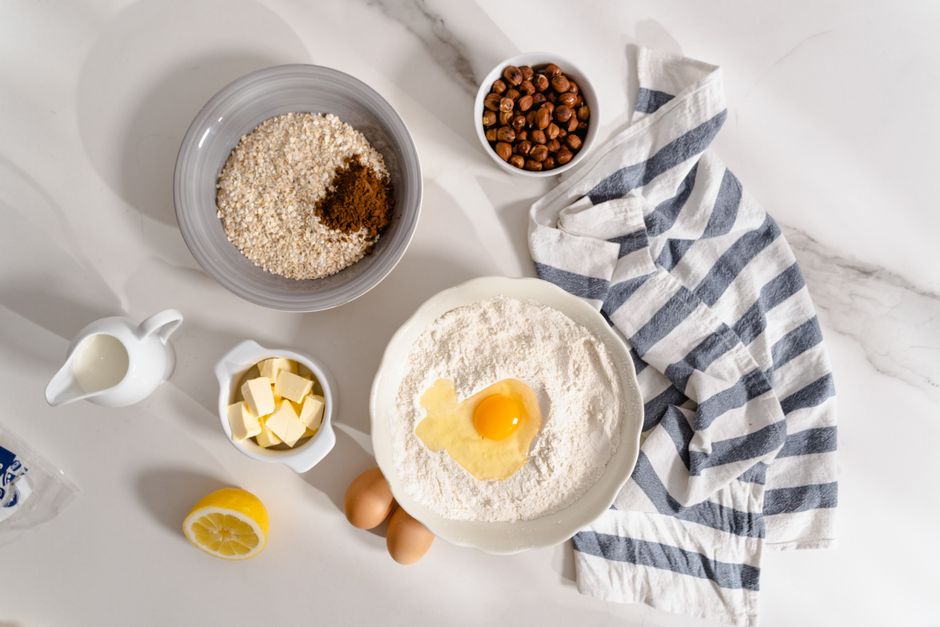
For 1 pound of squeezed zucchini, use 1 large egg, 60 grams of all-purpose flour, 30 grams of crumbled feta, 2 tablespoons of chopped dill, 2 tablespoons of chopped parsley, 1 minced garlic clove, and ¼ teaspoon of black pepper. Stir only until the flour disappears. A thick, scoopable mixture is ready. A batter that pours like pancake batter needs another tablespoon of flour, but add flour in small amounts so the fritters do not turn dense.
Oil temperature matters just as much. At about 175°C, the outside sets quickly and protects the center. Below 165°C, the fritter absorbs oil while it waits for the crust to form. Above 190°C, fresh herbs and garlic can darken before the zucchini cooks. A steady medium heat gives the best balance.
How do you prepare zucchini for crisp fritters?
Use this five-step preparation sequence:
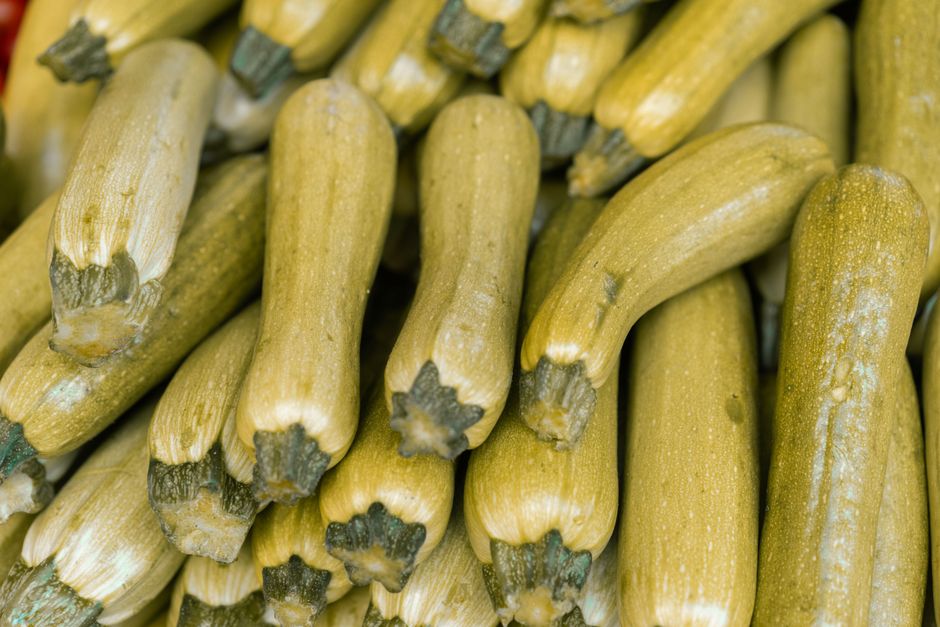
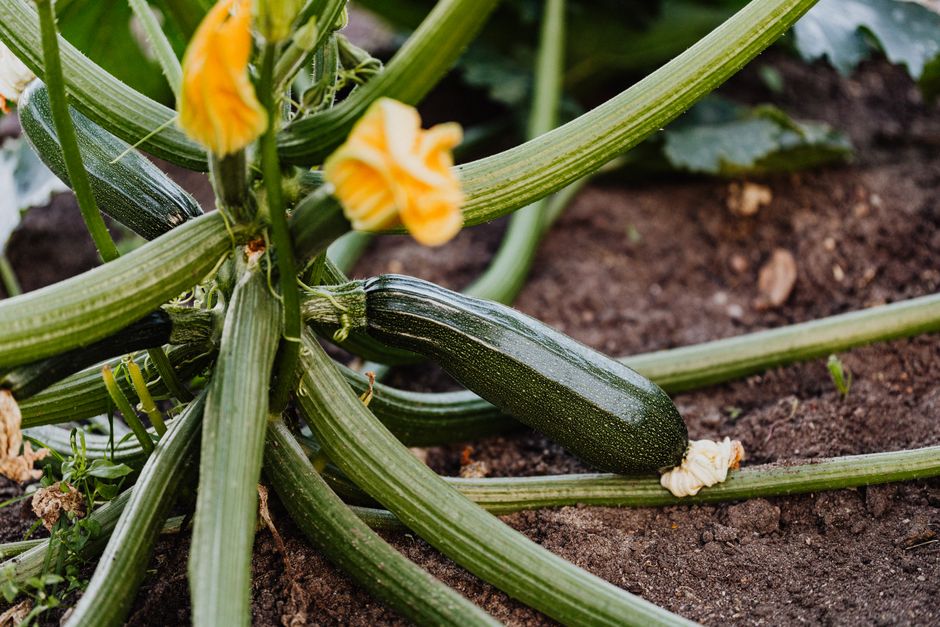
- Choose firm zucchini with smooth skin. Small or medium zucchini usually contain less watery pulp than oversized garden zucchini.
- Trim both ends, but do not peel the zucchini. The skin adds color, texture, and a little structure to the shreds.
- Grate the zucchini with long strokes. Short, fine shreds release water quickly and can make a paste.
- Salt, rest, and squeeze the zucchini before adding egg or flour. This is the step that has the biggest effect on texture.
- Mix the batter immediately after squeezing and fry within 10 minutes. The shreds will begin releasing more liquid if they sit in the bowl.
Choose herbs that can handle the heat
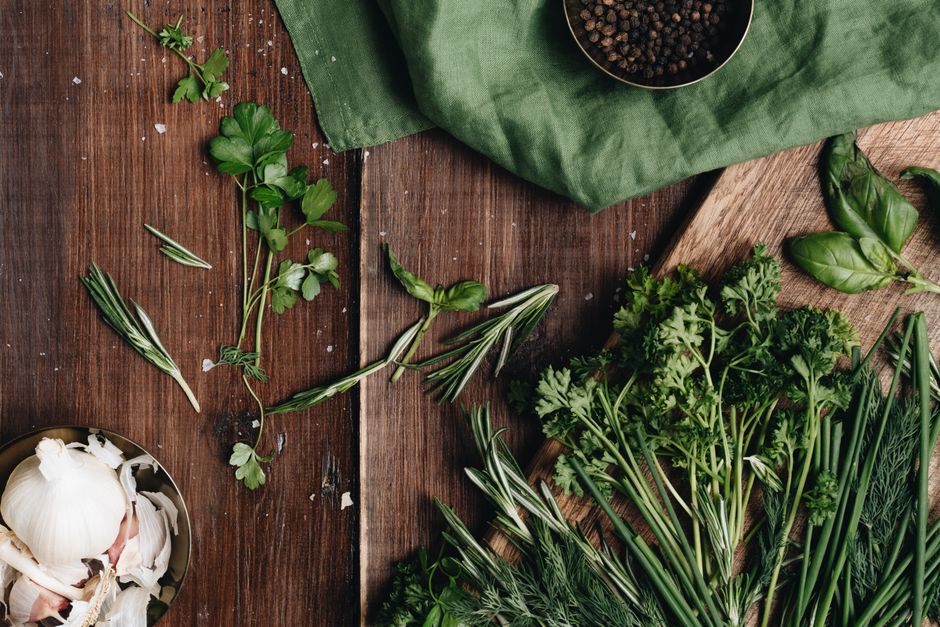
Dill and parsley are the safest pair for a late-summer batch. Use basil for a sweeter, softer flavor, but add it in smaller amounts because its leaves bruise easily. Chives work well with the garlic yogurt sauce and add a mild onion note. Avoid adding a large handful of wet herbs straight from the garden. Rinse them, spin or pat them dry, then chop them. Extra surface water can loosen the batter just as quickly as poorly drained zucchini.
Shape smaller fritters for better cooking
Use about 2 tablespoons of batter per fritter and flatten each one to roughly 7 centimeters wide and 1 centimeter thick. Thick patties brown before the center sets. Very thin patties can dry out and lose their soft middle. Keep the edges irregular rather than pressing them smooth; those loose shreds become the crispest part of the fritter.
Which pan and tools are worth using for zucchini fritters?
My pick is a heavy 25-centimeter skillet with a broad, flat cooking surface. It holds heat when you add cold batter and gives the fritters room to brown instead of steam. You do not need specialized equipment: a coarse box grater, a thin flexible spatula, and a wire rack set over a sheet pan cover everything else.
Use a skillet that keeps its temperature
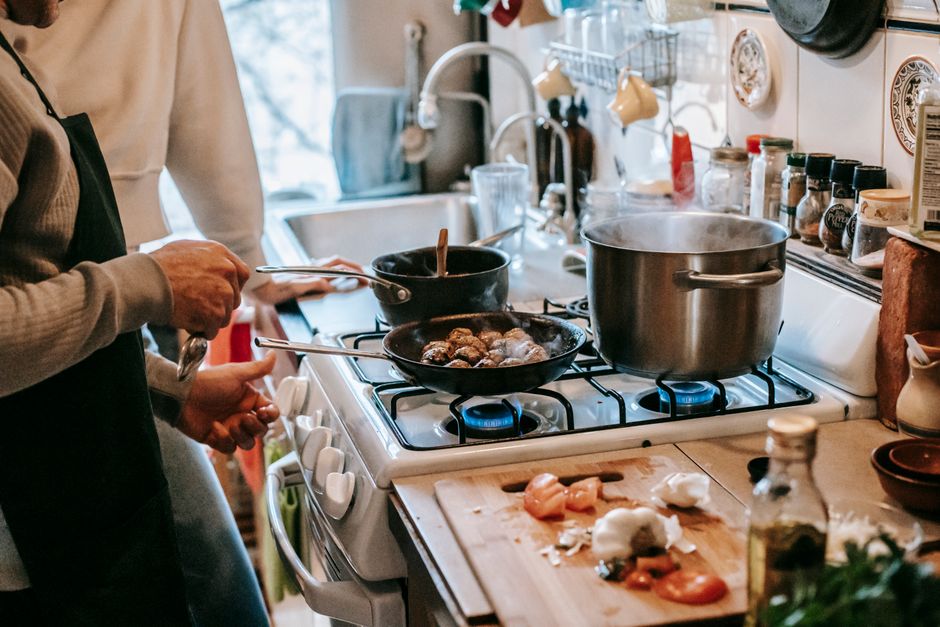
Cast iron and thick stainless steel both work. Nonstick is easier for beginners, especially when using less oil, but a light pan can cool sharply after the first few fritters. Preheat the pan for 3 to 4 minutes over medium heat, then add 2 tablespoons of neutral oil. Test with one small spoonful of batter. It should sizzle at once without smoking.
Drain fritters on a rack, not a flat plate
A flat plate traps steam under the hot fritters and softens the crust. Set a wire rack over a sheet pan, then move each cooked fritter onto the rack. If you have no rack, use a plate lined with paper towels and serve the fritters quickly. Do not stack them. The weight and trapped steam will erase the crisp edge you worked to create.
How do you fry zucchini fritters without burning the herbs?
Cook in small batches and turn only once. Crowding the skillet lowers the oil temperature, so the fritters absorb oil before they brown. Four 7-centimeter fritters usually fit in a 25-centimeter pan with enough space for a spatula.
- Heat 2 tablespoons of olive oil or avocado oil over medium heat for 3 to 4 minutes.
- Drop in 2 tablespoons of batter per fritter and flatten gently.
- Cook for 3 to 4 minutes on the first side. The underside should be deep golden and the edges should look set.
- Turn with a thin spatula and cook for 2 to 3 minutes more.
- Move the fritters to a rack and season with a small pinch of salt while hot.
- Let the pan recover for about 60 seconds before adding the next batch.
Watch the color, not only the clock
Fresh herbs vary in moisture, and different pans hold heat at different rates. Time is a guide, but the surface gives the better signal. A pale fritter needs more time. A dark brown edge with a wet-looking center means the heat is too high. Lower the burner slightly and give the next batch an extra minute per side.
Keep finished fritters warm without steaming them
If you are serving several people, place the wire rack on a sheet pan in a 120°C oven. Keep the fritters there for up to 20 minutes. Avoid covering them with foil. Foil traps steam and turns the crust soft. Reheating in a toaster oven at 190°C for 4 to 5 minutes restores more texture than microwaving, which makes the zucchini rubbery.
How do you make garlic yogurt sauce for zucchini fritters?
The best sauce is sharp, cool, and thick enough to sit on the fritter. Greek yogurt gives the sauce body, lemon adds lift, and grated garlic supplies heat without needing a long ingredient list.
What is the right ratio of yogurt, garlic, and lemon?
Stir together 180 grams of plain Greek yogurt, 1 small garlic clove finely grated, 1 tablespoon of lemon juice, 1 tablespoon of extra-virgin olive oil, ¼ teaspoon of salt, and 1 tablespoon of chopped dill or mint. Let the sauce rest for 10 minutes. That short pause softens the raw garlic and gives the salt time to season the yogurt.
If the sauce tastes flat, add lemon before adding more salt. If it tastes harsh, stir in another tablespoon of yogurt. Garlic strength varies widely, so one small clove is a safer starting point than two large cloves. The finished sauce should taste fresh and savory, not like raw garlic paste.
Can you make the sauce ahead?
Yes. Refrigerate it in a covered container for up to 2 days. The sauce will thicken as it chills, so loosen it with 1 teaspoon of water before serving if needed. Keep the sauce cold while the fritters cook. The contrast between hot crisp zucchini and chilled yogurt is part of the dish’s appeal.
What should you serve with zucchini fritters?
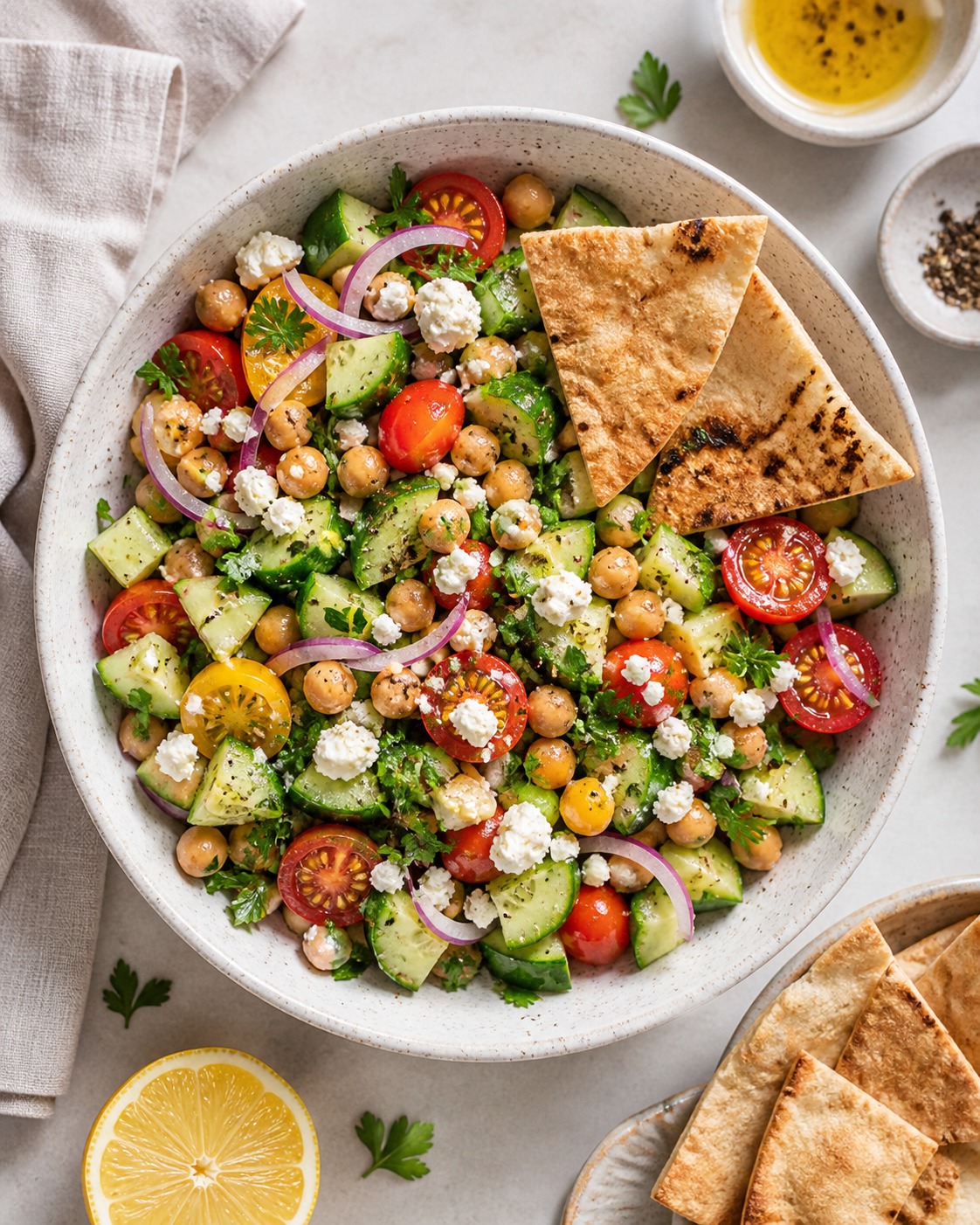
Serve the fritters as a light main course with a sharp salad, not as a heavy side dish. Their soft center already contains egg, flour, and feta, so adding another rich component can make the plate feel dull. A tomato and cucumber salad with red-wine vinegar cuts through the oil. Warm flatbread makes the meal more filling. A handful of dressed greens adds bitterness and keeps the late-summer flavors clear.
Best pairings for a complete meal
- For lunch: four fritters per person, garlic yogurt sauce, sliced tomatoes, and cucumber.
- For dinner: three fritters per person, a lemony green salad, and grilled corn.
- For a party: one small fritter per guest, sauce on the side, and extra herbs scattered over the platter.
When should you skip frying?
Choose oven baking when you need to cook a large batch at once or want to reduce the oil. Brush flattened fritters with oil and bake them on a preheated sheet pan at 220°C for about 12 minutes per side. They will be less lacy and crisp than skillet fritters, but the method is easier for a crowd. Choose pan-frying when texture matters most and you can cook in batches. Either way, the single most important step is to squeeze the salted zucchini hard before adding the batter ingredients.