Street vendors in Mexico City sell over 1,000 tacos per minute during peak hours, according to a 2019 study by the Mexican Institute of Street Food. That is not a typo. The same study found that 73% of Mexicans eat street food at least twice a week. These recipes survived conquest, modernization, and globalization. They are not trendy. They are foundational.
This list breaks down 10 essential Mexican street food recipes you can actually make at home. No specialty equipment required. No trips to a Mexican grocery store for obscure ingredients. Each recipe includes the exact technique that separates a good version from a street-cart-quality version.
1. Tacos al Pastor: The Pineapple-Marinated Pork Taco
Tacos al pastor is the most-ordered street food in Mexico City. The original was created by Lebanese immigrants in Puebla who adapted shawarma to local ingredients. The result is pork marinated in achiote, guajillo chiles, and pineapple, then cooked on a vertical spit called a trompo.
At home, you do not need a trompo. You need a cast-iron skillet or grill pan.
The Marinade (Adobo de Achiote)
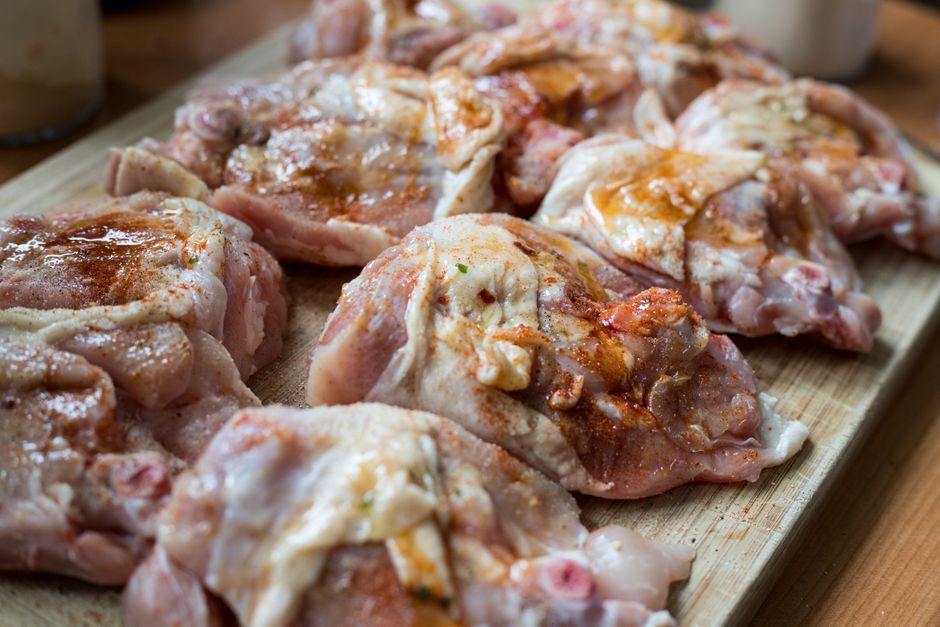
Blend 3 dried guajillo chiles (stemmed, seeded, soaked in hot water for 10 minutes), 2 tablespoons achiote paste, 4 cloves garlic, 1 teaspoon cumin, 1 teaspoon dried oregano, 1/2 cup pineapple juice, 2 tablespoons white vinegar, and salt. Marinate 1 pound of thinly sliced pork shoulder or pork loin for at least 2 hours, ideally overnight.
The Cooking Technique
Sear the marinated pork in batches over high heat. Do not crowd the pan. Each piece should get direct contact with the hot surface. The char is not optional—it is the flavor. After searing, dice the meat into small cubes and return to the pan with a splash of pineapple juice. Cook another 2 minutes until the juice reduces to a glaze.
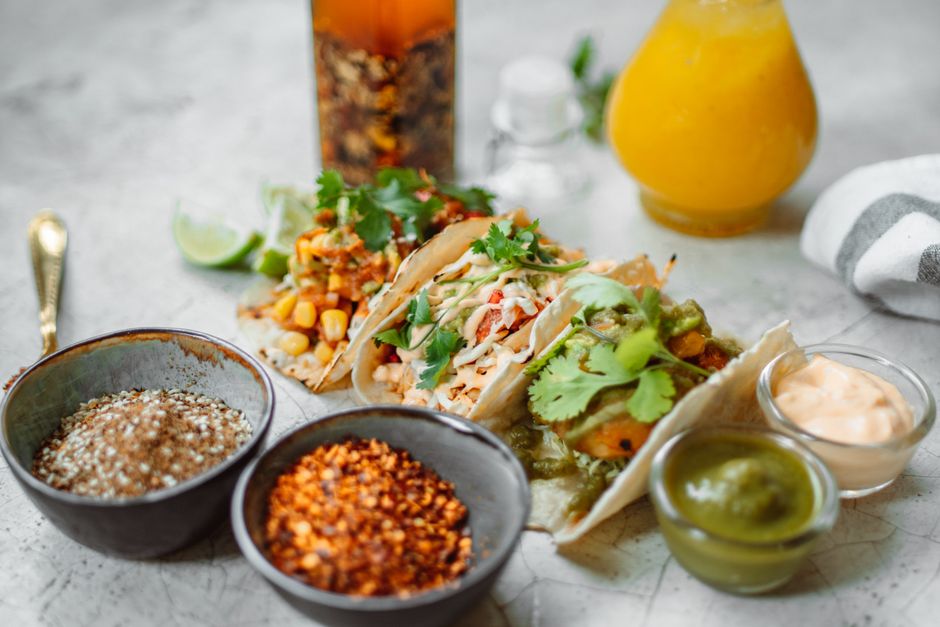
Serve on small corn tortillas with diced white onion, chopped cilantro, and a wedge of lime. Add grilled pineapple chunks on top. That is the complete experience.
2. Elote: Mexican Street Corn
Elote is grilled corn on the cob coated in crema, mayonnaise, cotija cheese, chili powder, and lime. It is sold from carts on every corner in Mexico City. The price averages 25-35 pesos per ear (about $1.50 USD).
The common failure at home: people boil the corn instead of grilling it. Boiled corn releases too much moisture. The crema slides off. You get a wet, sad elote.
Grill the corn directly over a flame or on a grill pan. Turn every 2 minutes until the kernels develop char marks on all sides. Total time: 8-10 minutes.
While hot, brush with a mixture of 2 tablespoons mayonnaise and 2 tablespoons Mexican crema (or sour cream thinned with a splash of milk). Roll in crumbled cotija cheese. Sprinkle with chili powder (Tajín is the standard brand). Squeeze lime juice over everything.
One specific tip: Use a pastry brush to apply the crema mixture. Drizzling it from a spoon leaves bare spots.
3. Sopes: Thick Corn Cakes with Toppings
Sopes are thick, fried masa disks with pinched edges that hold toppings like refried beans, shredded meat, lettuce, crema, and salsa. They are less popular than tacos outside Mexico but equally essential.
The masa must be masa harina — Maseca brand is the standard. Mix 1 cup masa harina with 2/3 cup warm water and 1/4 teaspoon salt. Knead until smooth. Form into balls, then press into disks about 1/4 inch thick. Cook on a dry comal or skillet for 2 minutes per side. The key step: while still hot, pinch up the edges to form a shallow rim.
Fry each sope in about 1/2 inch of vegetable oil for 1 minute per side. Drain on paper towels. The rim keeps the toppings contained.
Top with warm refried beans, shredded chicken or carnitas, crumbled queso fresco, shredded lettuce, crema, and salsa verde. The contrast between the crisp fried masa and the soft beans is the whole point.
4. Tamales: Steamed Masa Packets
Tamales are masa dough filled with meat, cheese, or vegetables, wrapped in corn husks, and steamed. They require technique, not expensive ingredients. The failure rate is high for first-timers because of one mistake: dry masa.
The Masa Dough
Beat 1 cup of lard (or vegetable shortening) with 1 teaspoon baking powder and 1/2 teaspoon salt until fluffy. This takes 3 minutes with an electric mixer. Then add 2 cups masa harina and 1 to 1 1/2 cups warm chicken broth alternately, mixing until the dough is the consistency of soft peanut butter. The test: drop a small ball of masa into a glass of cold water. If it floats, the dough is ready. If it sinks, add more broth and beat again.
Assembly and Steaming
Soak 20 dried corn husks in hot water for 30 minutes. Spread 2 tablespoons of masa onto the center of each husk, leaving a 1-inch border. Add 1 tablespoon of filling (shredded pork in red chile sauce is classic). Fold the husk sides over the filling, then fold up the bottom. Steam upright in a tamale steamer for 45-60 minutes. The husk should peel away cleanly from the masa when done. If it sticks, steam another 10 minutes.
| Filling Type | Common Meat | Prep Time | Sauce Base |
|---|---|---|---|
| Red Tamales | Pork shoulder | 2 hours (braise) | Guajillo + ancho chiles |
| Green Tamales | Chicken thigh | 1 hour (poach) | Tomatillo + jalapeño |
| Sweet Tamales | None (raisins + cinnamon) | 30 minutes | Piloncillo syrup |
| Oaxaqueño Tamales | Chicken or pork | 2.5 hours | Mole negro |
Tamales freeze exceptionally well. Steam frozen tamales for 15 minutes directly from the freezer. Reheating in a microwave will turn them into rubber.
5. Quesadillas de Hongos: Mushroom Quesadillas
Mexico City street vendors sell quesadillas that look nothing like the American version. They use corn tortillas, not flour. They fold them around a filling and fry them on a comal. The cheese is Oaxaca or Chihuahua cheese—stringy, mild, and meltable.
The mushroom version is the standard vegetarian option. Sauté 8 ounces of sliced huitlacoche (corn fungus) or cremini mushrooms with 1 clove garlic and 1/4 cup diced white onion in butter until deeply browned. Season with salt and epazote (dried herb, available at Latin markets). Fill each corn tortilla with the mushroom mixture and a generous handful of shredded Oaxaca cheese. Fold and cook on a dry comal over medium heat for 2 minutes per side.
Do not overfill. The cheese will leak out and burn on the comal. Use 1/4 cup of filling max per quesadilla.
6. Churros: Fried Dough with Cinnamon Sugar
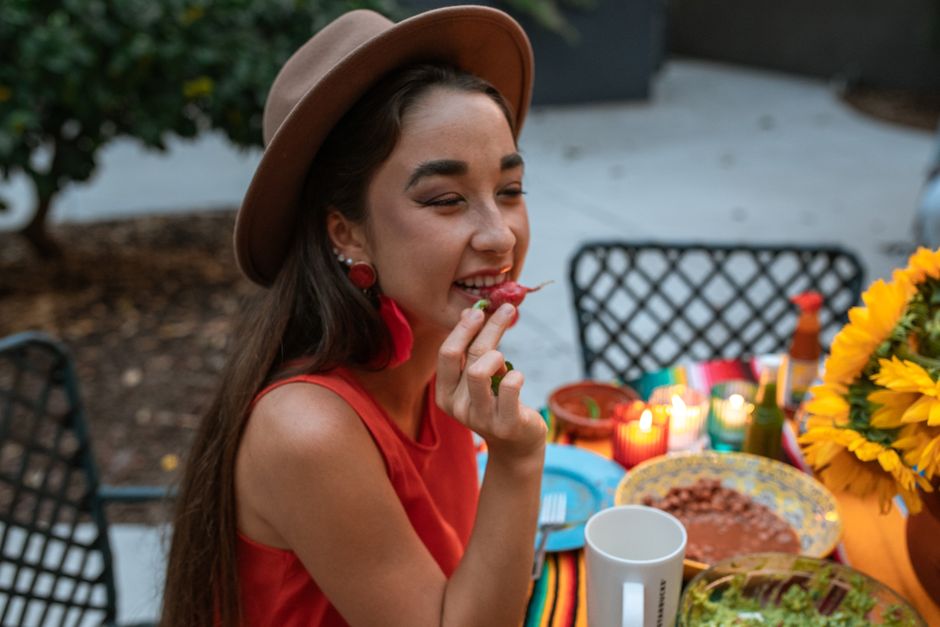
Churro carts are everywhere in Mexico. The dough is a simple pâte à choux—the same dough used for cream puffs and éclairs. The difference is the frying and the coating.
Boil 1 cup water, 1/2 cup unsalted butter, and 1/4 teaspoon salt. Add 1 cup all-purpose flour all at once. Stir vigorously until the dough forms a ball and pulls away from the sides of the pan. Remove from heat. Beat in 3 eggs one at a time until the dough is smooth and pipeable. Transfer to a piping bag fitted with a large star tip.
Pipe 6-inch strips of dough directly into 350°F oil. Fry 2-3 minutes per side until deep golden brown. Drain on paper towels for 30 seconds, then roll immediately in a mixture of 1/2 cup sugar and 1 tablespoon cinnamon. The coating must go on while the churro is hot, or the sugar will not stick.
7. Tostadas de Ceviche: Crispy Tostadas with Raw Fish
Ceviche tostadas are fresh, cold, and crunchy. The tostada itself is a fried or baked corn tortilla. The ceviche is raw fish cured in lime juice, not cooked.
Use only sushi-grade fish. Dice 1/2 pound of fresh red snapper or sea bass into 1/4-inch cubes. Marinate in 1/2 cup fresh lime juice for 15-20 minutes. The fish will turn opaque and firm. Drain off half the lime juice. Mix in 1/4 cup diced white onion, 1 diced serrano pepper, 1/4 cup chopped cilantro, 1 diced tomato, salt, and a splash of olive oil.
Toast corn tortillas in 350°F oil for 2 minutes per side until crispy. Drain. Top each tostada with a layer of refried beans, then ceviche, then sliced avocado, then a drizzle of crema. Serve immediately. The tostada will soften within 5 minutes.
8. Pambazos: Saucy, Fried Sandwiches
Pambazos are sandwiches made with pambazo bread—a soft, eggy roll similar to a brioche. The roll is dipped in a red guajillo chile sauce, then fried on a griddle. The filling is typically potatoes and chorizo.
Boil 2 potatoes until tender, then mash coarsely. Brown 1/2 pound Mexican chorizo (remove the casing) in a skillet. Add the mashed potatoes and cook together for 3 minutes. For the sauce, blend 4 soaked guajillo chiles with 1 clove garlic and 1/2 cup of the soaking water. Strain. Dip each pambazo roll in the sauce, then fry on a buttered griddle for 2 minutes per side. Split the roll, fill with the potato-chorizo mixture, shredded lettuce, crema, and crumbled queso fresco.
The sauce dip must be thin enough to coat but not soak the bread. If the bread falls apart, the sauce was too watery. Add 1 tablespoon of masa harina to thicken next time.
9. Agua Fresca de Jamaica: Hibiscus Flower Cooler
Agua fresca is not a recipe you need a stove for. It is a cold beverage made from fruit, flowers, or seeds blended with water and sugar. Jamaica (hibiscus) is the most popular version in Mexico.
Boil 1 cup dried hibiscus flowers in 4 cups water for 5 minutes. Remove from heat and steep for 20 minutes. Strain. Add 1/2 cup sugar (or to taste) and stir until dissolved. Add 4 cups cold water and the juice of 1 lime. Refrigerate until cold. Serve over ice.
The lime juice is not optional. It balances the tartness of the hibiscus and prevents the drink from tasting like sweet tea.
10. Tostilocos: Loaded Tostada Chips
Tostilocos are a street snack that starts with a bag of Tostitos chips. The vendor cuts open the bag, dumps in pickled pork rinds, cucumber, jícama, peanuts, hot sauce, lime, and tamarind candy. It is chaotic and brilliant.
Open a family-size bag of Tostitos. Add 1/2 cup diced cucumber, 1/2 cup diced jícama, 1/4 cup pickled pork rinds (chicharrones en vinagre), 1/4 cup roasted peanuts, a drizzle of Valentina hot sauce, a squeeze of lime, and a handful of tamarind candy straws (Pulparindo brand, cut into pieces). Close the bag, shake it, and eat directly from the bag with a fork.
This is not a dish that benefits from improvisation. The combination of salty, sour, spicy, and sweet is deliberate. Leave out one element and the balance breaks.